
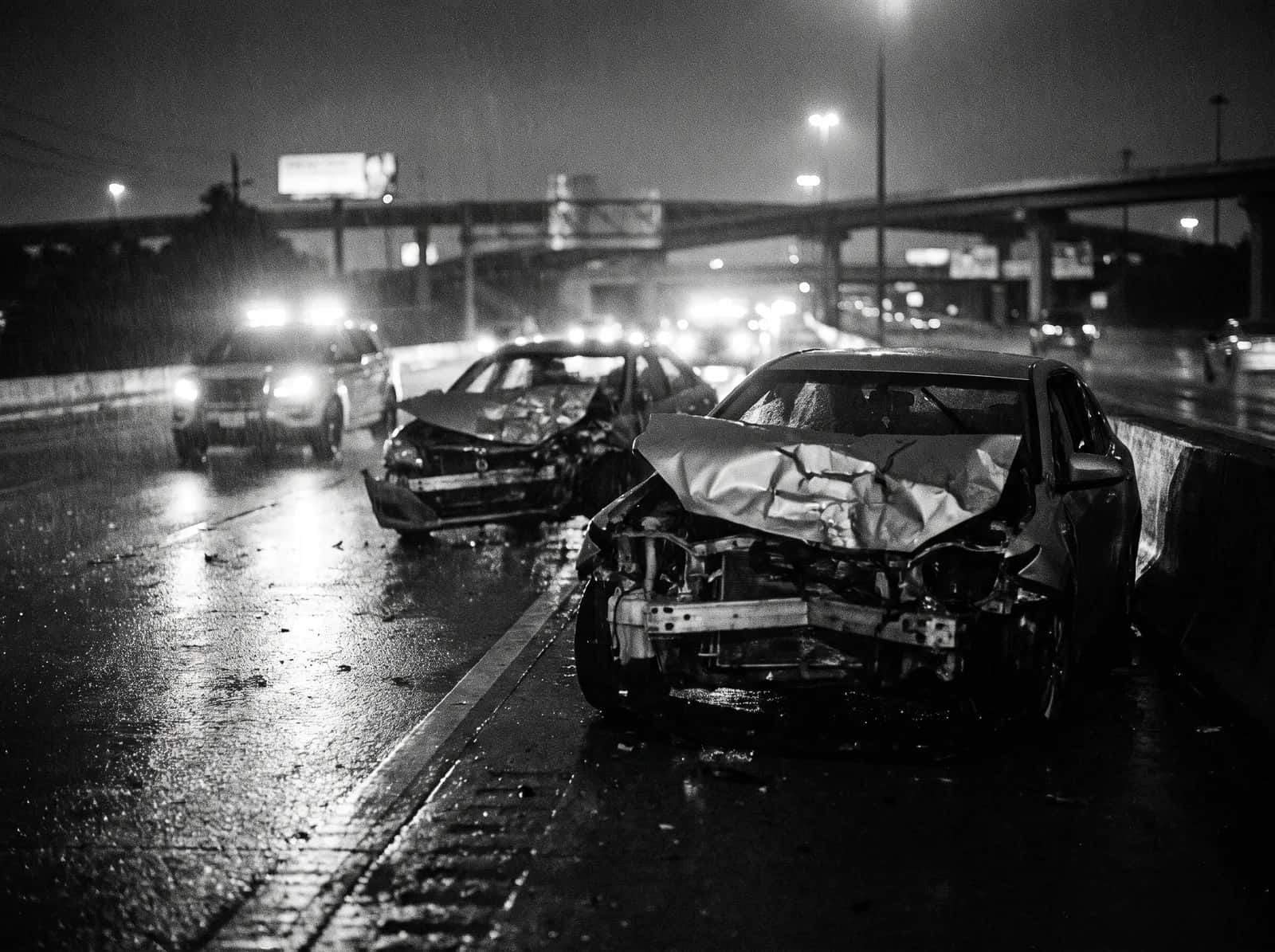

A Texas DPS trooper crash report (form CR-3) is bought through the TxDOT Crash Report Online Purchase System, not from DPS. TxDOT lists $6 for a regular copy and $8 for a certified copy, plus a minimal system surcharge and possible credit card fees. People directly concerned in the crash can get the full report. Everyone else gets a redacted copy.
DPS, Public Information Requests. Read DPS's own statement that a CR-3 comes from the TxDOT online system, and see how DPS takes other public information requests. Owsley Law Firm is a law firm, not the agency that writes or sells crash reports.
If a state trooper worked your crash, the report is a Texas Peace Officer's Crash Report, also called a CR-3. DPS says the Texas Department of Transportation (TxDOT) is the custodian of crash records for the State of Texas. So the report is not sold from a DPS counter.
This page covers the DPS side of the question: what DPS says about crash reports, which DPS routes exist for other records, who may get a full copy under Texas law, and what to do if the report is wrong. Fees and steps can change, so check the agency page before you pay.
How do I get a DPS accident report?
DPS sends you to the TxDOT Crash Report Online Purchase System. That is where a trooper's CR-3 is bought.
DPS's public information page says you may obtain a Texas Peace Officer's Crash Report (CR-3), regular or certified, from TxDOT's Crash Report Online Purchase System. TxDOT's own page says the same thing. TxDOT's purchase portal currently labels this report the CR-4.
DPS also says it only keeps records for crashes investigated by its own employees. Because the sale runs through TxDOT, start with the TxDOT system. DPS does not list a crash report counter, phone line or office hours on the page we checked.
- DPS names the TxDOT system as the place to get a CR-3.
- DPS keeps records only for crashes its own employees investigated.
- DPS says telephone requests are not considered public information requests.
- For anything about the portal itself, check the TxDOT page.
How much does a DPS crash report cost?
TxDOT lists $6 for a regular copy and $8 for a certified copy. It also charges a minimal surcharge for using the system, and credit card fees may apply.
Texas law sets the fee for a copy of a collision report at $6. A certified copy costs an additional $2, which matches TxDOT's $8 price. The law also lets the agency certify that no report or information is on file, for $6.
TxDOT says there is a minimal surcharge for using its online system and that additional processing fees may be applied for credit card transactions. TxDOT's page did not give the surcharge amount, so the total at checkout will be higher than the base fee. A certified copy is the one to ask for when you need an official document, such as for a legal proceeding.
How long does it take to get a DPS crash report?
Neither DPS nor TxDOT states a wait time for a report to be available. The law gives officers 10 days to file it.
Transportation Code section 550.062 says the officer's report must be filed electronically with TxDOT not later than the 10th day after the date of the collision. That is a filing deadline for the officer. It is not a promise of when you can buy the report.
TxDOT says online buyers receive their report by email following the purchase. If you cannot find a recent crash, check with the agency rather than assuming it does not exist.
Can I get a Texas DPS crash report online?
Yes. The TxDOT Crash Report Online Purchase System is the online route, and the report arrives by email after you buy it.
Both TxDOT and DPS point to this system for a CR-3. TxDOT says customers receive their reports by email following the purchase. We did not open the portal itself, so check its screens for what details it asks for.
DPS lists other routes for public information requests in general: mail, in person at its Austin address, and a DPS Public Information Center. DPS says electronic requests will only be accepted if submitted through the DPS Public Information Center, and it also lists an email address for requests. DPS's crash report guidance still points to TxDOT, so check with the agency before using one of those routes for a crash report.
Who can request a Texas DPS crash report?
People directly concerned in the crash, and others the law lists, can get the full report. Anyone can ask for a redacted copy.
Transportation Code section 550.065 says that on written request and payment of any required fee, the agency shall release the information to any person directly concerned in the collision or having a proper interest in it. It also says the agency shall create a redacted collision report that any person may request.
TxDOT says persons or entities who do not meet the criteria receive a redacted copy of the crash report. The full list in the statute is longer than the one below, and it includes insurers, claims contractors, certain media and vehicle storage facilities.
- Any person involved in the crash
- A driver, or the employer, parent or legal guardian of a driver
- The owner of a damaged vehicle or property
- An insurance company covering a vehicle or a person involved
- An authorized representative of a person involved
- A person who may sue because of a death from the crash
What if the crash report is wrong and I was not at fault?
Texas law lets someone other than the officer change a report only by a written supplement. Check with the agency on how to ask for one.
Transportation Code section 550.068 says a change to a material fact may be made only by the officer who prepared the report, with one exception. Someone else may make a change through a written supplement that clearly shows the name of the person who made it.
Neither DPS nor TxDOT described a correction request process on the pages we checked. Check with the agency, and keep your own notes, photos and insurance records. Talking with a lawyer can help if the report affects a claim.
Did a trooper take my report, or another agency?
DPS keeps only crashes its own employees investigated. If someone else responded, DPS will not hold that report.
The agency that took the report depends on who responded to the crash. DPS states it does not keep crash records for other agencies. Look at the officer's card or any paperwork from the scene to see which agency responded.
If a trooper did respond, the CR-3 is still bought through TxDOT's system. If a city police officer or county deputy responded, check that agency's own page, or check with the agency. We did not find an agency source that explains how an incident or offense record differs from the CR-3, so ask the agency which document you need.
Ways to get a trooper crash report
| Method | Where | Cost | What you need |
|---|---|---|---|
| Online | TxDOT Crash Report Online Purchase System | $6 regular copy, $8 certified copy, plus a minimal system surcharge and possible credit card fees | Check the portal for what it asks for |
| Public Information Center | DPS Public Information Center, for general public information requests | Check with the agency | DPS says electronic requests are accepted only if submitted through it. DPS's crash report guidance points to TxDOT, so check with the agency |
| Mail to DPS | Office of General Counsel, Public Information, Box 4087, Austin, Texas 78773-0140 | Check with the agency | DPS lists this for public information requests. Check with the agency before using it for a crash report |
| In person at DPS | 5805 N. Lamar Blvd, Austin, Texas 78756 | Check with the agency | DPS lists this for public information requests. Check with the agency before you go |
DPS public information contact
| Office | Address | Phone | Hours |
|---|---|---|---|
| DPS Office of General Counsel, Public Information | Mail: Box 4087, Austin, Texas 78773-0140. In person: 5805 N. Lamar Blvd, Austin, Texas 78756 | Check with the agency | Check with the agency |
What evidence proves it
- Date, county and place of the crash
- Names of the drivers and other people involved
- Any report number the trooper gave you
- Photos, tow records and insurance claim numbers
- Your purchase receipt and the emailed copy of the report
Mistakes that cost people money
- Looking for the report at a DPS office when DPS points to the TxDOT system
- Assuming a trooper took the report when a city or county officer may have
- Paying for a regular copy when you need a certified one for a legal proceeding
- Ignoring errors in the report and not keeping your own records
Texas crash report guides
Where this fits in your claim
- 1. The crash: what to do at the scene and in the first days
- 2. The report: how to get your Texas crash report (CR-3)
- 3. The insurance claim: claims phone numbers and first calls
- 4. Treatment: how PIP pays medical bills
- 5. Liens: hospital liens on a settlement
- 6. The demand: what a demand letter does
- 7. The lawsuit: the two-year deadline to sue
Frequently asked questions
Does DPS keep my crash report?
DPS says TxDOT is the custodian of crash records for Texas. DPS says it only maintains records for crashes its own employees investigated.
How much is a certified copy?
TxDOT lists $8 for a certified copy and $6 for a regular copy, plus a minimal system surcharge. Texas law sets the copy fee at $6 plus $2 for certification.
Can anyone buy my crash report?
Anyone can ask for a redacted copy. The full report goes to people directly concerned in the crash and others the law lists.
Can my insurance company get the report?
Yes. Transportation Code section 550.065 lists insurers that issued a policy covering a vehicle or a person involved among those who may get it.
Can I call DPS to ask for my report?
DPS says telephone requests are not considered public information requests. Use the TxDOT system or check with the agency.
What if I cannot find the report?
Check with the agency. The officer's deadline to file is the 10th day after the crash, but neither agency states when a report becomes available to buy.
This page is general information about Texas law and is not legal or medical advice. Every case depends on its own facts. Contact the firm for a free review of yours.
Keep reading



Sources