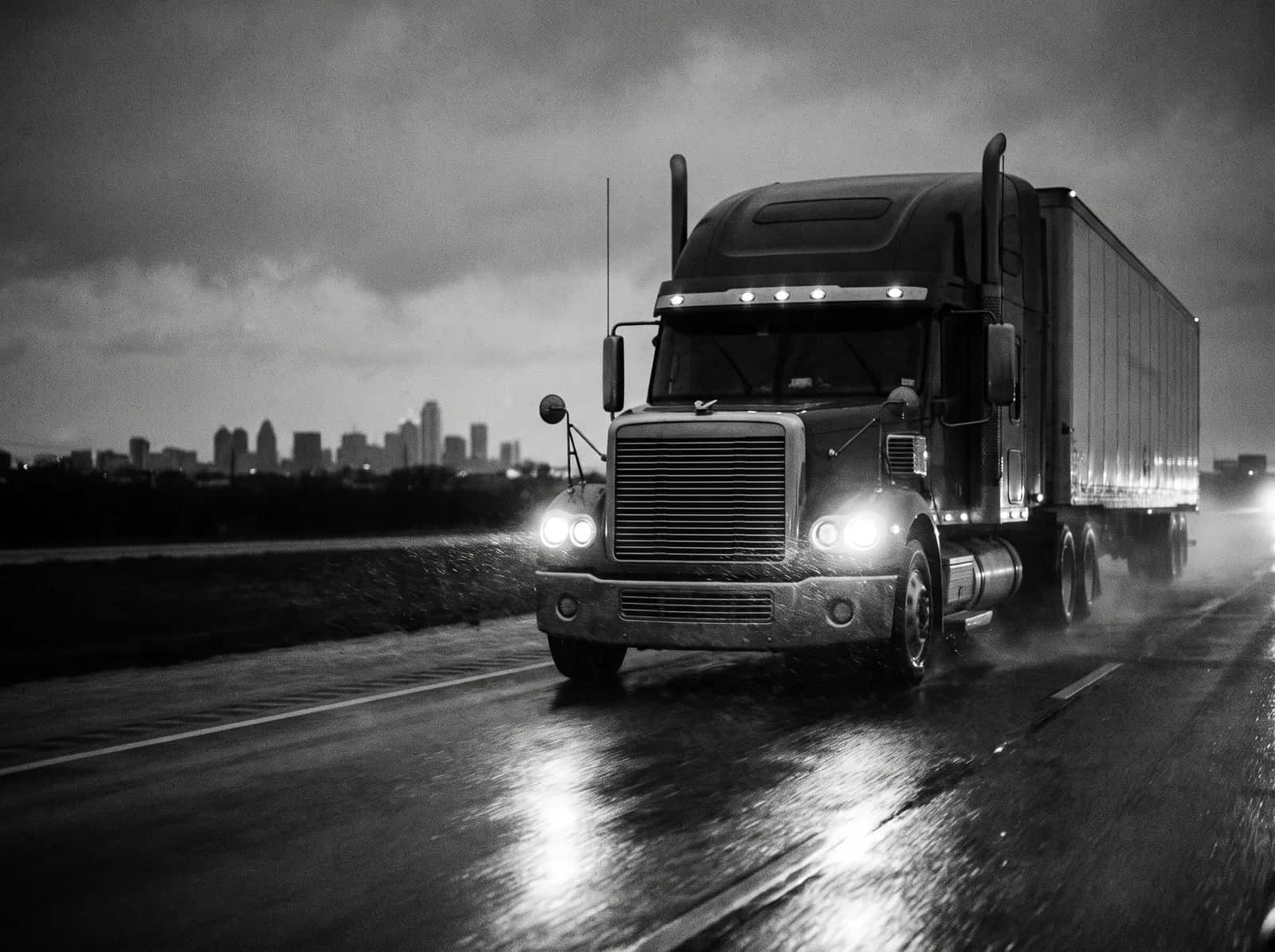

In Texas, a crash with a commercial truck is a claim against the driver, the carrier, and often several other companies, each with its own insurer and investigators. Owsley Law Firm sends preservation demands the week you call and charges no fee unless it wins. Do not speak with the carrier’s investigator first.
Understanding the claim
What does a Texas truck accident lawyer do for you?
Commercial-truck cases often involve more evidence, more corporate parties, and more serious injuries than an ordinary crash. The trucking company and its insurer may have investigators working immediately.
Driver logs, inspection records, dispatch communications, onboard data, and maintenance evidence may become central to the case. Preservation work should begin quickly.
Building the record
What evidence proves a truck accident claim?
The relevant evidence depends on the crash. The firm evaluates every available source and moves to preserve it before it is repaired, overwritten, or discarded.
- Electronic logging-device records
- Driver qualification and training files
- Inspection and maintenance history
- Dispatch records and company communications
- Cargo, routing, and onboard-system data

Texas law
Which Texas laws decide a truck accident case?
Federal rules that govern the trucking company
Interstate carriers must follow the Federal Motor Carrier Safety Regulations. Hours-of-service limits (49 CFR Part 395) cap driving time and require rest; electronic logging devices record it. Driver qualification files (Part 391), drug and alcohol testing (Part 382), and inspection and maintenance records (Part 396) all exist because the government knows fatigue, unqualified drivers, and bad brakes kill people. Violations of these rules are powerful evidence of negligence.
Insurance limits are higher, and the fight is harder
Interstate carriers hauling general freight must carry at least $750,000 in liability coverage, and many carry more (49 CFR section 387.9). Because the exposure is real, trucking insurers send rapid-response teams to the scene within hours. Their investigators are working while you are still in the emergency room.
Who can be responsible
The driver, the motor carrier, the trailer owner, the shipper or broker that hired an unsafe carrier, the maintenance contractor, and a parts manufacturer can each share liability. Texas proportionate responsibility rules (Civil Practice and Remedies Code Chapter 33) apply, so identifying every responsible party protects your recovery.
Texas Civil Practice and Remedies Code section 16.003 gives most injury claims two years from the date of the crash. Claims against a city, county, or the state carry much shorter notice deadlines under the Texas Tort Claims Act, sometimes as little as six months, and Houston and San Antonio require notice within 90 days by charter.
Evidence that disappears
ELD data, engine control module downloads, dash camera footage, dispatch messages, and driver logs are retained for limited periods, some as short as six months. The firm sends spoliation and preservation letters immediately and, when necessary, files suit early to compel production.
What to do now
What should you do after a truck accident?
- Get medical care immediately; commercial crashes cause internal and spinal injuries that surface later.
- Do not speak with the trucking company’s investigator or insurer; refer them to your lawyer.
- Photograph the truck, its DOT and MC numbers on the cab door, the trailer, the cargo, and the scene.
- Note the name of the carrier and the driver, and ask the officer for the crash report number.
- Preserve your own vehicle; do not authorize salvage until it has been inspected.
- Call the firm the same week. Preservation letters need to go out before records are overwritten.
In Houston: The Port of Houston and the Houston Ship Channel make Harris County one of the busiest commercial truck corridors in the country. I-10 East, the 610 Loop, and Beltway 8 carry container, chemical, and tanker traffic around the clock.
Types of cases
What kinds of truck accident cases do we handle?
Driver fatigue crashes
Truck AccidentsJackknife and rollover crashes
Truck AccidentsUnderride crashes
Truck AccidentsCargo and loading crashes
Truck Accidents18-wheeler accidents
Truck AccidentsAmazon delivery van crashes
Truck AccidentsFedEx and UPS truck crashes
Truck AccidentsGarbage truck crashes
Truck AccidentsTow truck crashes
Truck AccidentsDump truck and cement mixer crashes
Truck AccidentsOilfield truck crashes
Truck AccidentsTanker truck crashes
Truck AccidentsFlatbed truck crashes
Truck AccidentsTire blowout crashes
Truck AccidentsWide turn crashes
Truck AccidentsNegligent hiring and supervision
Truck AccidentsBrake and maintenance failures
Truck AccidentsBox truck and moving van crashes
Truck AccidentsCommercial vehicle crashes
Serious consequences
What injuries can you recover for?
A claim should address the injury’s immediate and long-term effects. Medical evidence, work limitations, future care, and changes to daily living may all be relevant.

Injury guides
How your injury shapes a truck accident claim.
Answered in depth
Questions people ask about truck accidents.
Common questions
Frequently asked questions
Who can be responsible for a truck crash?
Potential parties may include the driver, motor carrier, broker, maintenance contractor, shipper, manufacturer, or another company depending on the facts.
Why do truck cases require fast investigation?
Important electronic and company records may be retained for limited periods. Early preservation notices can be critical.
Are trucking cases handled differently from car crashes?
They can involve federal and state safety rules, commercial insurance programs, corporate policies, and several defendants.
What if the truck driver received no citation?
A citation decision does not determine civil responsibility. The complete evidence still needs to be evaluated.