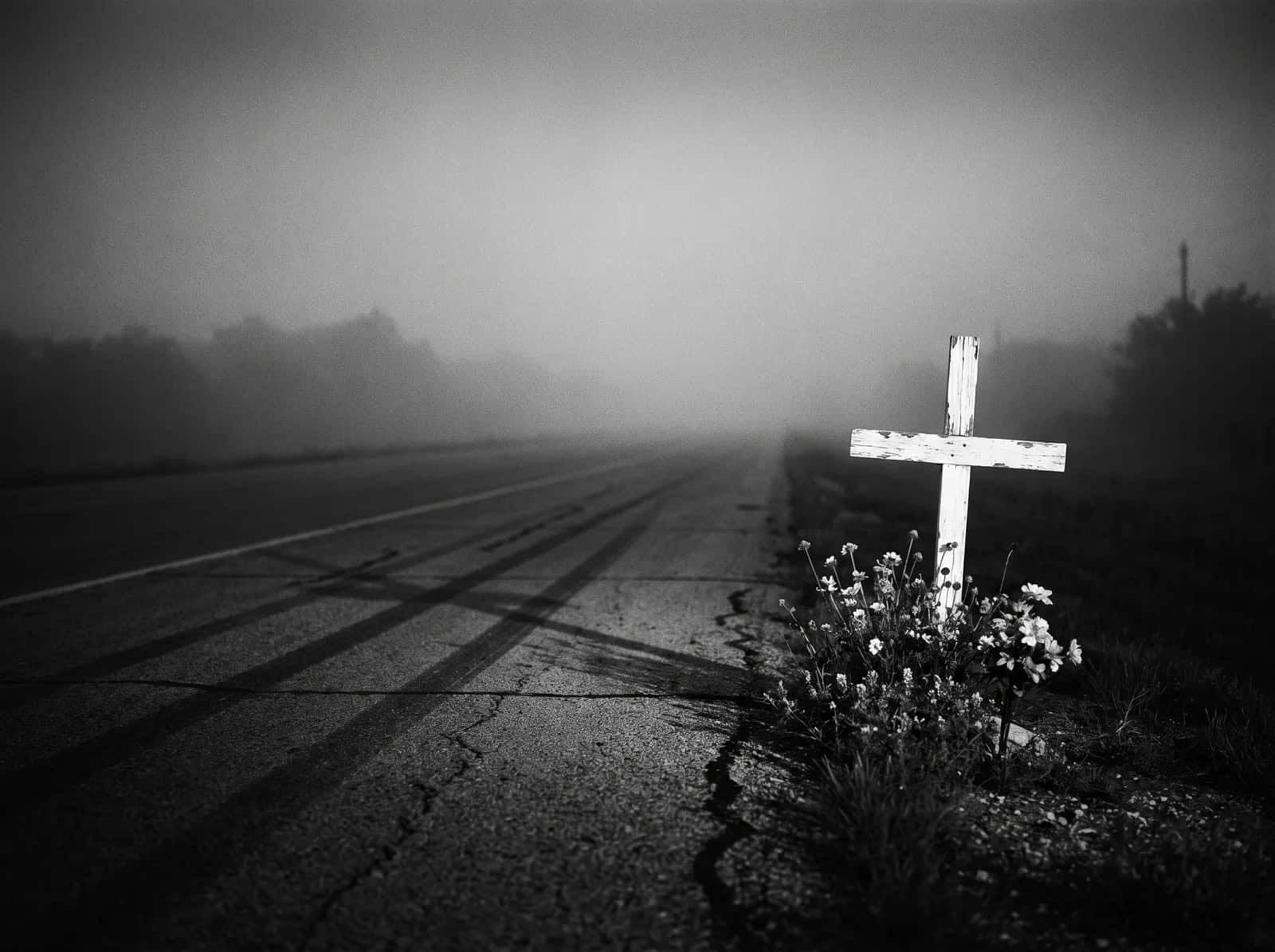

When a motorcycle rider or passenger dies in a crash caused by another driver in Texas, the spouse, children, and parents can bring a wrongful death claim, and the estate can bring a survival claim. Insurers often try to blame the rider; the evidence usually tells a different story. Owsley Law Firm represents families after fatal motorcycle crashes and charges no fee unless it recovers.
Who can bring a claim when a rider dies?
Under Chapter 71 of the Texas Civil Practice and Remedies Code, the surviving spouse, children, and parents of the rider may bring a wrongful death claim. The estate brings a separate survival claim under section 71.021 for the rider’s own losses before death, including medical expenses and conscious pain, and for funeral expenses.
If a passenger died, the same rules apply, and the claim may run against the other driver, the motorcycle operator, or both, depending on who caused the crash.
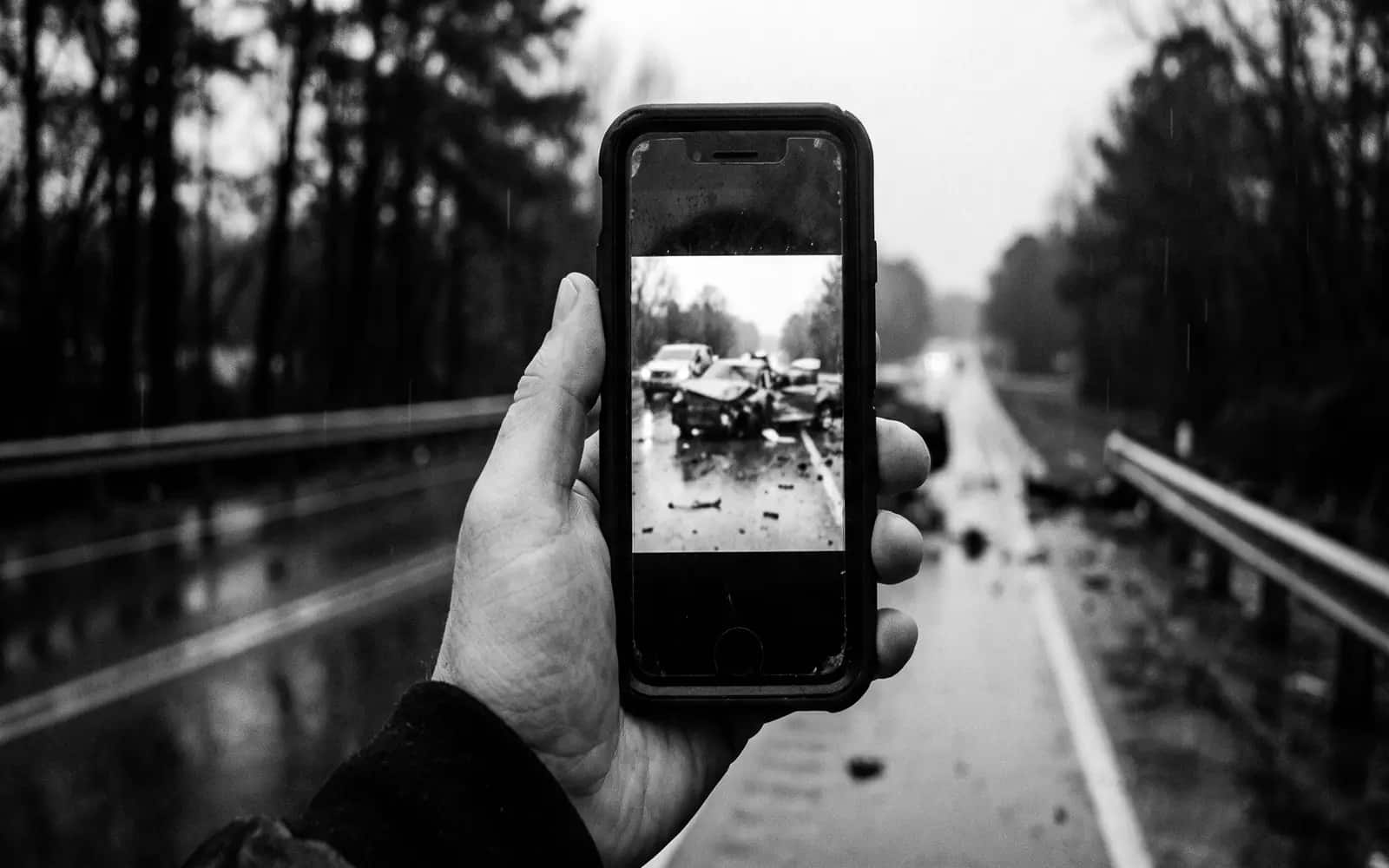
How do fatal motorcycle crashes usually happen?
Most fatal motorcycle crashes involving another vehicle start with a driver who did not see or did not yield to the motorcycle.
- A car turning left across the rider’s path
- A driver changing lanes into the rider
- A rear-end collision in slowing traffic
- A driver running a red light or stop sign
- An impaired or distracted driver drifting out of the lane
Will the insurer blame the rider?
Almost certainly. Insurers in fatal motorcycle cases commonly argue the rider was speeding, riding aggressively, or not wearing a helmet. When the rider cannot speak for themselves, those arguments go unanswered unless the family has someone gathering evidence.
Texas assigns fault in percentages under Chapter 33. A family’s recovery is reduced by any share of fault assigned to the rider and barred only if it exceeds 50 percent. Scene evidence, video, and accident reconstruction often show that the driver’s failure to yield was the cause.
Does it matter that the rider was not wearing a helmet?
Texas allows riders 21 and older to ride without a helmet if they completed an approved safety course or are covered by a health insurance plan that pays for motorcycle crash injuries, under Transportation Code section 661.003. Riding without a helmet does not cause a crash.
An insurer may argue a helmet would have changed the outcome. That is a medical question that requires proof, and it does not change who caused the collision.
What can the family recover?
The wrongful death claim recovers the family’s losses: lost financial support, loss of companionship and guidance, and mental anguish. The survival claim recovers the estate’s losses: medical bills, funeral expenses, and the pain the rider suffered before death. If the driver was grossly negligent, for example severely intoxicated, exemplary damages may be available under Chapter 41, subject to its limits.
If the at-fault driver had little insurance, the rider’s own uninsured and underinsured motorist coverage may also apply to the estate’s and family’s losses, depending on the policy terms.
What should the family do first?
Request the crash report, keep the motorcycle and gear in their damaged condition, and save any helmet or dashcam footage. Write down the names of witnesses who contacted you. Do not give a recorded statement to the other driver’s insurer.
The firm can take over contact with the insurers so the family can focus on each other.
How long does the family have to file?
Generally two years from the date of death under section 16.003. Evidence such as video and vehicle data disappears much faster, so it is worth getting advice early, even if the family is not ready to decide anything.
What evidence protects the family’s claim?
When the rider cannot describe what happened, physical evidence carries the case. The motorcycle’s damage shows the angle and force of impact. The other vehicle’s damage and its event data recorder can show speed and braking. Skid marks, debris, and the final resting positions show the sequence. Helmet cameras and dashcams increasingly provide direct proof.
Video from businesses and intersection cameras is often overwritten in days, and vehicles are repaired or salvaged within weeks. The firm sends preservation requests immediately and, where needed, works with accident reconstruction professionals to explain the evidence.
Where do fatal motorcycle crashes occur in Texas?
Fatal motorcycle crashes occur statewide, on urban arterials and freeways in Houston, Dallas, San Antonio, and Austin, and on rural highways where speeds are high and help is farther away. TxDOT publishes annual crash data that tracks motorcycle fatalities across Texas counties, and the agency runs ongoing campaigns urging drivers to look twice for motorcycles.
For a family, the location matters for practical reasons: which agency investigated, where the case would be filed, and what video or witnesses may exist. The firm confirms those details and requests the full investigation file.
Common questions
What clients ask about fatal motorcycle crashes.
The police report blames my loved one. Is that the final word?
No. A crash report is an officer’s assessment, often made quickly at a chaotic scene. It is not a court finding, and independent evidence can contradict it.
Can we still claim if the rider was partly at fault?
Yes, if the rider was 50 percent or less at fault. The recovery is reduced by the rider’s share.
Does the motorcycle need to be kept?
Yes, if possible. The motorcycle is evidence of speed, angle, and impact. Ask the firm before releasing it to an insurer or salvage yard.
Who handles the funeral expenses claim?
Funeral expenses are generally recovered through the estate’s survival claim or by the family member who paid them, depending on the circumstances.
What does the firm charge families?
Nothing up front and no fee unless it recovers.