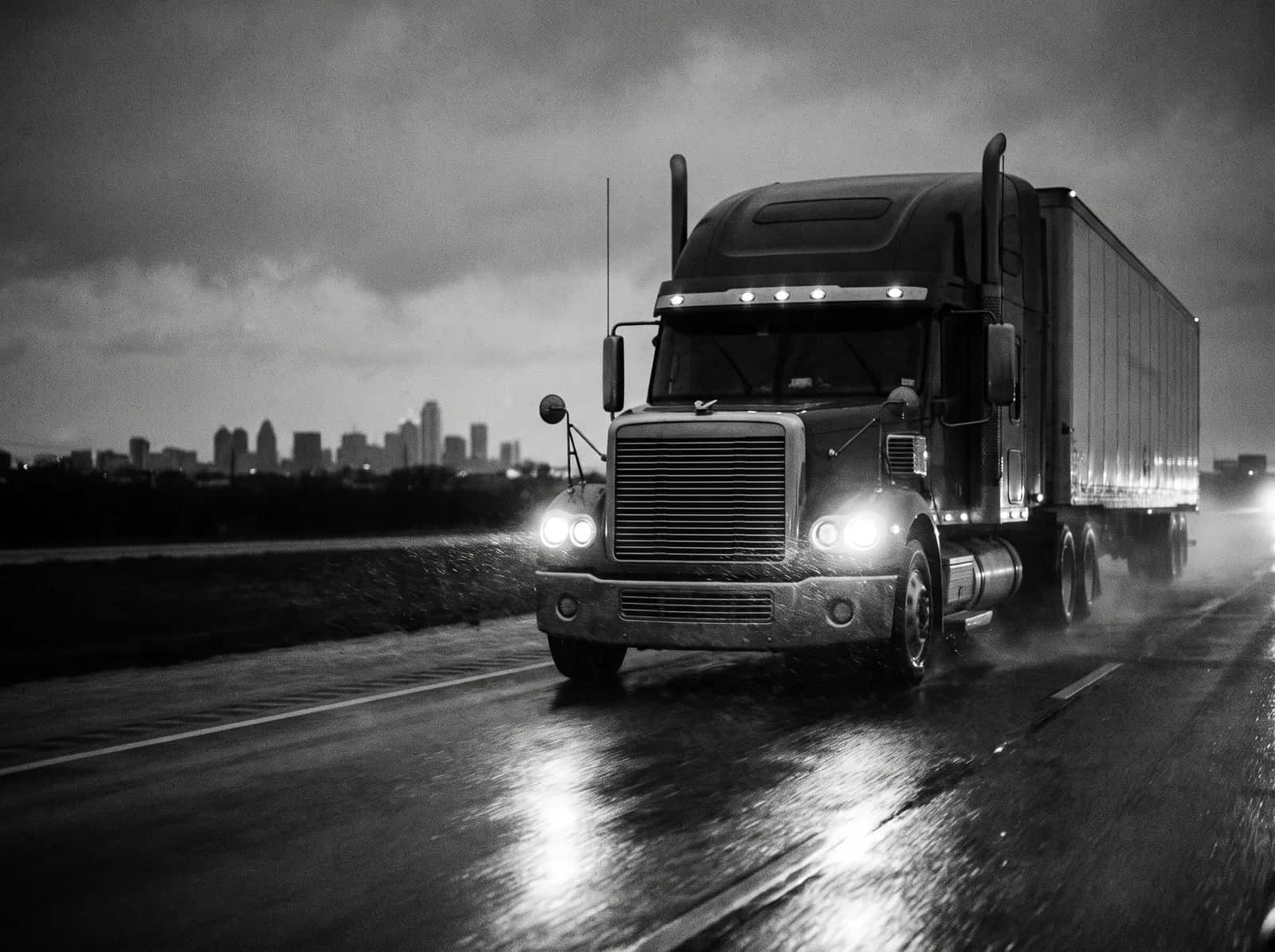

In Texas, a tanker truck crash is a claim against the driver and carrier, and often the shipper or terminal that loaded the tank. Liquid cargo surges in braking and turns, which makes tankers prone to rollover, and hazardous loads can burn or release fumes. Federal rules require higher insurance for hazardous materials carriers. Owsley Law Firm handles these cases and charges no fee unless it wins.
Why do tanker trucks roll over so easily?
A tanker carrying liquid behaves differently from a truck carrying boxes. When a partially full tank brakes or turns, the liquid surges forward or sideways and pushes the truck in that direction. Combined with a high center of gravity, that surge makes tankers especially prone to rollovers on ramps, curves, and sudden lane changes. Drivers hauling liquids are trained to account for it, and a crash that follows a fast turn or ramp approach often points to driver error or inadequate training.

Where do tanker crashes happen in Texas?
Houston is one of the busiest petrochemical regions in the country. Tankers move fuel, chemicals, and gases between refineries, plants, terminals, and the Port of Houston along the Ship Channel, SH-225, I-10 east toward Baytown and Beaumont, and Beltway 8. Fuel tankers serve gas stations in every Texas city, and crude tankers run through the Permian Basin and Eagle Ford.
What rules apply to tanker and hazmat carriers?
Tankers are commercial motor vehicles subject to the federal safety rules, and drivers need a commercial license with a tank vehicle endorsement and, for hazardous loads, a hazardous materials endorsement. Hazardous materials shipping, packaging, and placarding are governed by federal hazmat regulations. Under 49 CFR 387.9, carriers hauling oil must carry at least $1,000,000 in liability coverage and certain hazardous materials require $5,000,000.
- Tank vehicle and hazmat endorsements on the driver's license
- Placarding that identifies the material being carried
- Loading and unloading procedures at the terminal
- Inspection of valves, hoses, and the tank itself
- Routing restrictions for some hazardous loads
Who is responsible for a tanker crash?
The driver and carrier are the starting point. The shipper or terminal that loaded the tank can be responsible for overfilling, underfilling, or mislabeling the load. The tank's manufacturer or the company that maintained its valves and fittings can be responsible for a leak or equipment failure. Fault is divided among all of them under Chapter 33 of the Civil Practice and Remedies Code.
What injuries do tanker crashes cause?
Beyond the impact itself, tanker crashes can cause burns from fires, chemical burns and inhalation injuries from released materials, and injuries to people who were nowhere near the original collision. Road closures and evacuations can follow. Medical records should document any exposure, even if symptoms seem mild at first, because some chemical injuries develop over time.
What evidence matters in a tanker case?
Bills of lading and shipping papers identify the cargo and the shipper. Loading records show how full the tank was. The engine control module, logs, and maintenance records show speed and condition. Emergency response reports from fire departments and environmental agencies can document the release. All of it should be preserved quickly through written demands.
What should you do after a tanker crash?
Get to safety and follow instructions from first responders, especially if there is a fire, smell, or visible spill. If you can do so safely, photograph the placard numbers on the tanker, which identify the material being carried. Note the company name and truck number.
Seek medical evaluation even if you feel fine, and tell the provider about any smell or exposure. Keep receipts for evacuation costs or temporary housing if you were displaced. Do not give recorded statements before getting advice.
What damages can be recovered after a tanker crash?
Injured people can recover medical expenses, lost income, loss of future earning capacity, physical pain, mental anguish, impairment, and disfigurement. Property damage, including contamination of vehicles or property from a spill, may also be recoverable. Where a company knowingly put an unsafe tanker or driver on the road, exemplary damages under Chapter 41 of the Civil Practice and Remedies Code may be available.
Families of people killed in tanker crashes can bring wrongful death claims under Chapter 71 of the Civil Practice and Remedies Code, and the estate can bring a survival claim.
Who investigates a tanker spill in Texas?
Fire departments and hazardous materials teams respond first. Depending on the material and the amount, state environmental regulators and federal agencies may also become involved, and the carrier must report certain hazardous materials incidents. Those reports, along with the responders' records, can document what was released, how much, and how people were exposed.
These records are separate from the police crash report and must be requested from each agency. They are an important part of a tanker case because they are created by independent responders, not by the carrier or its insurer.
Why are tanker crash scenes cleared so fast?
Because spilled fuel and chemicals create ongoing danger, responders work to contain and clean up a tanker scene quickly, and the roadway is reopened as soon as it is safe. That speed is necessary, but it means the physical evidence at the scene disappears within hours. Responder photographs and reports, and the carrier's own post-crash documents, become the main record, which is why they are requested early.
How long do I have to file a claim?
Most Texas injury claims must be filed within two years under section 16.003 of the Civil Practice and Remedies Code. Exposure injuries can raise questions about when an injury was discovered, so early advice matters.
Common questions
What clients ask about tanker truck crashes.
What if I was exposed to chemicals but not in the crash?
People exposed to a release can have claims even if their vehicle was not struck. Get medical evaluation and keep records of where you were.
Do tanker carriers carry more insurance?
Yes. Federal minimums are higher for oil and hazardous materials carriers, and many carry additional coverage.
Can the refinery or terminal be responsible?
If it loaded the tank improperly or contributed to the crash, it can share responsibility.
What if the tanker was empty?
Empty or partially full tankers still carry vapors and still surge. The case focuses on how the truck was driven and maintained.
Should I keep a record of symptoms after a chemical release?
Yes. Write down symptoms, dates, and medical visits. Some exposure injuries develop over days or weeks.
What does the firm charge?
No fee unless it wins.