

In Houston, a person hurt in a rideshare accident caused by someone else can recover medical costs, lost income, and pain under Texas law. Owsley Law Firm handles Houston rideshare accidents from its Houston offices, comes to you, and charges no fee unless it wins. Call before you speak with any insurer.
Rideshare Accidents in Houston
Where do Houston rideshare accidents happen?
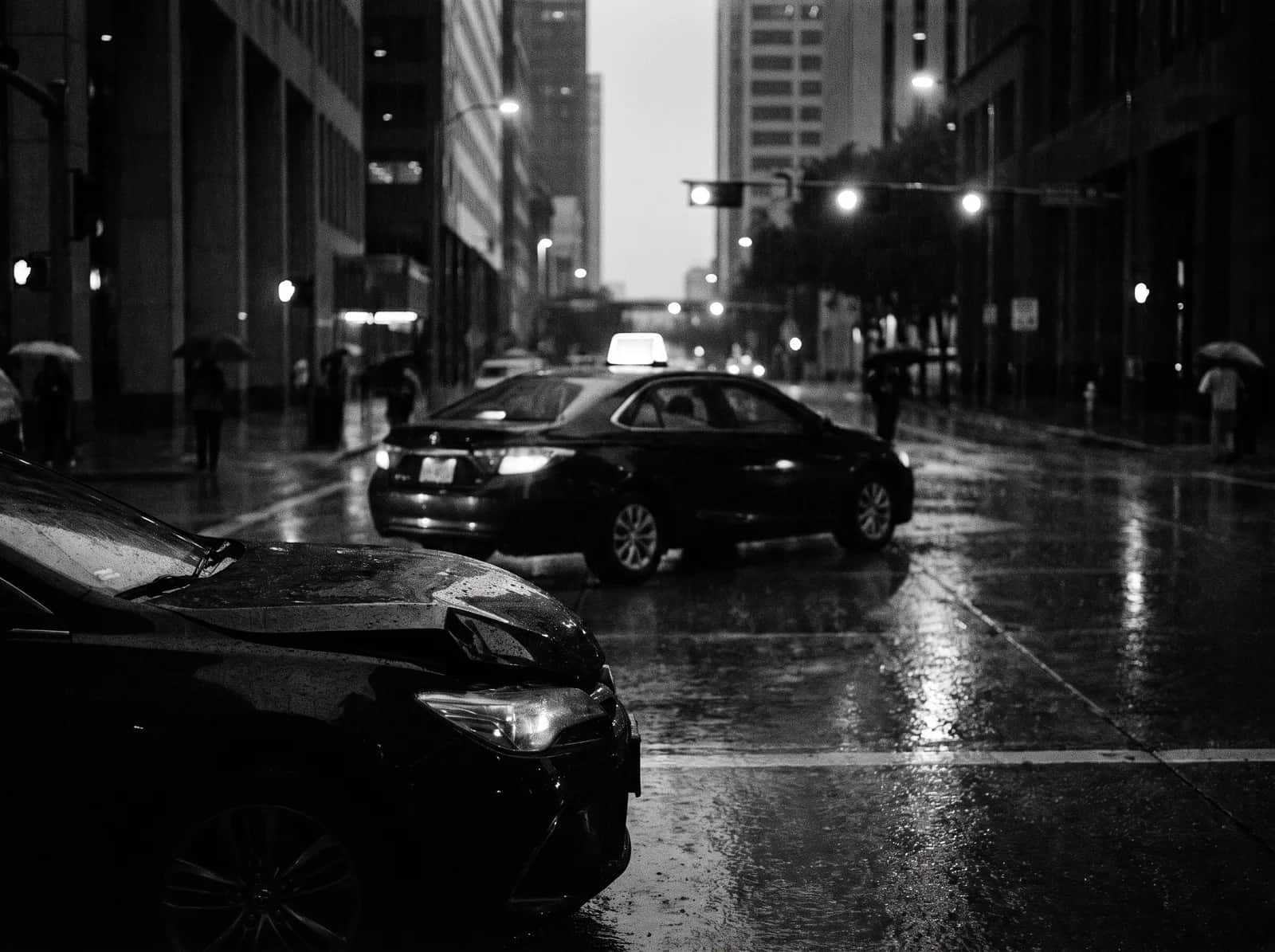
Houston’s rideshare traffic concentrates downtown, in Midtown and Montrose, around the Galleria, at the Medical Center, and at both airports. Nightlife-hour crashes on Washington Avenue and Westheimer make up a large share of the firm’s rideshare cases.
Houston rideshare crashes happen where the rides are: downtown, Midtown, Montrose, the Galleria, the Medical Center, and the routes to Bush and Hobby airports. Nightlife-hour crashes on Washington Avenue and Westheimer are a common rideshare crash pattern, and many involve a third driver who had been drinking. Houston’s freeway commutes add rear-end crashes with a passenger in the back seat. In every case the driver’s app status at the moment of impact decides whether the one million dollar policy applies, and the firm moves early to secure those records.
Corridors where Houston rideshare accidents cluster
- I-45 Gulf Freeway at the 610 South Loop and Broadway
- I-10 Katy Freeway between Beltway 8 and the 610 West Loop
- US-59 Southwest Freeway through the 610 interchange and Westpark
- I-45 North Freeway at Beltway 8 and the Hardy Toll Road merge
- US-290 Northwest Freeway at 34th Street and the 610 interchange
- Westheimer Road from Kirby to Beltway 8, one of the county’s busiest surface streets
Cases from Houston
What does a Houston rideshare accident case look like?
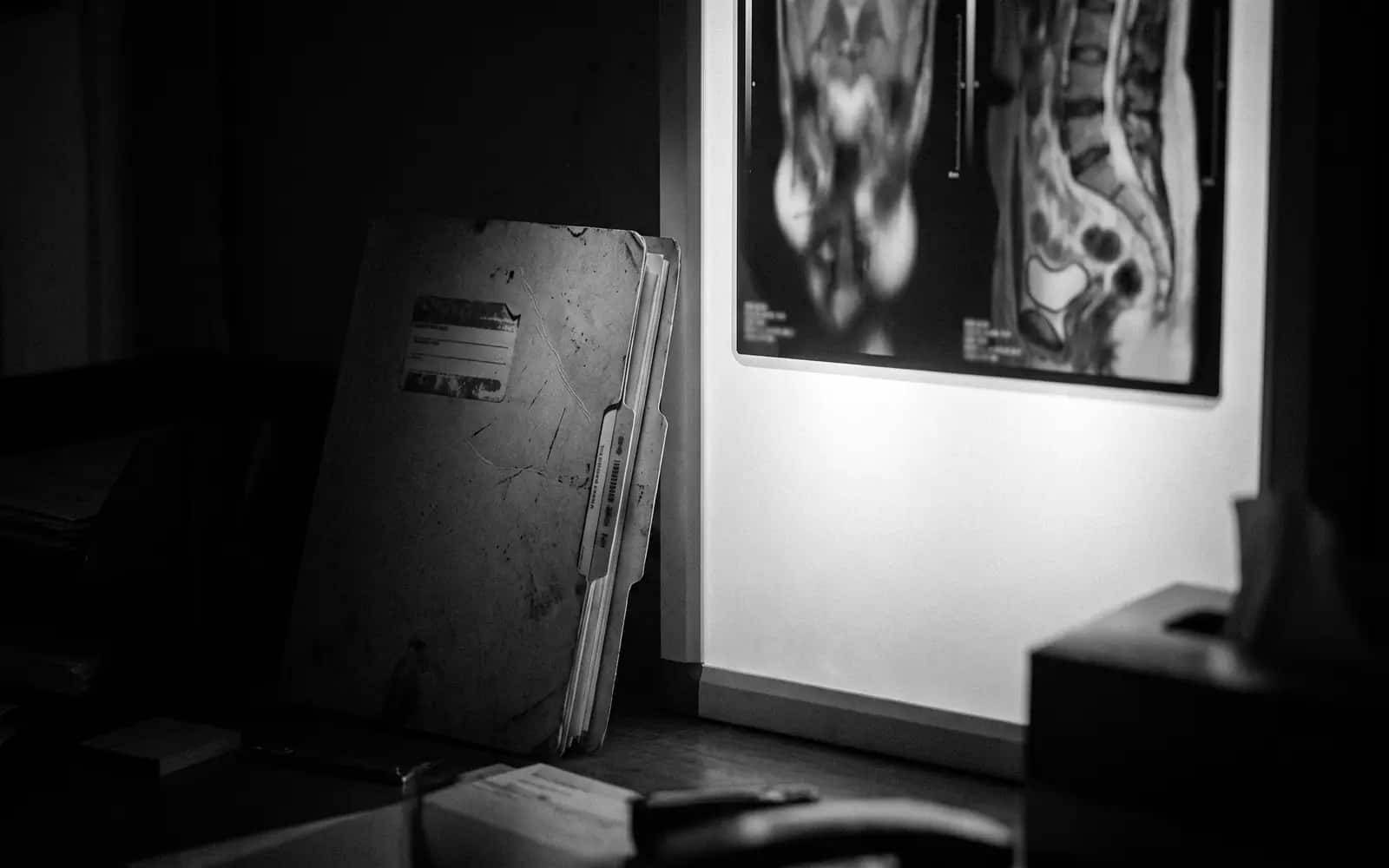
A commuter stopped in Katy Freeway congestion is rear-ended by a pickup that never braked, and the injury is a herniated disc that needs injections and, eventually, surgery.
Which insurance covers a Houston Uber or Lyft crash?
It depends on the driver's app status at the moment of the crash. Texas Insurance Code Chapter 1954 sets the minimum coverage for each stage of a rideshare trip.
Rideshare coverage in Texas works in stages. When the driver is logged into the app and waiting for a request, the rideshare policy must provide at least $50,000 per person, $100,000 per crash, and $25,000 in property damage liability. Once the driver accepts a trip, and through the end of the ride, the required liability coverage jumps to $1 million. When the driver is logged out, the rideshare company's policy generally does not apply at all and the driver's personal policy is the only coverage.
The $1 million figure is liability coverage, which means it pays when the rideshare driver is responsible for the crash. If another driver caused it, that driver's insurer is the first stop, and the rideshare policy's uninsured and underinsured motorist coverage, where required, can fill the gap when the other driver has too little or none. Getting this order right is the core of a Houston rideshare claim.
- App off: the driver's personal auto policy only
- App on, waiting for a ride: at least 50/100/25 rideshare coverage
- Trip accepted through drop-off: $1 million liability coverage
- Another driver at fault: that driver's policy first, then UM/UIM where it applies
What if you were a passenger in an Uber or Lyft in Houston?
Passengers are usually in the strongest position in a rideshare case, because a passenger is rarely at fault and coverage applies from the moment the ride was accepted.
If your rideshare driver caused the crash, the $1 million liability coverage applies. If another driver caused it, you have a claim against that driver, and if that driver is uninsured or underinsured, the rideshare policy's UM/UIM coverage may apply where required. When fault is shared, claims can be made against both. A passenger is rarely at fault, but under Civil Practice and Remedies Code section 33.013 each driver generally pays only its own percentage of the damages unless it is found more than 50 percent responsible, so how fault is split between the drivers can affect how much a passenger actually collects.
Passenger injuries in Houston are often worse than the vehicle damage suggests: riders in the back seat are frequently unbelted on short trips across Midtown or Montrose, and side impacts at frontage-road intersections hit rear passengers directly. Get examined the same day, tell the doctor you were in a rideshare crash, and keep every record.
What if an Uber or Lyft driver hit your car in Houston?
Your claim is against the rideshare driver, and which policy pays depends on whether the driver was logged in, waiting for a request, or on a trip.
If you were driving your own car and a rideshare driver hit you, the most important early fact is the driver's app status. A driver carrying a passenger or heading to a pickup is covered by the $1 million policy; a driver who was logged in but waiting is covered at the lower 50/100/25 tier; a driver who was logged out is covered only by a personal policy, and its rideshare exclusion, if any, generally applies only while the driver is logged in. Drivers do not always volunteer their status, and some leave the app running while saying otherwise.
The firm requests the trip data from the rideshare company and the driver's insurer early. Meanwhile, your own PIP can pay medical bills regardless of fault, and your collision coverage can repair your car while liability is sorted out.
What if you were driving for Uber or Lyft and someone hit you?
Your claim is against the driver who caused the crash. Your own personal policy may exclude rideshare use, and the coverage the rideshare company provides for its own drivers depends on its current policy terms.
Houston rideshare drivers spend long hours on the same freeways where most of the city's serious crashes happen. When another driver causes the crash, that driver's liability insurer pays first, just as in any other crash. Lost driving income is part of the claim, so keep your earnings history, trip logs, and weekly summaries.
Coverage for the rideshare driver's own injuries is where people get surprised. Many personal auto policies exclude commercial or rideshare use unless you bought an endorsement, and the protection the app provides for drivers is set by the company's policy, not by a statute that guarantees a minimum for you. The firm reviews both before advising you what to claim and where.
What if a drunk driver hit your Houston rideshare?
The drunk driver is responsible, and in some cases so is the bar or restaurant that kept serving them. Texas dram shop law can make a business liable for serving an obviously intoxicated customer who then causes a crash.
Late-night rideshare trips out of Midtown, Washington Avenue, and Montrose share the road with drivers leaving the same bars. When a drunk driver hits a rideshare car, the passenger has a claim against that driver, and the drunk driver's conduct can support exemplary damages that ordinary negligence does not. Texas caps exemplary damages, but the cap does not apply in cases involving intoxication assault or intoxication manslaughter.
Under Alcoholic Beverage Code Chapter 2, a licensed seller can be responsible when it served someone who was obviously intoxicated to the point of presenting a clear danger, and that intoxication caused the crash. Receipts, bar tabs, video, and witness accounts establish where the driver was drinking and how much. Those records disappear quickly, which is why the investigation starts with the police report and the driver's criminal case file.
Can you sue Uber or Lyft directly after a Houston crash?
Usually the claim runs through the rideshare company's insurance rather than against the company itself, because Texas treats rideshare drivers as independent contractors in most cases.
Texas law classifies rideshare drivers as independent contractors when the company meets the statutory conditions, which generally means the company is not automatically responsible for a driver's negligence the way an employer would be. The insurance Chapter 1954 requires is what pays most rideshare claims.
There are exceptions worth investigating. Claims involving the company's own conduct, such as how it screened a driver with a disqualifying record or how it responded to prior complaints, can raise separate questions. Those cases depend heavily on records the company holds, and the firm requests them when the facts point that way.
Houston rideshare crash: who pays, by situation
| Your situation | First source of payment | Backup coverage |
|---|---|---|
| Passenger, rideshare driver at fault | Rideshare $1 million liability | Your own PIP for early bills |
| Passenger, other driver at fault | Other driver's liability policy | Rideshare UM/UIM where it applies |
| Other driver, rideshare driver on a trip | Rideshare $1 million liability | Your PIP and collision coverage |
| Other driver, rideshare driver waiting for a ride | Rideshare 50/100/25 liability | Your UM/UIM if the limits are too low |
| Other driver, rideshare driver logged out | Driver's personal policy | Your UM/UIM if that policy denies coverage |
What to do now
What should you do after a rideshare accident in Houston?
- Get examined the same day. Memorial Hermann Texas Medical Center (Level I trauma) and Ben Taub Hospital (Level I trauma) handle the serious crash injuries from Houston.
- Screenshot the trip in the Uber or Lyft app now: driver name, vehicle, route, and receipt. Whether the driver was logged in, waiting for a ride, or carrying a passenger decides which insurance policy applies under Texas Insurance Code chapter 1954.
- Photograph both vehicles, the plates, and the scene, especially on I-10 (Katy Freeway and East Freeway) and I-45 (Gulf Freeway and North Freeway), where scenes are cleared within minutes.
- Report the crash in the app so the company's insurer opens a claim. Get the Houston crash report. Houston Police Department crash reports (Texas form CR-3) are available through the TxDOT Crash Report Online Purchase System about 10 days after the crash, and HPD Records Division also provides them. The firm obtains it for clients at no charge.
- Do not give a recorded statement to the rideshare company's insurer or the other driver's carrier until you have counsel.
- Know where the case goes. Houston rideshare accidents suits are filed in the Harris County Civil District Courts, 201 Caroline St.
- Call the firm. Both Houston offices are minutes from the courthouse, and the consultation is free.
Houston rideshare accidents we handle
Specific Houston rideshare accident cases
Go deeper
More on rideshare accident claims in Houston and Texas.
Common questions
Houston rideshare accident questions
Where do Houston rideshare accidents happen most?
Downtown, Midtown, Montrose, Washington Avenue, the Galleria, the Medical Center, and the airport routes on I-45 and the Hardy Toll Road.
I was a passenger in an Uber in Houston. Who pays?
The rideshare company’s one million dollar liability policy covers you from the moment your ride was accepted when the rideshare driver caused the crash. If another driver caused it, that driver’s policy pays first, and uninsured or underinsured motorist coverage may add to it. The firm pursues both.
What if my Uber crashed after a pickup at Bush Intercontinental or Hobby?
Once the driver accepted your trip, Texas law requires $1 million in liability coverage through the end of the ride, so an airport pickup is covered like any other. Crashes on airport roads are usually investigated by Houston Police. Save the trip receipt and screenshots of the app showing the pickup time and route.
Does the rideshare arbitration agreement stop me from bringing a Houston claim?
Not entirely. Rideshare companies’ terms of service include arbitration clauses that may apply to claims against the company itself. Claims against the at-fault driver, including a third driver who hit your car, are not covered by your agreement with the app. How the clause applies to a specific case depends on the current terms, so keep a copy.
Do I need the rideshare driver's insurance information after a Houston crash?
Get it if you can, but the trip record matters more. The rideshare driver's personal insurance card may not be the policy that applies. Screenshot the driver profile, vehicle, plate, and trip in the app, and the firm will identify the rideshare company's insurer from there.
What if my Houston Uber driver says the app was off?
Ask for proof and preserve yours. The rideshare company's records show when the driver was logged in, when a trip was accepted, and when it ended. Your screenshots, receipt, and messages are independent evidence, and the firm requests the company's data early.
Can I make a claim if I was hit by a rideshare car while walking in Midtown?
Yes. A pedestrian hit by a rideshare driver has a claim against that driver, and the rideshare policy applies if the driver was logged in or on a trip. Your own auto policy's PIP and uninsured motorist coverage can apply even though you were on foot.
Does Texas PIP apply in a rideshare crash?
Often, yes. PIP follows the policy that covers you, and it pays medical bills and lost income regardless of fault. Passengers may be covered under their own household policy, and the rideshare policy's PIP where required by Texas law.
How long do I have to file a Houston rideshare accident claim?
Generally two years from the crash to file a lawsuit in Texas. The practical deadline is much shorter for evidence: trip data, video, and witness memories are easiest to secure in the first days.
Sources
Sources this page relies on
- Texas Insurance Code, chapter 1954 (rideshare coverage)
- Texas Occupations Code, chapter 2402 (rideshare companies and drivers)
- Texas Insurance Code, chapter 1952 (PIP and uninsured/underinsured motorist coverage)
- Texas Alcoholic Beverage Code, chapter 2 (dram shop liability)
- Houston Airports, taxi and ride app pickup at IAH
- TxDOT Crash Report Online Purchase System (CR-3 reports)
- Texas Civil Practice and Remedies Code, chapter 16 (two-year deadline, section 16.003)