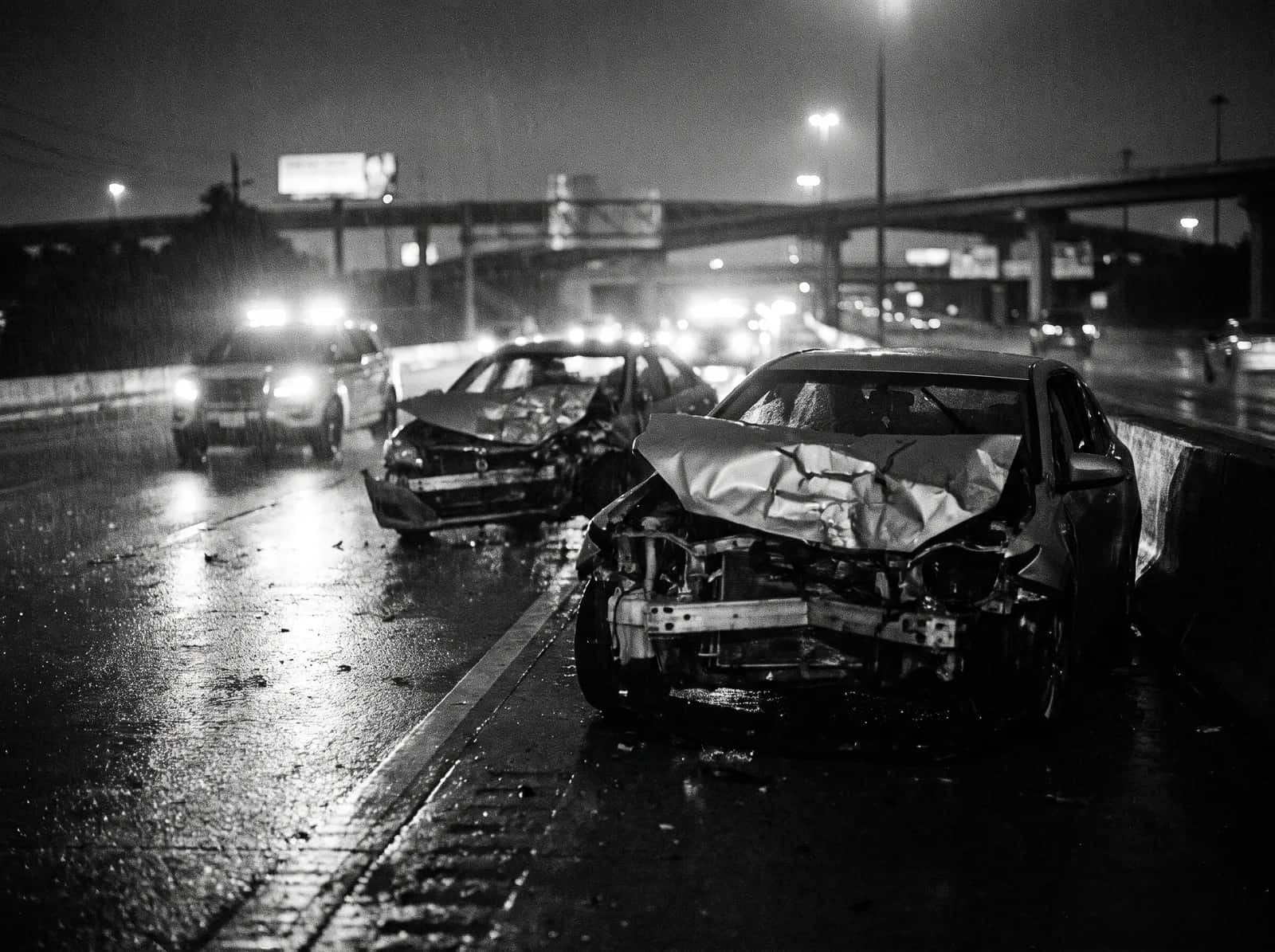

Start with safety and medical care
Move out of immediate danger when possible, call for emergency help, and seek appropriate medical attention. Some injuries are not obvious at the scene, and symptoms can develop later.
Follow the treatment instructions you receive and keep a clear record of providers, appointments, diagnoses, and work restrictions.
Preserve what you can
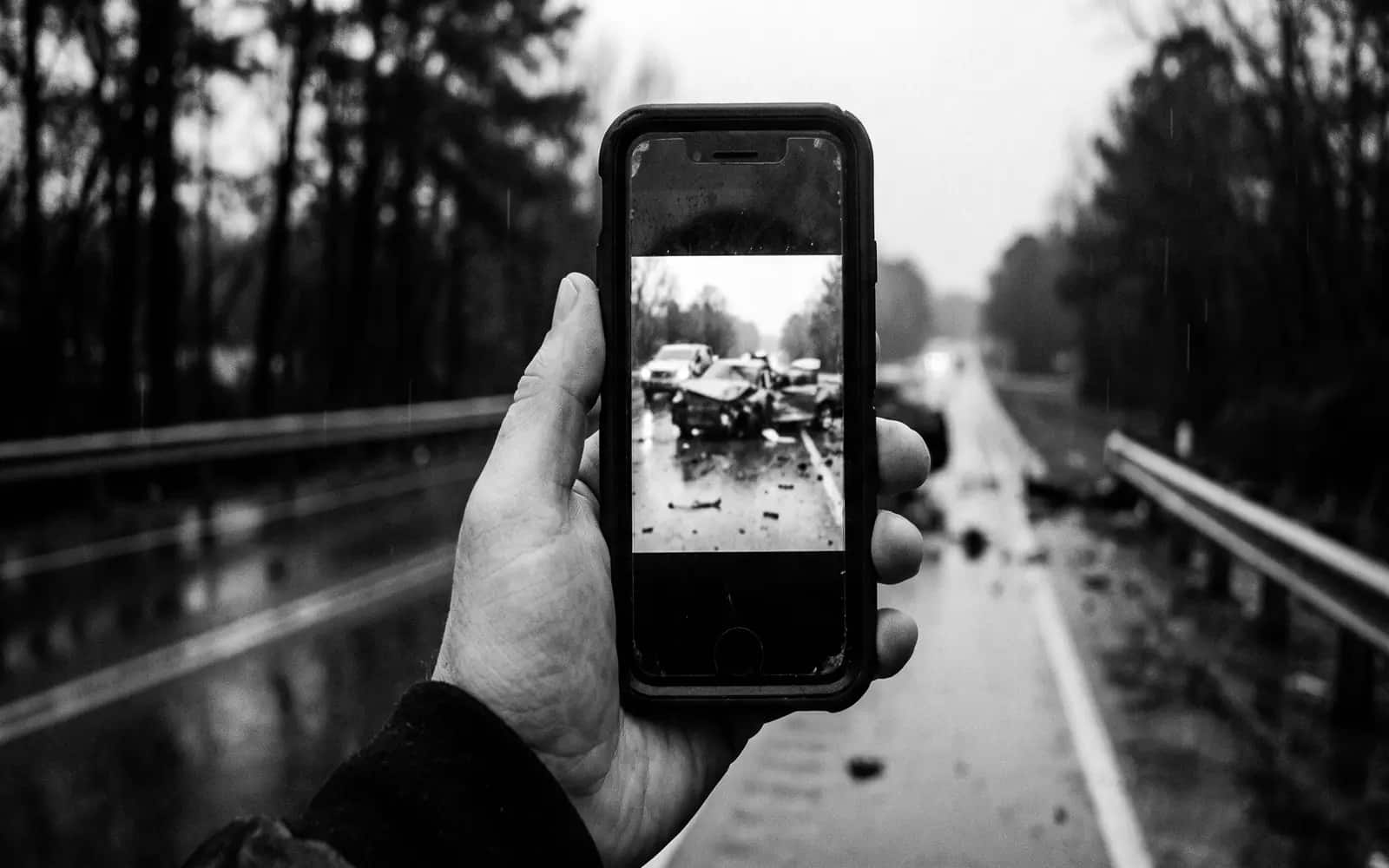
If it is safe, document the vehicles, roadway, traffic controls, weather, debris, visible injuries, and surrounding businesses or homes that may have cameras.
- Exchange driver and insurance information
- Identify witnesses and preserve contact details
- Save photographs, video, receipts, and towing records
- Avoid repairing or disposing of important physical evidence too quickly
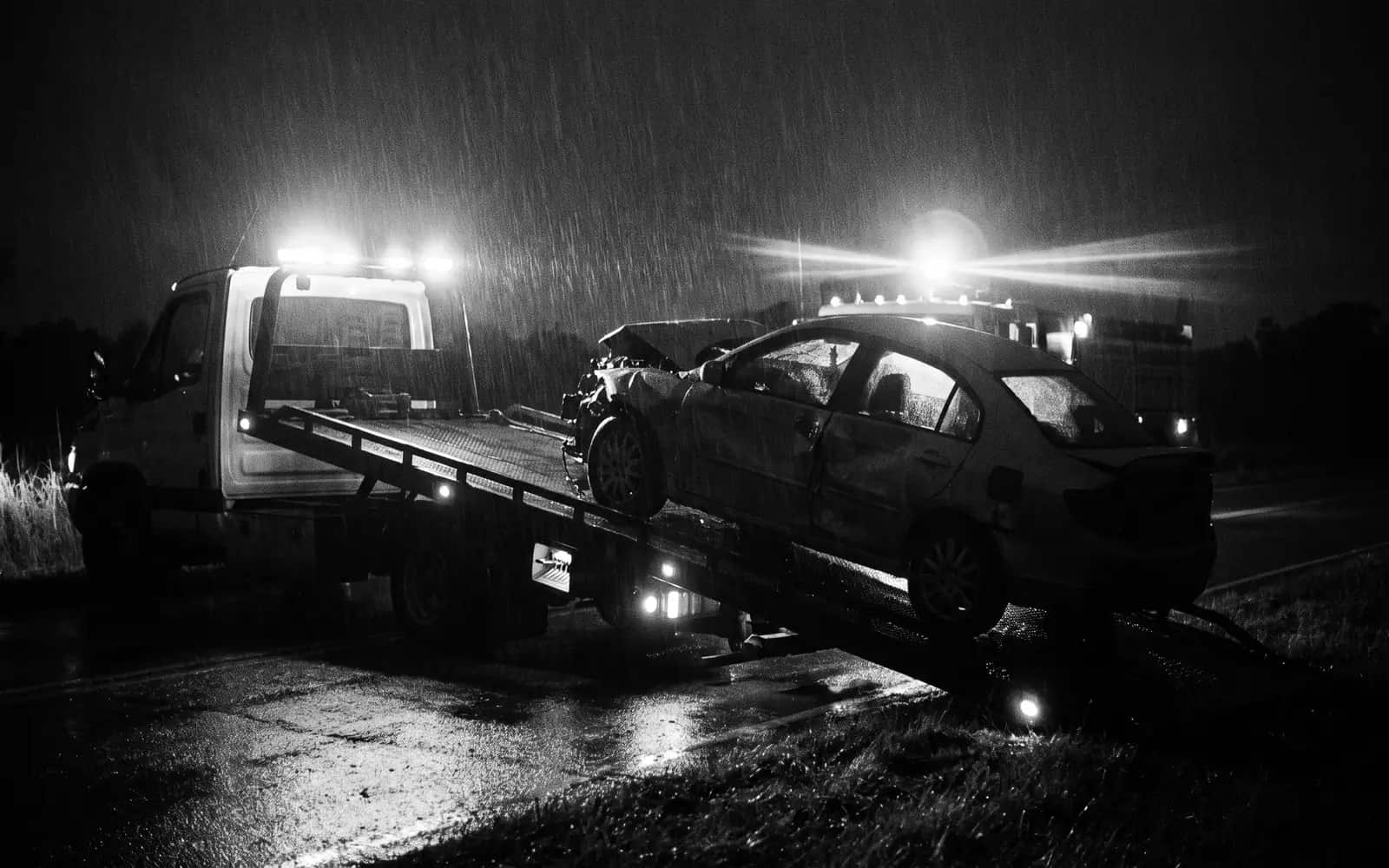
Be careful with early insurance communications
Report the collision accurately, but do not guess about speed, injuries, fault, or facts you do not know. A recorded statement or broad medical authorization can affect the claim.
Before accepting a settlement, understand whether the amount addresses all medical care, lost income, property damage, and potential future consequences.

At the scene: what Texas law expects of every driver
Under Transportation Code section 550.021, a driver involved in a crash that injures or kills anyone must stop at the scene, stay there, and give reasonable help, which includes calling for medical aid. Leaving before police arrive can turn a civil claim into a criminal problem for the other driver and is important evidence of how they behaved.
Drivers must also exchange names, addresses, vehicle registration, and insurance information under Transportation Code section 550.023. Write it down or photograph the other driver's insurance card and license. If the other driver refuses or drives away, get the plate number, a description of the vehicle, and the direction it went, and tell the responding officer immediately.
- Call 911 and ask for both police and medical response if anyone complains of pain
- Turn on hazard lights and move to safety if the vehicles can be moved
- Do not argue about fault, apologize, or speculate about speed or distraction
- Ask any witnesses to stay, or at least give you a name and phone number

Make sure a crash report exists
A law enforcement officer investigating a crash with injury, death, or significant property damage prepares a written crash report under Transportation Code section 550.062. That report records the parties, vehicles, insurance, road conditions, the officer's diagram, and sometimes a preliminary view of contributing factors.
Ask the officer for the report number before you leave the scene. Copies are available through the TxDOT Crash Report Online Purchase System, typically after the report is processed. Read it carefully. Errors in the insurance details, the vehicle descriptions, or the narrative are common and are much easier to correct early than after an insurer has adopted them.

Evidence worth collecting in the first hour
Evidence disappears quickly. Skid marks fade in rain and traffic, debris is swept away, and a business may overwrite its security video within days. Your phone is the best evidence tool you have at the scene.
- Wide shots of all vehicles in place, then close-ups of every point of damage
- The full road layout: lane markings, signals, signs, intersection sight lines, and any construction
- Visible injuries, torn clothing, and airbag deployment
- License plates, vehicle identification numbers, and the other driver's insurance card
- Nearby businesses with cameras that may have captured the crash, so a request can go out quickly
- A short voice memo of what you remember while it is fresh
See a doctor and keep the treatment consistent
Adrenaline can hide pain for hours. Neck, back, head, and internal injuries often show up the next day. A same-day evaluation at an emergency room or urgent care creates a medical record tying your symptoms to the crash.
Gaps in treatment are one of the first things an insurer uses to argue that an injury was minor or came from something else. Follow your doctors' instructions, attend follow-up visits and therapy, and tell every provider about all of your symptoms, not just the worst one. Keep a simple log of pain levels, missed work, and daily activities you can no longer do.
Your insurance company and the other driver's insurance company
Your own policy requires prompt notice of a crash and cooperation with its investigation. Report the collision, give basic facts, and ask what coverage you have. Texas policies usually include or offer personal injury protection under Insurance Code section 1952.152 and uninsured or underinsured motorist coverage under Insurance Code section 1952.101, which can matter a great deal if the other driver has little or no insurance.
The other driver's insurer is different. Its adjuster works for the company that will pay the claim, and you have no duty to speak with it. A friendly call that asks for a recorded statement is designed to gather facts that limit the claim. It is reasonable to say you will provide information in writing after you have spoken with a lawyer and finished your medical evaluation.
When to talk to a lawyer
Call before you accept any offer, sign any release, or give a recorded statement. That is especially true if there was a serious injury, a death, a commercial vehicle, a disputed version of events, or an insurance company that is already pressing you for quick answers. Owsley Law Firm offers a free case review and charges no fee unless there is a recovery.
Remember that Texas gives most injured people two years to file suit under Civil Practice and Remedies Code section 16.003, but evidence is at its best in the first weeks. Early advice costs nothing and often protects the value of a claim.
Common questions
Common questions
Do I have to call the police after a minor car accident in Texas?
Texas requires a driver to give immediate notice to police when a crash injures or kills someone, and an officer's report is prepared for injury crashes. Even for a minor collision, calling is smart. The report documents the other driver, their insurance, and the facts before memories change.
Should I see a doctor if I feel fine after a crash?
Yes. Adrenaline and shock can mask injuries such as concussions, whiplash, and internal bleeding for hours or days. A same-day evaluation protects your health and creates a medical record tying any later symptoms to the crash, which matters if an insurer disputes the cause.
Do I have to give the other driver's insurance company a recorded statement?
No. You are not a party to that insurer's policy and you have no duty to give it a recorded statement. You should report the crash to your own insurer promptly. Speak with a lawyer before giving any recorded statement to the other side.
What if the other driver has no insurance?
Your own uninsured or underinsured motorist coverage may pay. Texas insurers must offer it, and it is included unless you reject it in writing under Insurance Code section 1952.101. Report the crash to your insurer quickly and keep every medical record.
This guide is not legal advice and does not create an attorney-client relationship. Deadlines and legal rights depend on the facts.
Discuss your circumstancesKeep reading



Social media, vehicle repairs, and paperwork
Insurers look at public social media. A photo from a family event, even one where you are smiling through pain, can be presented as proof that you are not hurt. Avoid posting about the crash, your injuries, or your activities until the claim is resolved, and do not delete existing posts without advice, because deleting can create its own problem.
Get repair estimates and photos before the vehicle is fixed, and ask that damaged parts be kept if the crash is serious. Keep every bill, receipt, pharmacy record, and wage statement in one folder. Property damage and rental car claims run on a separate track from the injury claim, and settling one does not settle the other.