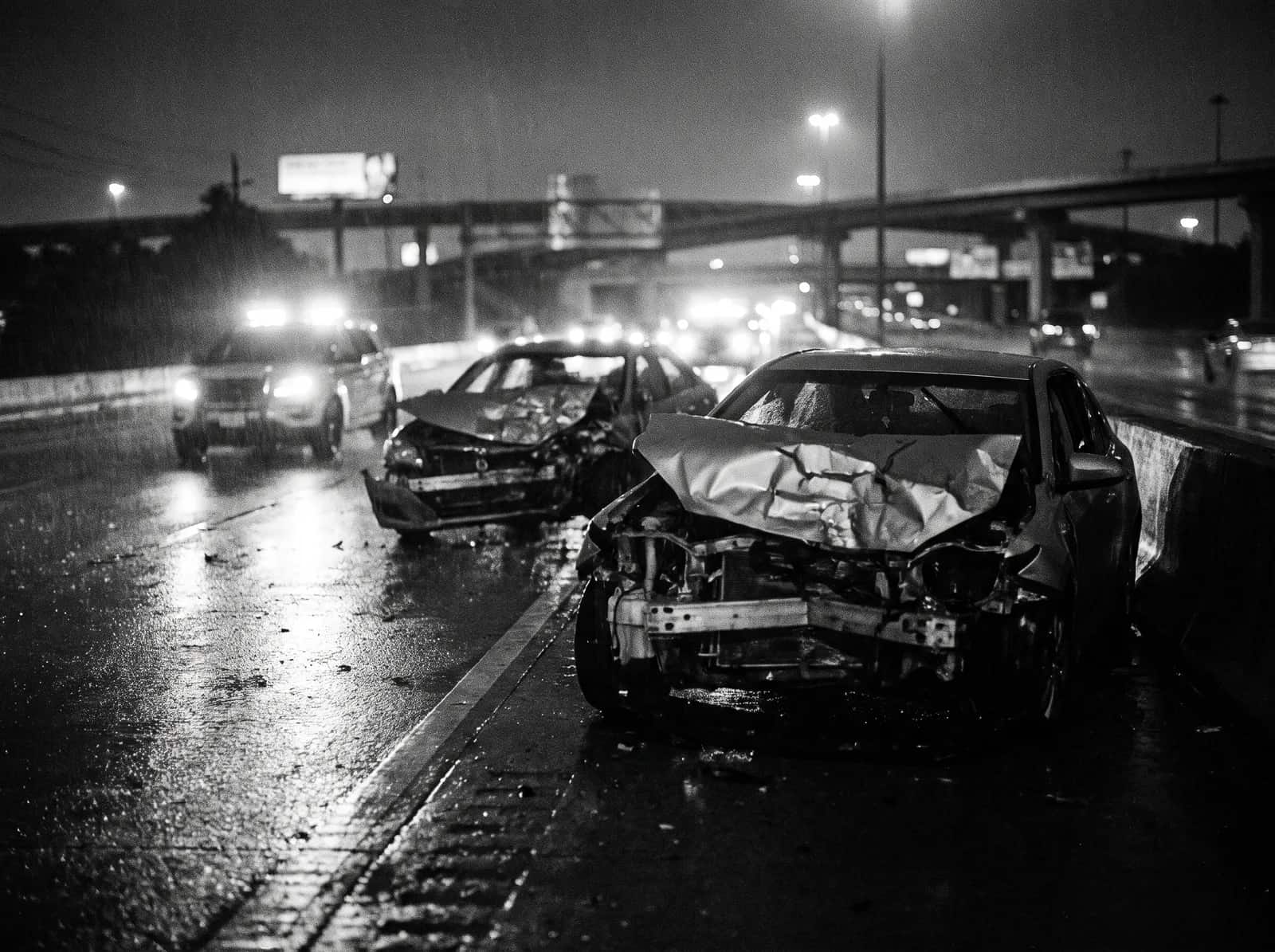
Through the TxDOT Crash Report Online Purchase System, usually about ten days after the crash, for a small fee. The report is Texas form CR-3, and the investigating agency also provides it.
Every Texas peace officer who investigates a crash involving injury, death, or at least $1,000 in property damage must file a CR-3 crash report with TxDOT electronically within ten days (Transportation Code section 550.062). TxDOT makes it available for purchase online, and the investigating department’s records division can also provide it.
The report includes the officer’s diagram, narrative, contributing-factor codes, each driver’s insurance information, and witness names. It is not a legal determination of fault, but insurers rely on it heavily, and errors in it should be corrected early.
If the crash happened in Houston, the Houston Police Department Records Division is the alternative source. Harris County Sheriff and DPS reports go through the same TxDOT system.
Owsley Law Firm obtains the report for every client at no charge and reviews it for errors before the insurer uses it.
What to do, step by step
- Confirm the report number and the agency that investigated, which the officer should have given you at the scene.
- Wait about ten days for the report to be filed and processed.
- Search the TxDOT Crash Report Online Purchase System using the date, county, and a driver name or report number.
- Pay the fee, download the report, and save it with your other claim documents.
- Review it for errors in names, vehicles, insurance, and the narrative, and tell your lawyer about anything wrong.

Access to crash reports in Texas is controlled by statute. Transportation Code Chapter 550 limits who can obtain them to people involved in the crash, their insurers and representatives, and others with a statutory interest. That is why you may need to identify yourself as a party when purchasing the report, and why the report is not freely searchable by strangers.
The contents are more than names and plates. A CR-3 includes contributing factor codes, unit diagrams, road and weather conditions, injury severity codes, and insurance verification. The contributing factor codes are the officer's opinion at the scene, and insurers often treat them as findings even though they are not. Texas courts limit which parts of a report a jury may see, so the report is an investigative tool more than a final word on fault.
Errors do occur, especially in busy scenes with multiple vehicles. Wrong insurance, misidentified drivers, and incomplete narratives are common. A supplemental report can sometimes be requested from the investigating agency, and witnesses or photographs can contradict a mistaken narrative. Do this early, before the insurer builds its position on the original.
If no officer investigated, there is no official report to request: Texas repealed the driver's own crash report requirement in 2017. Your own photographs, notes, and the information you exchanged become the record, so accuracy matters.
Related questions
Why can't I find my report online?
Reports take time to be filed and processed, and the search requires accurate details such as the date, county, and names. If it is still missing after ten days or so, contact the investigating agency's records division.
What if the report has a mistake?
Contact the investigating agency and ask about a supplement or correction, and give your lawyer the evidence that shows the correct facts. Do not ignore an error, because insurers rely on the report's details.
Do I need the report to file a claim?
Not strictly, but it is the document adjusters ask for first, and it identifies the parties and insurance. Obtaining it early helps a claim move and helps a lawyer evaluate fault.
Read next