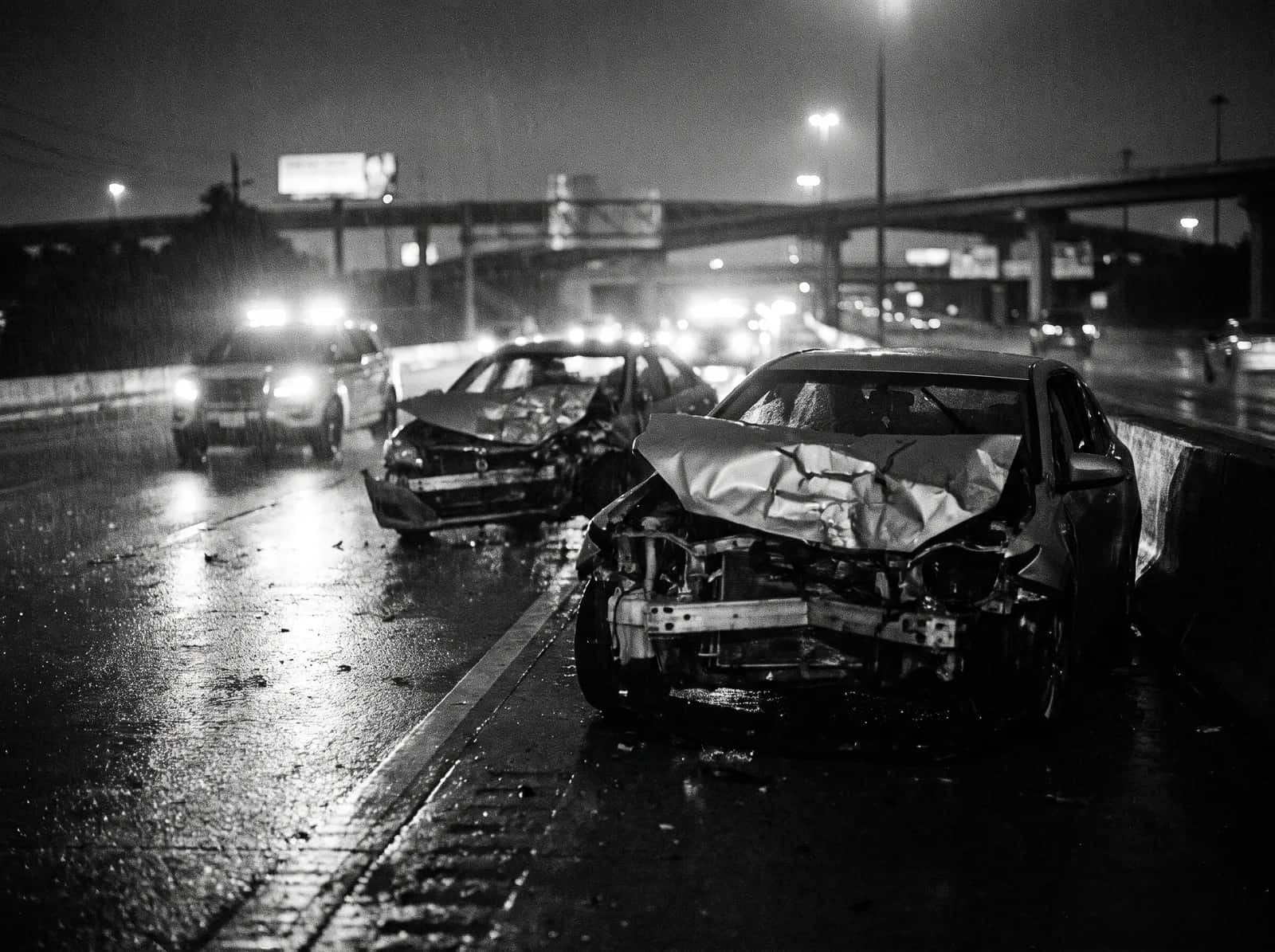

In Texas, a person hurt by a drunk driver can recover full damages from the driver and, when a bar or restaurant overserved them, from that business as well, with punitive damages available for gross negligence. Owsley Law Firm handles all of it and charges no fee unless it wins. Call before speaking with any insurer.
Can I sue a drunk driver in Texas, and what can I recover?
Yes. A driver who causes a crash while intoxicated is liable for the full harm they cause, the same as any negligent driver, and more. Your civil claim can include medical bills already paid and those still to come, lost wages and lost earning capacity, physical pain, mental anguish, physical impairment, disfigurement, and the cost of repairing or replacing your vehicle.
Intoxicated driving is also strong evidence of gross negligence, which opens the door to exemplary (punitive) damages under Chapter 41 of the Texas Civil Practice and Remedies Code. Exemplary damages are meant to punish conduct, not just compensate for it, and they are decided separately from your actual losses. Texas places limits on them, and the rules for proving them are stricter, so the evidence has to be gathered with that claim in mind from the beginning.
Does the drunk driver have to be convicted before I can file a claim?
No. The criminal DWI case and your civil injury claim are separate. The criminal case is brought by the State to punish the driver; your civil claim is yours, and its purpose is to pay for what the crash took from you. A civil jury decides fault by a preponderance of the evidence, a lower standard than the criminal case uses, and it can find the driver responsible whether or not there is ever a conviction.
That said, the criminal file is often the best evidence in your civil case. The arrest report, breath or blood test results, field sobriety video, body camera footage, and any plea or conviction can all be used. The firm requests these records as they become available while keeping your civil case on its own schedule.
Can I sue a bar or restaurant after a drunk driving crash in Texas?
Often, yes. Texas Alcoholic Beverage Code Chapter 2, known as the dram shop law, makes a business that sells alcohol liable when it served a person who was obviously intoxicated to the extent that they presented a clear danger to themselves and others, and that intoxication was a proximate cause of the crash.
These claims matter because the drunk driver often carries only minimum liability insurance, while a bar, restaurant, or club carries a commercial policy. Businesses defend these claims hard. Section 106.14 of the Alcoholic Beverage Code can give an employer a defense when its servers were certified through approved seller-server training and the business did not encourage the violation, so the evidence of how the driver was actually served matters.
- Credit card receipts and bar tabs showing what was ordered and when
- Surveillance video from inside the business and the parking lot
- Witness accounts from other patrons, rideshare drivers, and staff
- Point-of-sale records and staffing schedules for the night
- The time between the last drink and the crash
What about a party host who served the driver?
Texas generally does not make social hosts liable for serving adult guests. There is an important exception: under Chapter 2, an adult who knowingly serves or provides alcohol to a person under 18, or knowingly allows it on property they control, can be liable for the harm that minor causes. When an underage driver caused your crash, the firm looks at where the alcohol came from.
Who pays if the drunk driver has no insurance or too little?
Drunk drivers are disproportionately uninsured or carry only the Texas minimum of 30/60/25. Your own uninsured/underinsured motorist coverage under Insurance Code section 1952.101 can pay what the driver’s policy does not, and personal injury protection under section 1952.152 pays early medical bills and lost wages regardless of fault. Both are part of your policy unless you rejected them in writing.
The firm also looks at whether the driver was using someone else’s vehicle, was working at the time, or was coming from a business that overserved them, because each can add a source of recovery.
What evidence matters most in a drunk driving injury case?
Much of the strongest evidence is time-sensitive. Business video is overwritten, witnesses scatter, and the vehicles are repaired or salvaged. The firm sends preservation letters early and collects:
- The crash report and the officer’s intoxication observations
- Breath or blood test results and the arrest record
- Body camera and dash camera footage
- Event data from the vehicles showing speed and braking
- Medical records connecting your injuries to the crash
What should I do after being hit by a drunk driver?
Get medical care first, and tell the provider you were in a crash. Make sure police come to the scene and note anything you observed about the other driver: the smell of alcohol, slurred speech, open containers, or unsteady walking. Write down the names of witnesses and anyone who was with the driver. If the driver mentioned where they had been drinking, write that down too, because it may identify a business that overserved them. Do not give a recorded statement to the other driver’s insurer before speaking with a lawyer.
How long do I have to file a drunk driving injury claim in Texas?
The deadline to file a personal injury lawsuit is generally two years from the date of the crash under Civil Practice and Remedies Code section 16.003. For a family that lost someone, the wrongful death deadline generally runs two years from the date of death. Criminal cases can take longer than that, so the civil claim cannot wait for the criminal case to finish.
Crime victims also have rights in the criminal case, including the right to be informed and to seek restitution. Those rights do not replace a civil claim, which is usually the only way to recover the full value of a serious injury.
Common questions
What clients ask about drunk driving accidents.
Can I sue a drunk driver in Texas even if they were not convicted?
Yes. A civil claim is separate from the criminal case and uses a lower standard of proof. The driver can be found responsible in civil court whether or not there is a conviction.
Can I sue the bar that served the drunk driver?
Often, under the Texas dram shop law in Alcoholic Beverage Code Chapter 2, if the business served the driver when they were obviously intoxicated and presented a clear danger, and that caused the crash.
Are punitive damages available after a drunk driving crash?
They can be. Intoxicated driving is strong evidence of gross negligence, which supports exemplary damages under Chapter 41. Texas limits these damages and requires clear and convincing evidence.
What if the drunk driver had no insurance?
Your own uninsured motorist coverage and personal injury protection usually apply, and the firm looks for other policies, such as an employer’s or the vehicle owner’s, and any dram shop claim.
Do I have to testify in the criminal case?
You may be asked to by the prosecutor. Your civil claim proceeds separately, and the firm can help you understand your rights as a victim in the criminal process.