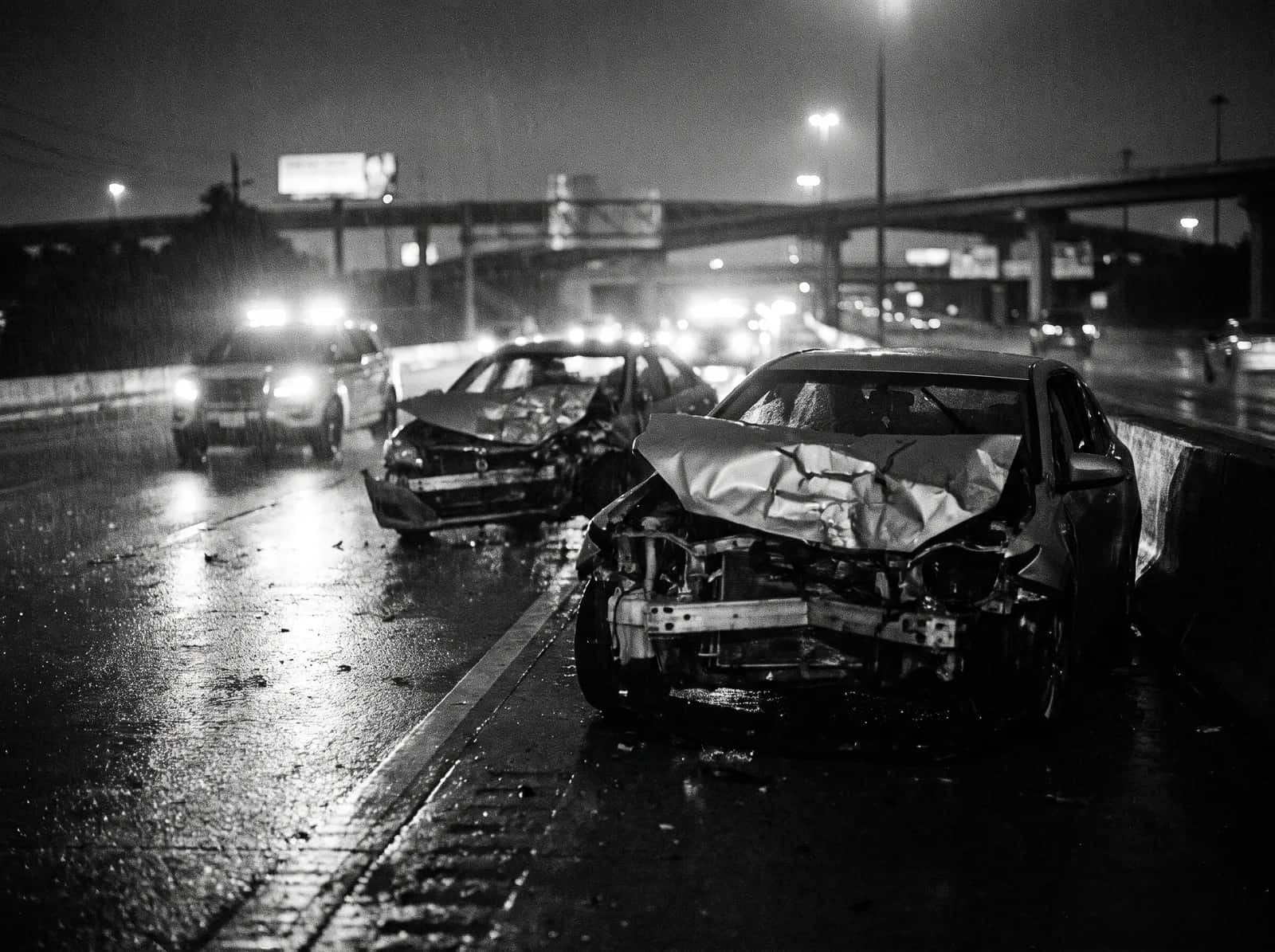

In Texas, the driver who strikes a vehicle from behind is almost always at fault for following too closely or failing to control speed, and the fight is usually over how badly you were hurt. Owsley Law Firm documents the injury from the first visit forward and charges no fee unless it wins. Get examined the same day and call.
Who is at fault in a Texas rear-end collision?
Usually the trailing driver. Texas Transportation Code section 545.062 requires a driver to keep a distance that allows a safe stop, considering speed, traffic, and road conditions, and section 545.351 requires drivers to control speed so they can avoid a collision. A rear-end crash is strong evidence that the trailing driver violated one or both.
Exceptions exist, and insurers look for them: a lead car that suddenly reversed, a vehicle that cut in and braked, brake lights that did not work, or a chain reaction started by someone else. Under Chapter 33 proportionate responsibility rules, any fault assigned to you reduces your recovery, so the facts still have to be proven.
In Houston’s stop-and-go freeway traffic, sudden slowdowns are predictable, and the law expects drivers to leave room for them. A trailing driver’s claim that traffic stopped suddenly is usually not a defense, because the following-distance rule exists precisely for that situation.
Why does the insurer dispute my injury if fault is clear?
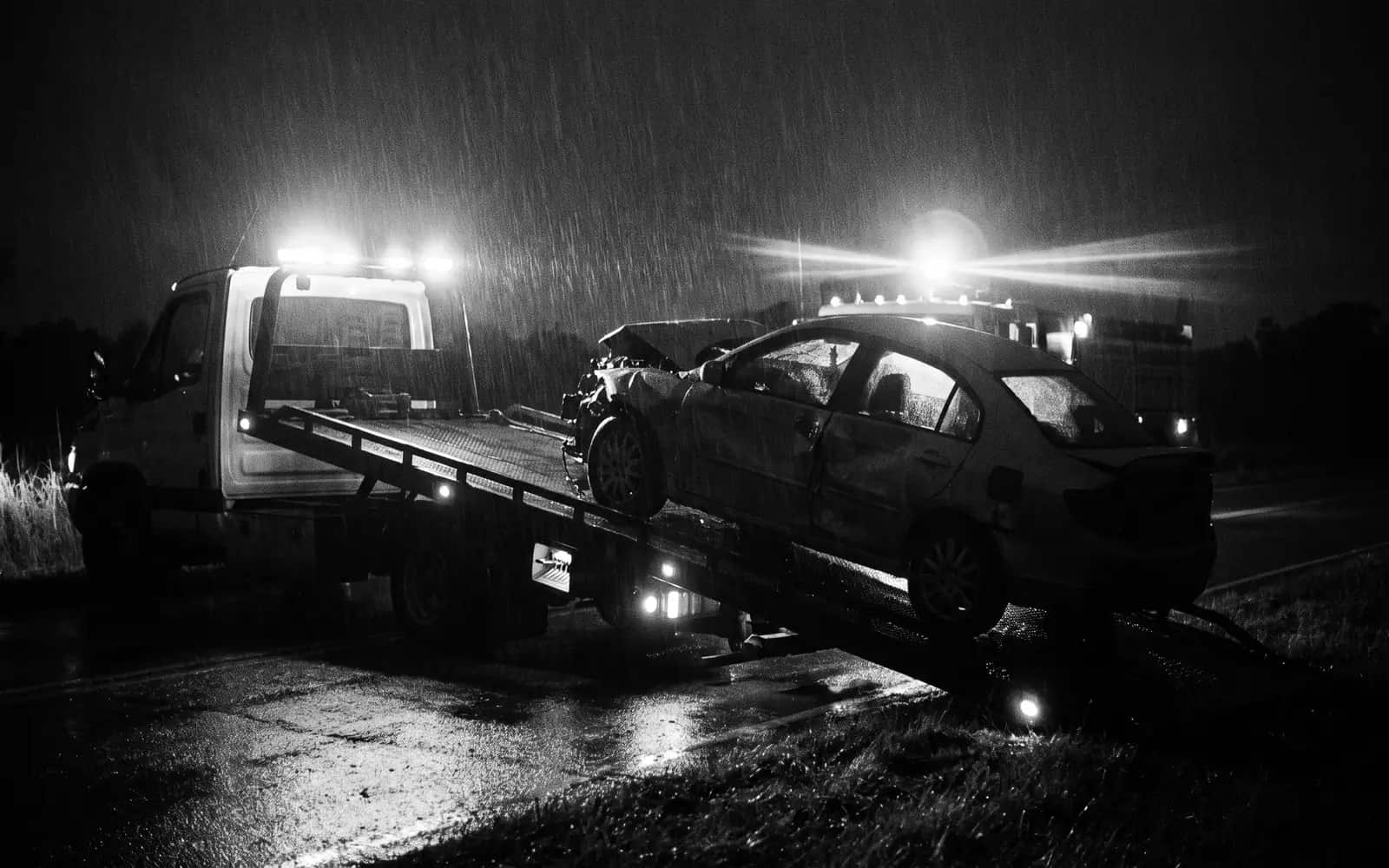
Because fault is hard to contest, adjusters attack the injury instead. Common arguments include a low-speed impact, minimal vehicle damage, a gap before treatment, or a preexisting condition. None of these decides the case on its own. Bumpers are designed to absorb impact without visible damage, while the occupant’s neck and spine absorb the rest.
- Same-day or next-day medical evaluation
- Consistent treatment without long gaps
- Imaging, such as MRI, when symptoms warrant it
- A treating physician’s opinion connecting the crash to the injury
- Photos of both vehicles and the scene
What injuries are common in rear-end crashes?
Whiplash and other soft tissue injuries of the neck and upper back are the most common, but rear-end crashes also cause herniated and bulging discs in the cervical and lumbar spine, concussions from the head striking the headrest or window, shoulder injuries from the seat belt, and wrist and hand injuries from bracing on the steering wheel. Symptoms of disc injuries and concussions often build over days, which is why a prompt exam matters even if you feel fine at the scene.
Even moderate rear impacts can cause lasting problems. A disc herniation may require injections or surgery, and post-concussion symptoms such as headaches, memory problems, and sensitivity to light can last for months. Your claim should reflect the future care your doctors expect, not just the bills to date.
What if I had a prior neck or back problem?
Texas law allows recovery for the aggravation of a preexisting condition. If the crash made an old injury worse, or turned a condition that caused no symptoms into one that does, the worsening is part of your damages. Prior medical records help here rather than hurt: they show what your baseline was before the crash.
Who is responsible in a chain-reaction crash?
On Houston freeways such as I-10, I-45, US-59, and the 610 Loop, rear-end crashes often involve three or more vehicles. Determining which impact caused which injury, and which driver started the chain, requires event data, photographs of each vehicle’s damage pattern, and sometimes accident reconstruction. Multiple drivers mean multiple insurers, and each can share responsibility under Chapter 33.
The middle vehicle in a chain-reaction crash is often struck twice, once from behind and once when it is pushed into the car ahead. Separating the injuries from each impact is difficult, and it is one reason the insurers in these cases try to point at each other. Your claim can proceed against every driver who contributed.
What if the driver who hit me was working?
Delivery vans, service trucks, and company cars cause many rear-end crashes in stop-and-go traffic. When the driver was working, the employer is generally responsible as well and usually carries a larger commercial policy. Commercial vehicles may also have dash cameras and telematics that record speed and following distance.
The employer’s records, including dispatch logs and driver training files, can show whether the company pushed drivers to rush or ignored a history of unsafe driving.
What should I do after being rear-ended?
Photograph both vehicles, including the front of the car that hit you, the scene, and any skid marks. Get the other driver’s information and the names of witnesses. Ask whether the other vehicle has a dash camera. Even if you feel fine, get examined within a day, because neck, back, and head symptoms often appear later. Follow through with treatment, keep a short journal of your symptoms and missed work, and do not discuss your injuries with the other driver’s insurer until you know what they are.
How long do I have to file?
The general deadline to file suit is two years from the crash under Civil Practice and Remedies Code section 16.003. Insurers often make quick offers in rear-end cases before the full extent of an injury is known. Once you sign a release, the claim is over, even if you later need surgery.
Common questions
What clients ask about rear-end accidents.
Is the rear driver always at fault in Texas?
Almost always, because Texas requires drivers to keep a safe following distance. Rare exceptions include a sudden reversal or a car that was cut off. The insurer will look for one.
My car barely has a scratch. Do I have a case?
Vehicle damage does not measure injury. Bumpers absorb impact by design while the occupant’s neck does not. Medical evidence, not photos of the bumper, decides these cases.
What if I had a prior neck or back problem?
Texas law allows recovery for aggravation of a preexisting condition. Your prior records help show the difference the crash made.
Should I accept the insurer’s first offer?
Not before you know the full extent of your injury. Disc injuries and concussions can take weeks to fully show, and a release ends the claim permanently.
What if I was rear-ended by a company vehicle?
The employer is generally responsible for an employee driving for work, and commercial policies are usually larger. Telematics and camera data may also exist.