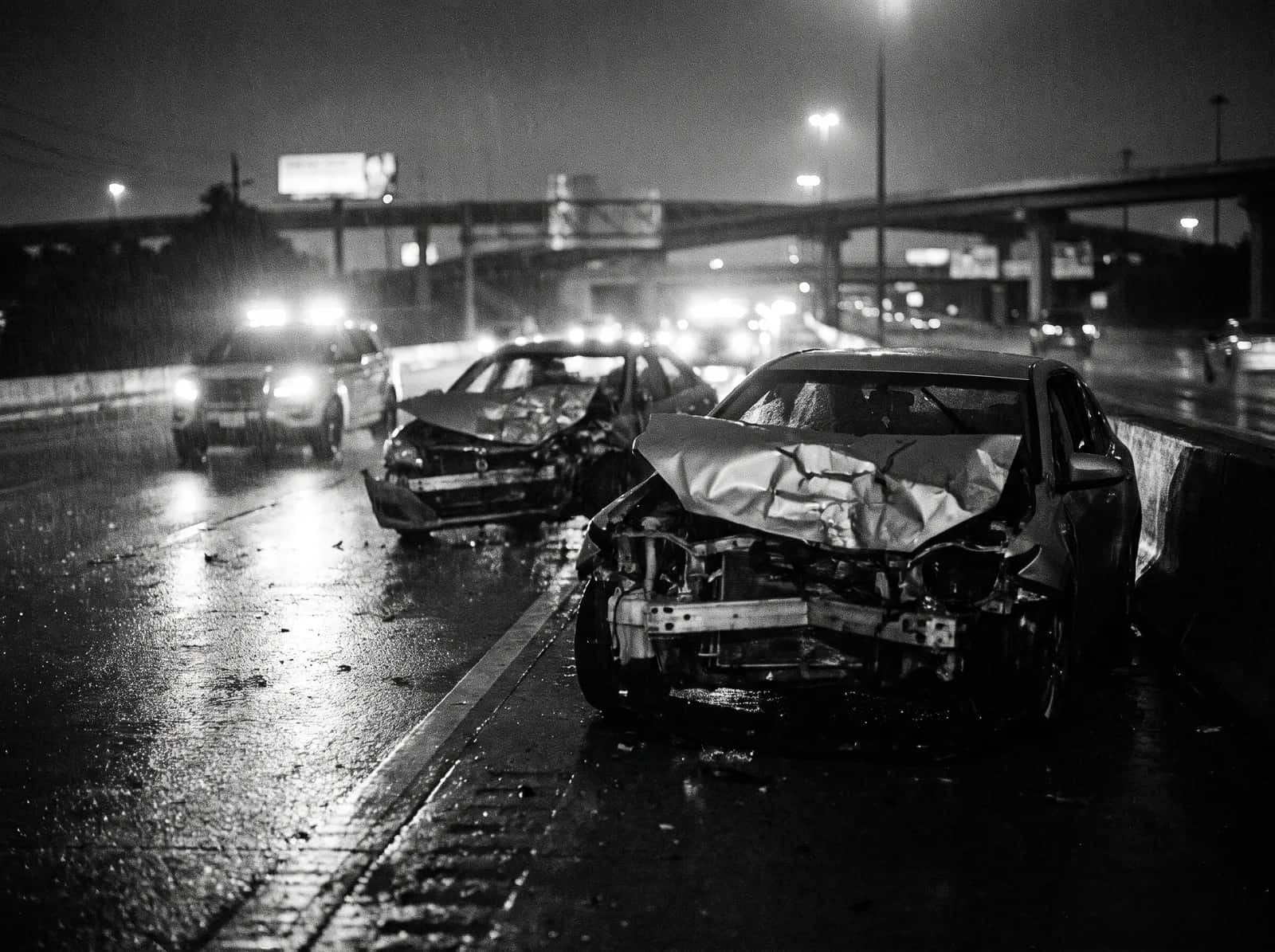

In Texas, a driver who hits a pedestrian in a crosswalk or fails to keep a proper lookout is liable for the injuries, and the pedestrian’s own auto policy often provides additional coverage. Owsley Law Firm handles pedestrian cases, which usually involve serious injuries, and charges no fee unless it wins. Call before the driver’s insurer calls you.
Do pedestrians have the right of way in Texas?
In crosswalks and at signals, yes. Transportation Code section 552.003 requires a driver to yield to a pedestrian in a crosswalk when there is no traffic signal in operation and the pedestrian is on the driver’s half of the roadway or approaching closely enough to be in danger. At signalized intersections, pedestrians follow the walk signals under section 552.002.
Outside a crosswalk, a pedestrian generally must yield to vehicles. But section 552.008 requires every driver to exercise due care to avoid colliding with a pedestrian, regardless of who had the right of way. A driver who could have stopped and did not is still responsible.
Drivers must also yield to pedestrians on sidewalks when entering or leaving a driveway, alley, or parking lot, and a driver may not pass a vehicle that has stopped to let a pedestrian cross. These rules are part of the Texas Transportation Code and are evidence of the driver’s duty in a civil claim.
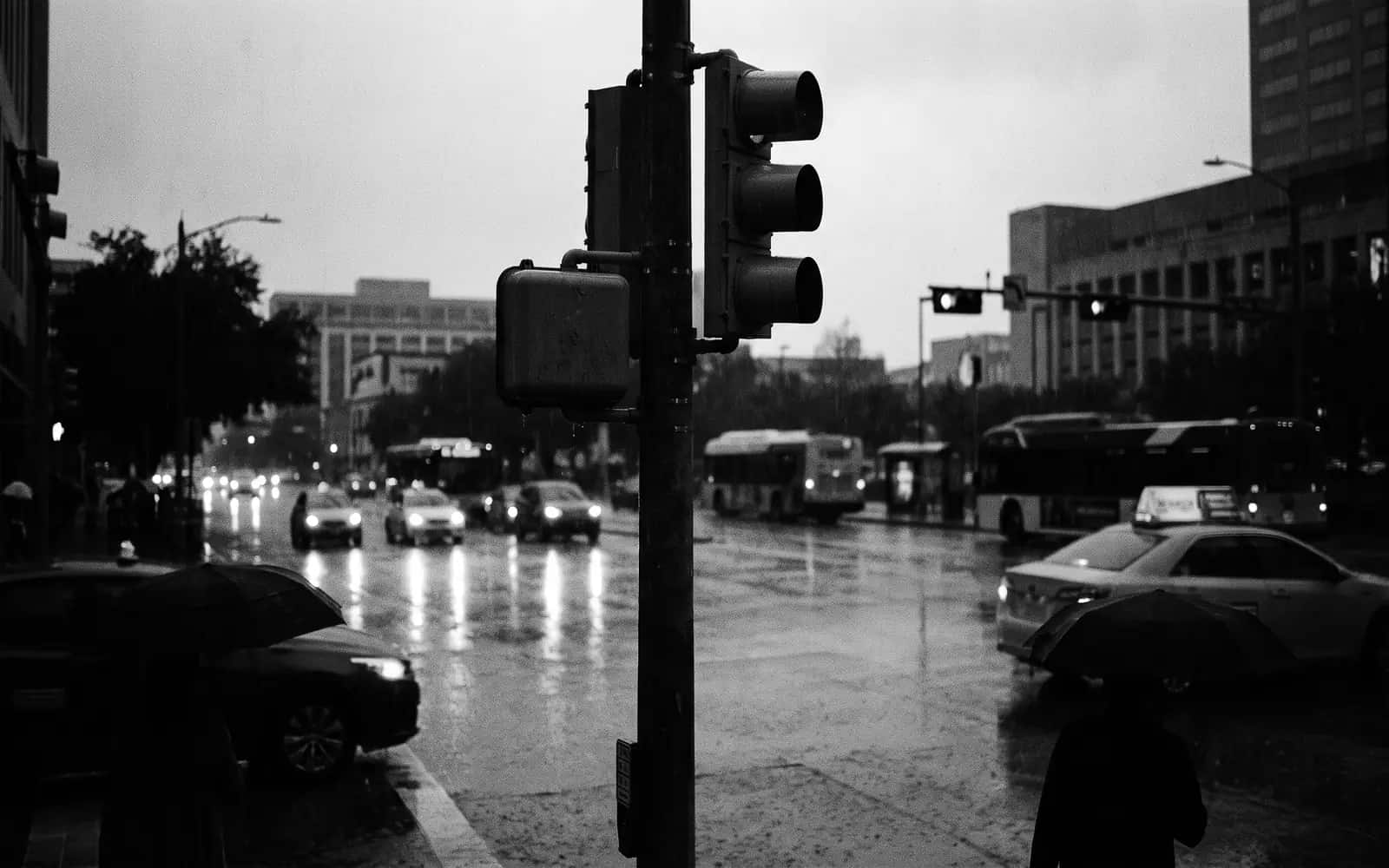
Who is at fault when a pedestrian is hit outside a crosswalk?
Fault is shared in many of these cases, and Texas proportionate responsibility under Chapter 33 decides how. A pedestrian who crossed mid-block may be assigned some percentage of fault, which reduces the recovery, but the pedestrian can still recover if they were 50 percent or less responsible. Speed, lighting, the driver’s attention, and how long the pedestrian was visible usually decide the percentages.
Drivers turning right on red are a common cause of pedestrian crashes, because they look left for traffic and never look right for people in the crosswalk. Drivers backing out of parking spaces and driveways are another. In both, the driver had a duty to look and did not.
What coverage applies when I was hit while walking?
Most people do not know how much coverage they have as a pedestrian.
- The driver’s liability policy, which pays for the driver’s fault
- Your own uninsured/underinsured motorist coverage under Insurance Code section 1952.101, which can apply even though you were not in a car
- Your own personal injury protection under section 1952.152, which pays early medical bills and lost wages
- A household member’s auto policy that covers you
- The driver’s employer’s policy if the driver was working
- Rideshare coverage if the driver was logged into Uber or Lyft
Why are pedestrian injuries so severe?
A pedestrian has no protection. Common injuries include traumatic brain injuries, fractures of the legs, pelvis, and arms, spinal injuries, and internal injuries. Many require surgery, long rehabilitation, and time away from work, and some are permanent. Because driver policies are often small compared to these losses, the pedestrian’s own coverage frequently matters most.
Children and older adults are especially vulnerable. For a child, the claim includes the long-term effects of the injury on growth, schooling, and future earning capacity. For an older adult, a hip or pelvic fracture can mean a permanent loss of independence. The full value of these losses has to be documented with medical opinions about the future, not only the bills already incurred.
How do insurers try to blame the pedestrian?
Common arguments are that the pedestrian darted out, wore dark clothing, crossed against the signal, or was distracted. The evidence that answers them:
- Business and traffic camera video
- Lighting conditions at the location and time
- The driver’s speed from the vehicle’s event data recorder
- The driver’s phone records
- Witness accounts and the crash report diagram
Where do pedestrian crashes happen in Houston?
Many happen on wide, fast arterial roads with long distances between crosswalks, such as Westheimer, Bissonnet, and Bellaire, along freeway frontage roads, and near transit stops where people cross to reach a bus. Poor street lighting and missing sidewalks can also play a role, and when a government entity is responsible for a dangerous condition, a Texas Tort Claims Act claim with short notice deadlines may be involved.
What should I do after being hit by a car while walking?
Call 911 and get medical care, even if you can stand and walk; internal injuries and head injuries are not always obvious. If you are able, get the driver’s name, license plate, and insurance information, and the names of witnesses. Photograph the location, the crosswalk or lack of one, the lighting, and the vehicle. Note any cameras nearby. Notify your own auto insurer, because your UM/UIM and PIP coverage may apply. Do not give a recorded statement to the driver’s insurer before talking to a lawyer, since pedestrian claims often turn on small details about where you were and when.
How long do I have to file?
The general deadline is two years from the crash under Civil Practice and Remedies Code section 16.003. For a family that lost someone, the wrongful death deadline generally runs two years from the date of death.
If a government vehicle or a dangerous public road condition was involved, Texas Tort Claims Act notice deadlines can be much shorter, sometimes a few months. Those claims need to be identified right away.
Common questions
What clients ask about pedestrian accidents.
Do pedestrians always have the right of way in Texas?
No. Pedestrians have the right of way in crosswalks and at signals; outside them, they must yield. But every driver must use due care to avoid hitting a pedestrian regardless.
I was hit while walking and have no car insurance. Am I covered?
The driver’s liability policy applies. A household member’s auto policy may also cover you, and the firm looks for every source.
Does my car insurance cover me as a pedestrian?
Often yes. Your uninsured/underinsured motorist coverage and personal injury protection can apply even though you were not in a vehicle.
Can I recover if I was crossing outside a crosswalk?
Possibly. Under Chapter 33 your recovery is reduced by your share of fault, and you can recover if you were 50 percent or less responsible.
What if the driver who hit me drove away?
It is a hit and run. Report it to police immediately; your own uninsured motorist coverage may apply if the driver is not found.