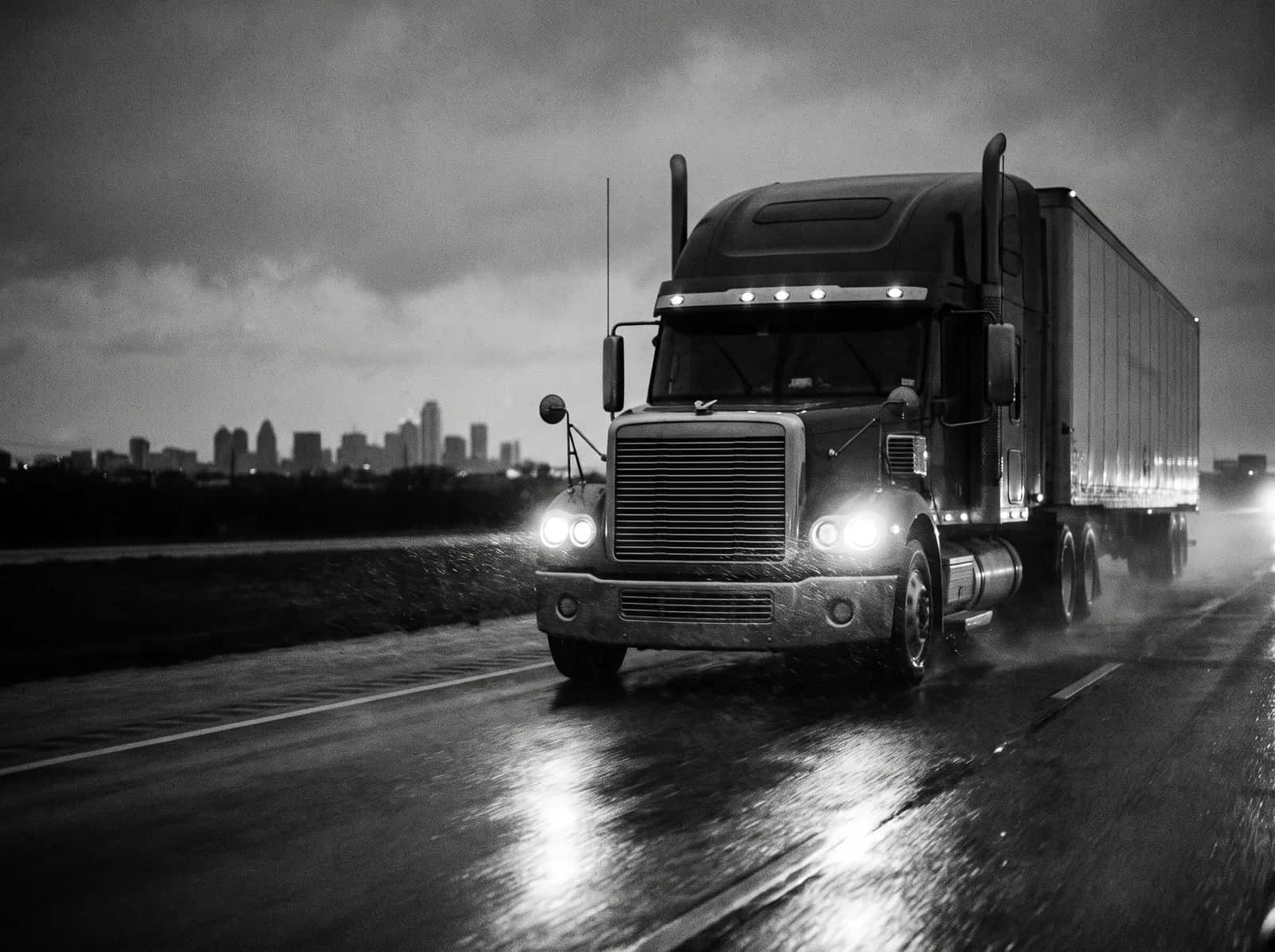

In Texas, a crash with a commercial vehicle such as a work pickup, plumbing or HVAC van, utility truck, or company car is usually a claim against the driver and the employer, because a business is generally responsible for employees driving on the job. Commercial auto policies are often larger than personal policies. Owsley Law Firm identifies the employer and coverage and charges no fee unless it wins.
What counts as a commercial vehicle crash?
Any vehicle used for business can make a crash a commercial claim. That includes contractors' pickups and trailers, service vans, utility and cable trucks, landscaping rigs, company cars driven by sales staff, and personal vehicles used for work errands. The question is less about the vehicle's size than about whether the driver was working when the crash happened.
When is an employer responsible for an employee's crash?
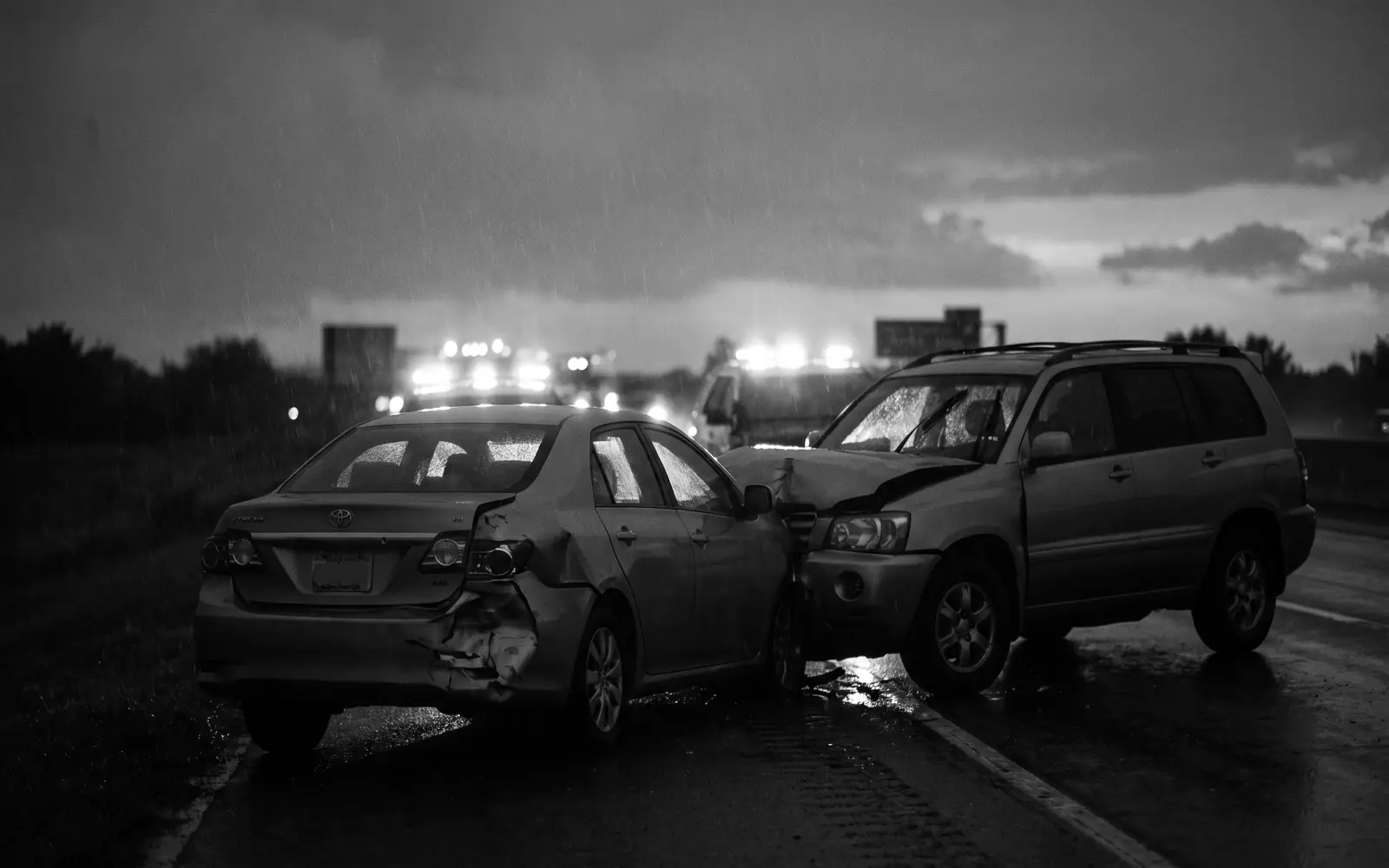
Under respondeat superior, an employer is generally responsible for an employee's negligence within the course and scope of employment. Driving a company vehicle on a service call clearly qualifies. Commuting to and from work usually does not, though there are exceptions. Running a work errand in a personal car can qualify. These distinctions are often contested, and job duties, phone records, and dispatch logs answer them.
What if the employer was negligent too?
A business can also be directly responsible for its own decisions.
- Letting an employee with a poor driving record use a company vehicle
- Failing to maintain fleet vehicles
- Overloading a work trailer or failing to secure tools and materials
- Setting schedules that require speeding between jobs
- Encouraging phone use while driving to take calls and dispatches
Do commercial vehicle safety rules apply?
Larger work trucks, those with trailers, and vehicles used in interstate commerce can fall under federal or Texas commercial vehicle safety rules depending on weight and use. Even when those rules do not apply, the company's own fleet policies and Texas negligence law set expectations for safe operation.
What insurance applies to a commercial vehicle crash?
Businesses typically carry commercial auto policies with higher limits than personal policies, and many carry umbrella coverage. When an employee drives a personal vehicle for work, the employer's hired and non-owned auto coverage may apply in addition to the employee's personal policy. Identifying all of it requires asking the right questions early.
What evidence should be gathered?
Photograph the vehicle's company name, logo, phone number, and unit number. Note any equipment or trailer involved. Fleet telematics, GPS, work orders, and dispatch records can establish whether the driver was on the job and how the vehicle was driven. A written preservation demand protects that data.
What injuries do work vehicle crashes cause?
Heavy-duty pickups, utility trucks, and loaded vans are heavier and higher than most cars, and many tow trailers or carry tools and materials that can become projectiles. Crashes cause neck and back injuries, shoulder and knee injuries, fractures, and head injuries. Trailer sway and detached trailers cause their own serious crashes on highways and frontage roads.
Documenting injuries with prompt care and follow-up treatment matters because commercial insurers evaluate claims carefully and often challenge gaps in treatment.
What should you do after a crash with a work vehicle?
Photograph the vehicle, any company name and phone number on its sides, the trailer and its load, and the license plate. Ask the driver for their employer's name. Note whether the driver appeared to be on a job, for example wearing a uniform or carrying equipment, since that helps establish the scope of employment.
Report the crash to police, get medical care, and avoid giving recorded statements to the company's insurer before getting advice.
What damages can be recovered?
Injured people can recover medical expenses, lost income, loss of earning capacity, physical pain, mental anguish, impairment, and disfigurement, along with property damage and loss of use of their vehicle.
Because commercial policies tend to have higher limits than personal policies, establishing that the driver was working can change the value of the case significantly. That is why the scope-of-employment question is investigated thoroughly with records rather than accepted from the driver's or the company's first account.
What about crashes involving work trailers?
Contractors and landscapers tow trailers that detach, sway, or lose equipment on Texas highways and frontage roads. Safety chains, hitch ratings, trailer lights, and load placement are the usual issues. A trailer that broke free often points to a hitch or chain problem the driver or company should have caught, and the employer is generally responsible when the trailer was being used for work.
Equipment that falls from an open trailer, such as mowers, ladders, or tools, can be treated much like loose cargo from a truck, and the same evidence matters: photographs of the trailer, the restraints, and the debris.
How long do I have to file?
Texas generally allows two years under section 16.003 of the Civil Practice and Remedies Code. If the vehicle belonged to a government entity, much shorter notice deadlines may apply under the Texas Tort Claims Act.
Common questions
What clients ask about commercial vehicle crashes.
The driver was in a company truck but says he was on a personal errand. Does the company still pay?
It depends on the facts. Company policies, timing, and records determine whether the trip was within the scope of the job.
What if the driver used their own car for work?
The employer can still be responsible, and its non-owned auto coverage may apply.
Are company vehicles required to carry more insurance?
Commercial policies usually have higher limits, and many businesses carry umbrella coverage.
Can I recover if the company says the driver was a contractor?
Possibly. The label is not decisive, and the actual relationship is investigated.
Does my own insurance still matter if a company vehicle hit me?
Yes. Your personal injury protection and uninsured motorist coverage can help with medical bills and gaps in coverage.
What does the firm charge?
No fee unless it wins.