

When a commercial truck crash kills someone in Texas, the spouse, children, and parents can bring a wrongful death claim, and the estate can bring a survival claim. Trucking companies carry larger insurance policies than ordinary drivers and are responsible for their drivers and their safety practices. Owsley Law Firm handles fatal truck cases for Texas families and charges no fee unless it recovers.
Who can file a wrongful death claim after a fatal truck crash?
Under Chapter 71 of the Texas Civil Practice and Remedies Code, a wrongful death claim belongs to the surviving spouse, children, and parents of the person who died. They may bring it together or separately. Brothers and sisters are not wrongful death beneficiaries under Texas law.
A separate survival claim belongs to the estate under section 71.021. It recovers what the person who died could have recovered had they lived, such as medical expenses and the pain they suffered before death, along with funeral expenses.
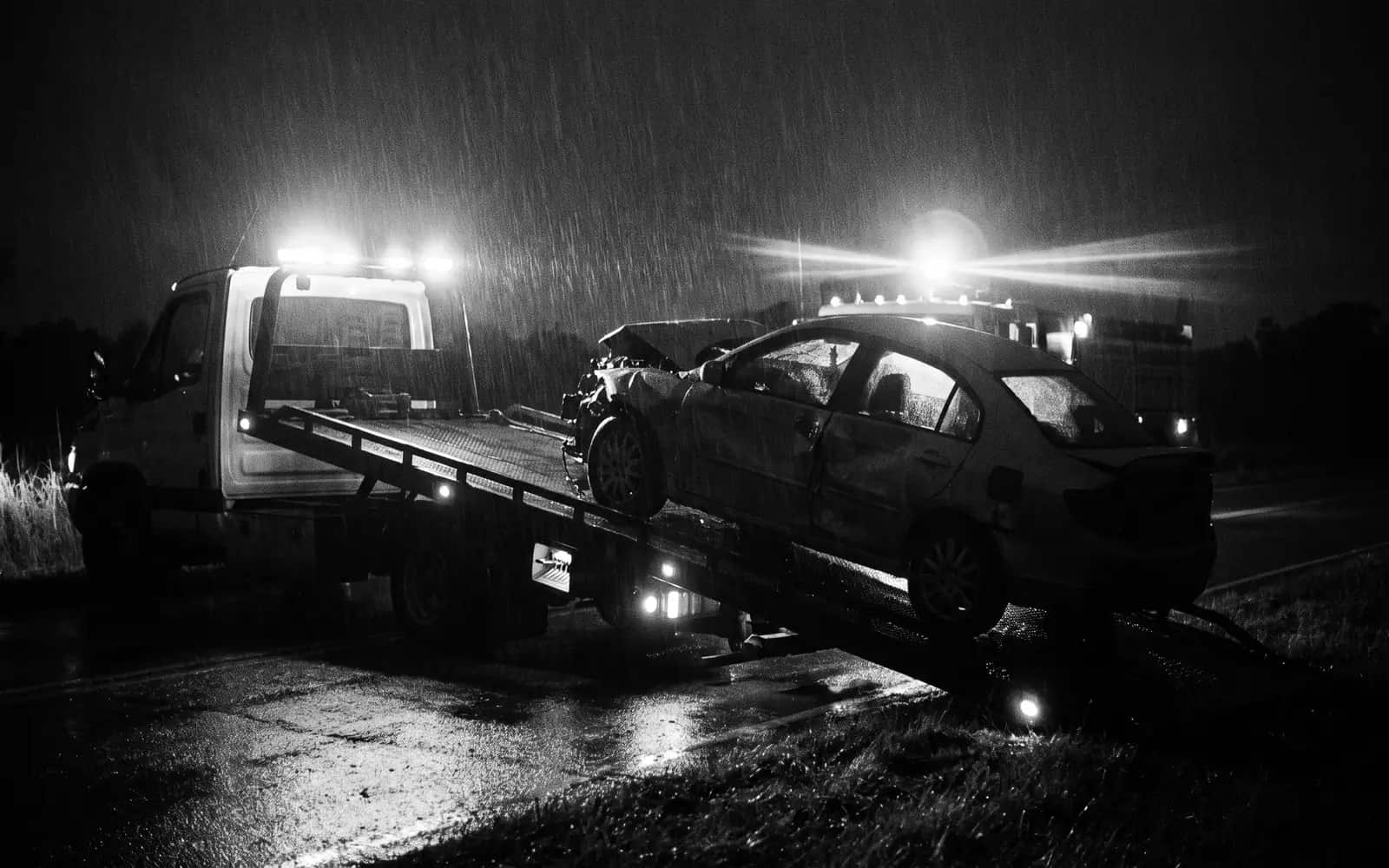
Who is responsible when a truck driver causes a death?
The truck driver, and very often the trucking company. A motor carrier is generally responsible for a driver acting within the scope of the job, and it can also be responsible for its own decisions: hiring a driver with a poor record, pushing schedules that violated hours-of-service rules, or skipping maintenance.
- The truck driver
- The motor carrier that operated the truck
- The owner of the truck or trailer, if different
- The shipper or loader, if cargo loading contributed
- A maintenance contractor or parts manufacturer, if equipment failed
Why does a fatal truck case need fast action?
Trucking companies often send investigators to the scene quickly. The evidence that matters most, including the truck’s electronic logging device data, engine control module data, dashcam video, dispatch records, and the driver’s qualification file, is held by the company.
The firm sends a preservation letter as soon as it is retained, demanding that this evidence be kept. Federal rules require carriers to keep some records only for limited periods, so delay can mean loss.
How much insurance does a trucking company carry?
Interstate motor carriers hauling general freight must carry at least $750,000 in liability coverage under 49 CFR 387.9, and many carry more. Carriers hauling certain hazardous materials must carry higher amounts. That is far more than the $30,000 per person minimum for a passenger car, which matters when a death has taken away a family’s income and future.
The firm identifies every policy, including excess and umbrella coverage, from the carrier’s filings and discovery.
What can a family recover?
A wrongful death claim compensates the family for what they lost. A survival claim compensates the estate for what the person who died suffered before death. Exemplary damages may also be available under Chapter 41 when the carrier or driver acted with gross negligence, subject to the limits in that chapter.
- Lost financial support and contributions to the household
- Loss of companionship, care, and guidance
- The family’s mental anguish
- Medical and funeral expenses (through the estate)
- The pain the person suffered before death (through the estate)
How do Texas fault rules apply in a fatal crash?
Texas uses proportionate responsibility under Chapter 33. If the person who died is found partly at fault, the family’s recovery is reduced by that percentage, and barred if it exceeds 50 percent. Trucking defense teams commonly argue the other driver made a sudden move. The physical evidence and the truck’s own data are how those arguments are tested.
How long does the family have?
A wrongful death lawsuit generally must be filed within two years of the date of death under section 16.003. Grief makes deadlines hard to think about, which is why the firm takes on the work of preserving evidence and tracking deadlines so the family does not have to.
What does a family need to do in the first weeks?
The family’s first job is to grieve, and nothing about the legal process requires them to make decisions immediately. A few early steps protect the claim: keep the crash report number, keep any documents from the hospital and funeral home, and do not sign releases or give recorded statements to the trucking company’s insurer.
Trucking insurers sometimes contact families quickly with offers. An early offer is made before the evidence is gathered and before the full loss is understood, and accepting it ends the claim. The firm reviews any offer at no cost and explains what the case is likely to involve before the family decides anything.
Where do fatal truck crashes happen in Texas?
Texas has more highway miles than any other state, and heavy freight moves constantly on I-10, I-45, I-35, I-20, and US-59/I-69. In the Houston area, the port traffic on Loop 610 East, SH 225, and Beltway 8, and the refinery and petrochemical traffic around Pasadena, Baytown, and Texas City add tanker and hazmat trucks to commuter traffic. Oilfield routes in the Permian Basin and Eagle Ford carry heavy truck traffic on two-lane highways.
The location decides which agency investigated, which federal and state records apply, and which court the family’s case belongs in.
Common questions
What clients ask about fatal truck crashes.
Can we bring a claim if our loved one died weeks after the crash?
Yes. A death caused by crash injuries supports a wrongful death claim even if it happened later. The two-year deadline generally runs from the date of death.
Do we need to open an estate?
For the survival claim, the estate is usually represented by an executor or administrator. The firm explains when that is required and how it works.
Can grandparents or siblings file a wrongful death claim?
Under Texas law, the wrongful death beneficiaries are the spouse, children, and parents. Others may have a role through the estate.
Will this have to go to trial?
Many cases resolve without trial once the evidence is developed, but the firm prepares every case as if it will be tried.
What does it cost the family?
Nothing up front. Owsley Law Firm handles wrongful death cases on contingency and charges no fee unless it recovers.