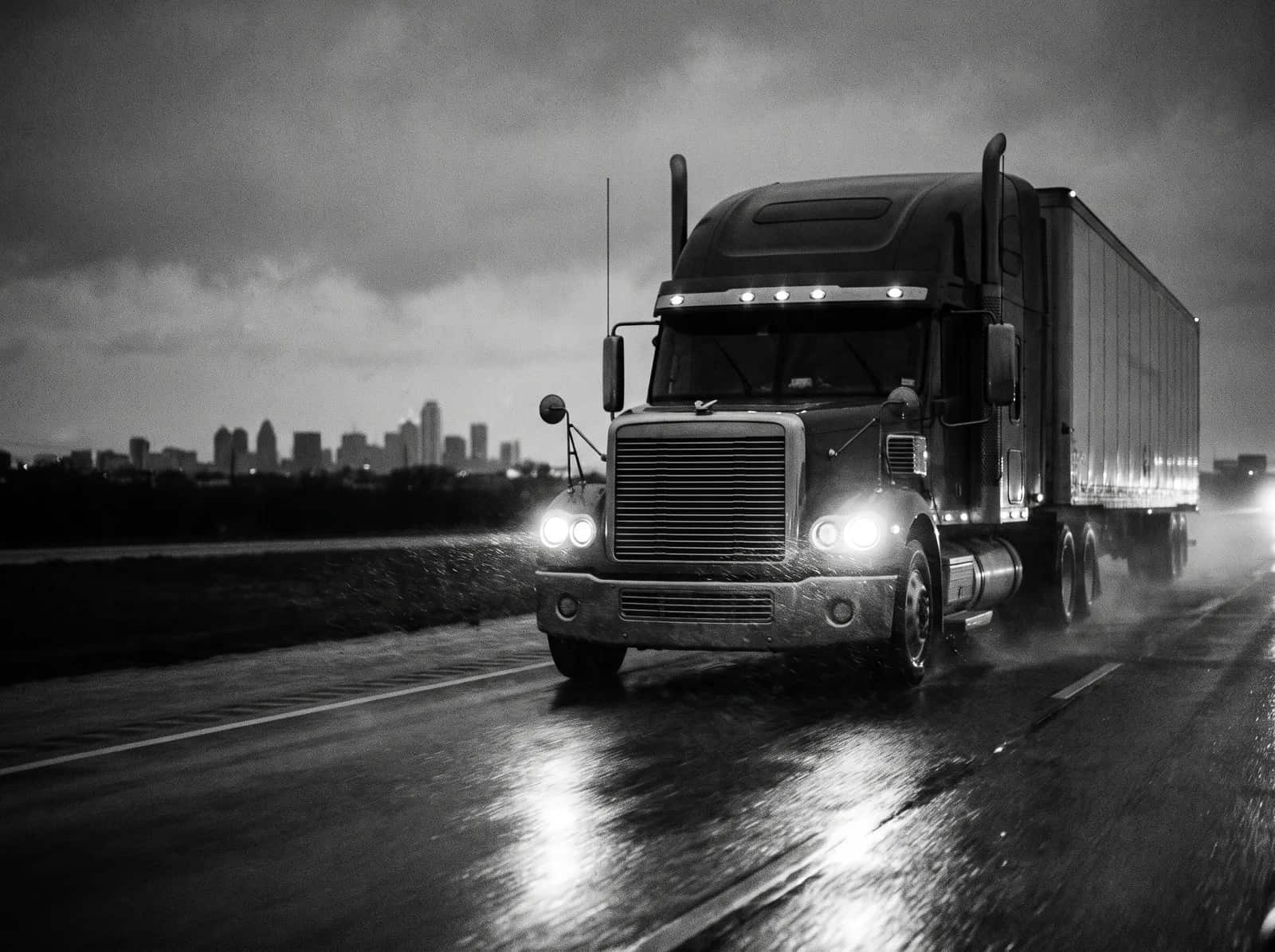

Fort Worth is one of the largest freight and logistics hubs in Texas, with the Alliance logistics area in the north along I-35W and heavy truck traffic on I-30, I-20, and Loop 820. An 18-wheeler case here can involve the driver, the carrier, a shipper, and a logistics company, each with separate insurance. Owsley Law Firm handles Tarrant County truck cases and charges no fee unless it wins.
Why does Fort Worth have so much truck traffic?
North Fort Worth is home to the Alliance logistics hub, a large concentration of warehouses, rail yards, and an industrial airport along I-35W. Trucks run between it and the rest of the state on I-35W, through downtown on the I-30 and I-35W interchange, and around the city on Loop 820. I-20 carries freight across the south side toward Dallas and West Texas.
Fast growth in the suburbs along I-35W, US-287, and the Chisholm Trail Parkway puts more commuters on the same roads every year.
- Rear-end crashes in I-35W congestion between Alliance and downtown
- Merge crashes at the I-30 and I-35W interchange
- Wide-turn and backing crashes at Alliance-area warehouses
- Lane-change crashes on Loop 820 and I-20

Who is responsible when a warehouse-bound truck crashes?
Freight moving to and from distribution centers often involves several companies: the motor carrier, a freight broker, the shipper or warehouse that loaded the trailer, and sometimes a company that leased the tractor or trailer. Each can carry its own insurance and its own share of responsibility.
Carriers are judged against federal rules on driver qualification (Part 391), hours of service (49 CFR Part 395), and maintenance (Part 396). Federal rules require at least $750,000 in coverage for general freight carriers under 49 CFR 387.9.
What evidence matters in a Fort Worth truck case?
The truck’s engine control module, logging device, and cameras; the carrier’s driver and maintenance files; the warehouse’s loading records; and the crash report. Fort Worth Police Department’s Traffic Investigation Unit works serious crashes, and DPS or the Tarrant County Sheriff may handle crashes outside city limits. A preservation demand at the start keeps the private records from being discarded.
Seriously injured people in Fort Worth are often taken to John Peter Smith Hospital, the county’s Level I trauma center, and those records document the injury from the start.
What should you do after an 18-wheeler crash in Fort Worth?
Get emergency care first. Then, if you are able:
- Photograph the truck, trailer, company name, and USDOT number
- Note the trailer number and any warehouse or logistics logos
- Collect witness names and phone numbers
- Do not discuss fault with the carrier’s investigator or insurer
Where are Fort Worth truck cases filed?
Tarrant County cases are filed in the civil district courts at the Tom Vandergriff Civil Courts Building downtown. Crashes in Denton, Johnson, or Parker County, all close to Fort Worth, may belong in those counties, and some truck cases can be heard in federal court in the Northern District of Texas, Fort Worth Division.
Texas Chapter 72 trial rules apply to commercial vehicle cases, and the two-year deadline under section 16.003 applies to most claims. If a death occurred, the Tarrant County Medical Examiner, which also serves Denton, Johnson, and Parker counties, handles the autopsy.
What if the crash happened on a road through a growing suburb?
Fort Worth’s growth has pushed truck traffic onto roads that were built for lighter use, including stretches of US-287, the Chisholm Trail Parkway area, and the roads around new distribution centers. Trucks share these roads with school traffic, new subdivisions, and drivers unfamiliar with the area.
In these crashes, the questions often include whether the driver was on an approved route, whether the truck was within weight limits for that road, and whether the turn or merge that caused the crash was made safely. The answers come from the carrier’s dispatch records, the logging data, and the scene itself, which can change quickly as road construction continues. Early photos and preservation demands protect that evidence.
How much is a Fort Worth 18-wheeler case worth?
It depends on the injuries, future care, lost earning capacity, the clarity of fault, and the coverage. Commercial policies are much larger than personal auto policies. Under Chapter 33 your recovery is reduced by any share of fault and barred above 50 percent, and exemplary damages under Chapter 41 may be available when a carrier acted with gross negligence.
How does the firm handle Fort Worth truck cases?
Owsley Law Firm represents Tarrant County clients from its Houston offices and comes to you for meetings, at home or in the hospital. The team preserves the truck and warehouse records, identifies every company and policy in the freight chain, and prepares the case to federal safety standards. There is no fee unless the firm recovers money for you.
Go deeper
More on 18-wheeler accidents in Fort Worth and Texas.
Common questions
Fort Worth 18-wheeler accidents questions
Can a warehouse be responsible for a truck crash?
Yes, when the way it loaded or secured the trailer contributed to the crash, for example a shifted load that caused a rollover. Loading records and the cargo itself are key evidence.
What if the truck was leased from another company?
The leasing company may share responsibility depending on the arrangement, and federal law limits claims against some lessors who were not themselves negligent. The firm sorts out who controlled the truck.
What if I was hit near the Alliance area by a truck I could not identify?
Report it immediately. Traffic cameras and warehouse video may identify the truck, and your own uninsured motorist coverage may apply if it cannot be found.
How much insurance does an 18-wheeler carry?
At least $750,000 for general freight under federal rules, more for some hazardous loads, and often more by contract.
How long do I have to file after a Fort Worth truck crash?
Generally two years from the crash, or from the date of death in a wrongful death case.
Do I need to travel to Houston for my Fort Worth case?
No. The firm handles Tarrant County cases by phone, video, and mail, and comes to Fort Worth for meetings, depositions, and court. When you cannot travel, the firm meets you at home or in the hospital.