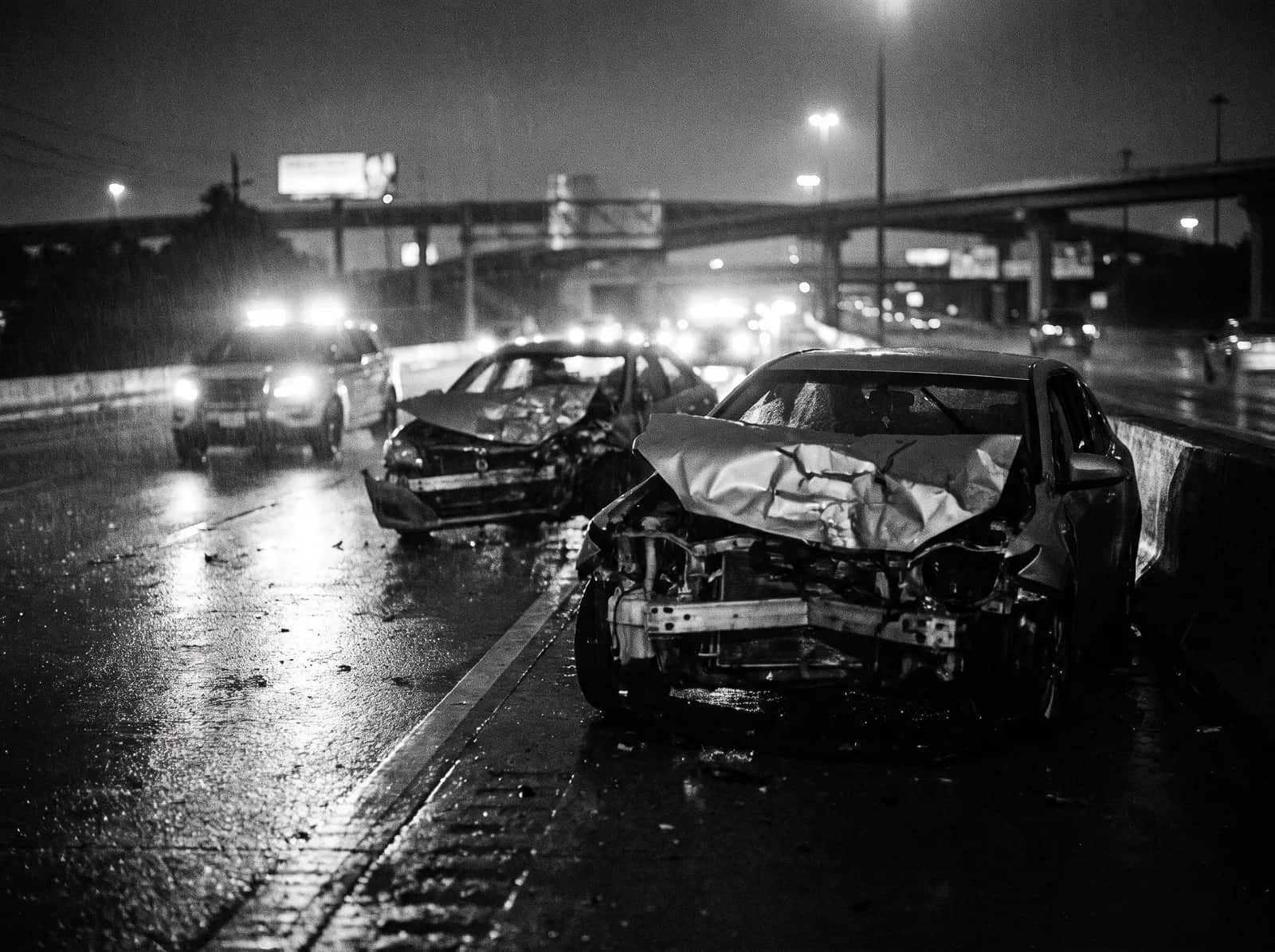
Your injury claim is against the driver who caused the crash, the same as if you were in your own car. The car owner's policy usually pays for the car itself, and both the owner's PIP and your own coverage may help with your medical bills.
Fault decides the main claim. If another driver caused the crash, that driver's liability insurance pays your injuries and the damage to the car you were driving, up to the policy limits. Whose car you were in does not change that.
Coverage around the claim is where the borrowed car matters. Texas policies generally cover the named insured, household members, and people driving the car with permission. Under Insurance Code section 1952.151, Personal Injury Protection on the owner's policy pays benefits to an authorized operator of the owner's vehicle, and your own policy may also provide coverage for you as its named insured.
If the other driver had no insurance or not enough, uninsured motorist coverage may help, and several policies can be in play: the owner's policy for the vehicle and your own for you. Which pays first depends on the policy language, so get copies of both declarations pages.
The car itself belongs to the owner, so the owner or the owner's insurer handles the property damage claim and any rental. Tell the owner promptly, share the crash report, and coordinate so both claims move together.
If you caused the crash in a borrowed car, the Texas Department of Insurance explains that the owner's liability insurance pays first and your own liability insurance can pay if the owner's is missing or insufficient. Owsley Law Firm sorts out the policies at the first meeting and charges no fee unless it wins.
What to do, step by step
- Tell the owner right away and share the other driver's information.
- Get copies of the owner's and your own insurance declarations pages.
- File PIP claims under whichever policies apply.
- Let the owner handle the car repair or total loss claim while you pursue your injury claim.
A car borrowed from a dealer or repair shop has its own coverage rules. TDI explains that your liability insurance may cover damage to a loaner from a repair shop, so read the loaner agreement.
If the owner's policy excludes you as a driver by name, coverage can change. Ask the owner whether any drivers are excluded.
Rental cars follow the rental agreement, any coverage you bought at the counter, and your own policy.
Mistakes that cost people money
- Assuming you have no coverage because the car is not yours.
- Letting the property claim and the injury claim drift apart without coordination.
- Not reporting the crash to your own insurer.
Related questions
Will the crash affect the owner's insurance?
If the other driver was at fault, the claim is against that driver's insurer. Ask the owner's insurer about any effect on the policy.
Can I use my own PIP?
Possibly. Your own policy may cover you as the named insured; check the declarations and policy language.
What if I caused the crash?
The owner's liability coverage generally pays first, with your own as backup, according to TDI.
Read next