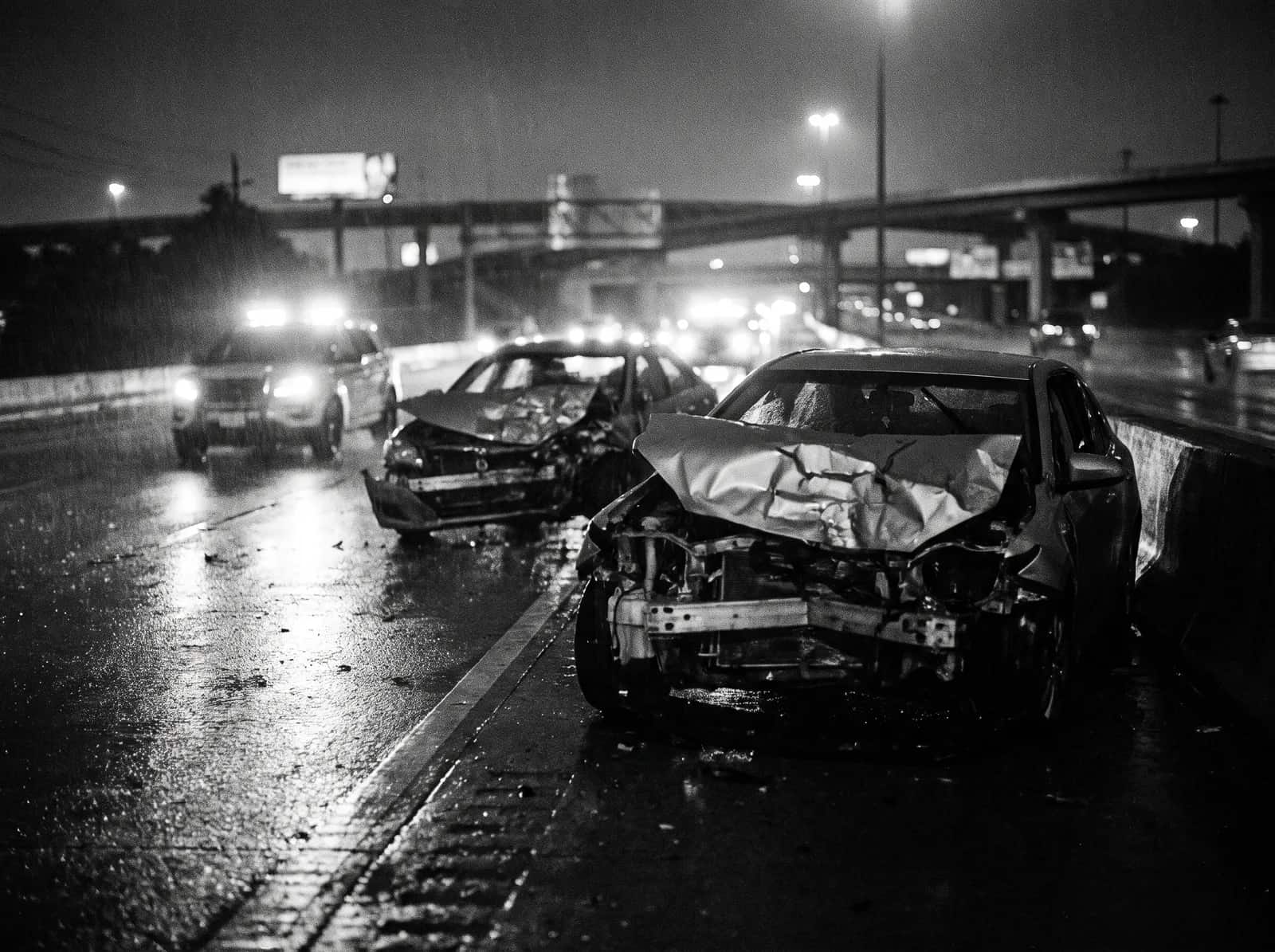
If the other driver caused it, the claim runs against that driver as usual, and your own policy’s PIP and uninsured motorist coverage generally still apply. The rental company itself is usually not liable for the renter’s driving under the federal Graves Amendment, but it can be liable for its own negligence, such as a poorly maintained car.
Being in a rental car does not change who caused the crash. If another driver ran a light or rear-ended you, you claim against that driver’s liability insurance, and your own auto policy’s personal injury protection and uninsured motorist coverage typically follow you into a rental car, subject to the policy’s terms. Credit card rental benefits usually cover damage to the rental car, not your injuries.
Federal law shields rental companies from being sued simply because they own the car. The Graves Amendment, 49 U.S.C. section 30106, says a company in the business of renting or leasing vehicles is not liable for harm caused by the renter’s use of the vehicle solely because it owns it, as long as there is no negligence or criminal wrongdoing on the company’s part.
That exception matters. A rental company that rented a car with worn tires, failed brakes, or an open safety recall, or that ignored a known defect, can be liable for its own negligence. Maintenance and recall records for the vehicle become important, and the car should not be repaired or returned to service until it is inspected.
If you caused the crash in a rental, the people you hurt look to the coverage that applies to you as the driver, which usually starts with your own auto policy and may include any liability coverage you bought at the counter. Rental agreements also create damage claims for the car itself, loss of use, and administrative fees.
Tourists and visitors to Texas face these issues often, especially around airports in Houston, Dallas, and Austin. A visitor who leaves Texas after the crash can still pursue the claim here, and Texas law governs a crash on a Texas road. Medical treatment back home should be documented and connected to the crash in the same way.
Keep the rental agreement, photos of the car, and every document the company sends. Owsley Law Firm sorts out the coverage on each side and charges no fee unless it wins.
What to do, step by step
- Call the police and get a report number.
- Photograph the rental car and the scene.
- Notify the rental company as the agreement requires.
- Notify your own auto insurer.
- Keep the rental agreement and any coverage you bought.
Rental agreements often require you to report a crash to the company quickly and to cooperate with its claims process. Read the agreement and keep copies of everything you send.
If you were a passenger in a rental car driven by someone else, you may have claims against the driver’s coverage and your own policy’s PIP benefits.
Business travelers have another layer. If you rented the car for work, your employer’s coverage or a corporate rental agreement may apply, and a work trip can raise workers’ compensation questions.
Mistakes that cost people money
- Assuming the rental company will handle your injury claim.
- Relying on credit card coverage for injuries.
- Returning the car before photographing it.
- Not reporting to your own insurer.
Related questions
Is the rental company responsible for my injuries?
Usually not just because it owns the car, under the Graves Amendment, but it can be liable for its own negligence such as poor maintenance.
Does my own insurance cover a rental car?
Many personal auto policies extend coverage to rental cars, but the policy terms control. Check before relying on it.
Who pays for damage to the rental car?
Depending on fault and coverage, the other driver’s insurer, your policy, a damage waiver you bought, or a credit card benefit may pay.
Read next