
Your liability insurance pays the other people's damages up to your limits and provides your defense if you are sued. Your own injuries are usually covered by your PIP and health insurance, your car by collision coverage. And if the other driver shared fault, you may still have a claim of your own.
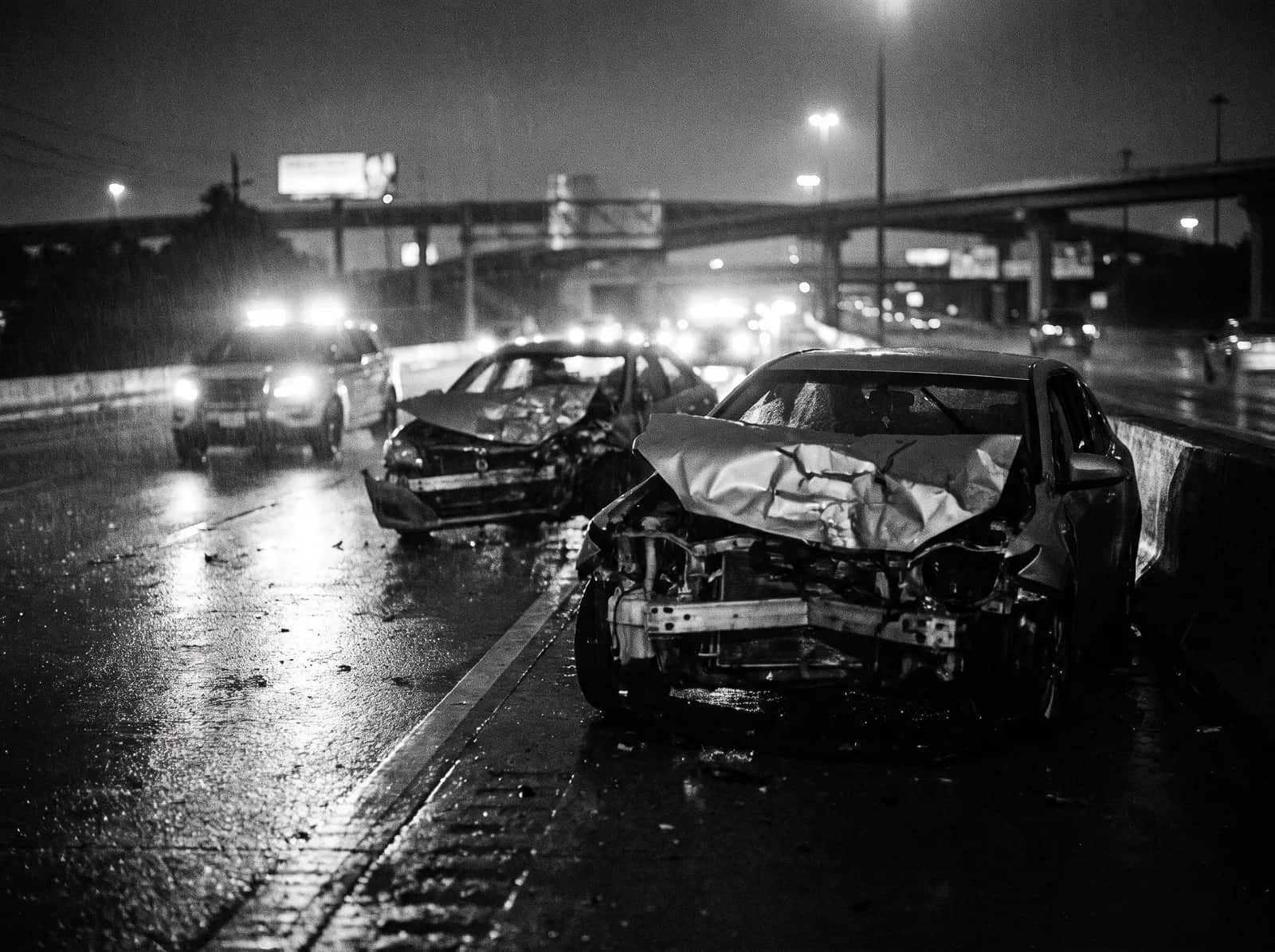
Texas is a fault state, so the driver who caused the crash is responsible for the harm. Your liability coverage pays the other driver's medical bills and property damage up to your policy limits, and your insurer generally hires a lawyer to defend you if you are sued. Report the crash to your insurer promptly and cooperate with it.
Fault is often shared. Under Chapter 33 of the Civil Practice and Remedies Code, a jury assigns a percentage of responsibility to each party. If you are 50 percent or less responsible, you can still recover your damages from the other driver, reduced by your share. An insurer saying you are at fault does not end that question; the evidence does.
Your own injuries can still be paid. Personal Injury Protection pays medical bills and lost income regardless of fault unless you rejected it in writing, and MedPay, health insurance, and disability coverage may also apply. Collision coverage pays to repair your car, minus the deductible.
There are things to avoid. Do not apologize or guess about fault at the scene, do not give a recorded statement to the other driver's insurer, and do not post about the crash. Texas law requires you to stop, exchange information, and help anyone who is hurt, and Transportation Code section 550.026 requires you to notify police immediately when someone is injured or killed or a vehicle cannot be safely driven.
If the other driver's claim may exceed your limits, tell your insurer in writing that you want it to settle within the policy limits if it can. Owsley Law Firm represents injured people, including drivers who were only partly at fault, with no fee unless it wins.
What to do, step by step
- Stop, check on everyone, and call 911 if anyone is hurt.
- Exchange names, registration, and insurance; do not argue fault.
- Report the crash to your insurer and cooperate with your own adjuster.
- Get medical care and file a PIP claim for your own injuries.
Being cited does not settle the civil question. A citation is a criminal matter, and responsibility in an injury claim is decided on the evidence and can be divided between drivers.
Your insurer defends you, but the defense has limits. If the claim against you could exceed your policy limits, you may want your own lawyer to watch out for your personal exposure.
If you were hurt and the other driver shared the blame, that driver's insurer may owe you, reduced by your percentage of fault, as long as yours is not more than 50 percent.
Mistakes that cost people money
- Apologizing or admitting fault before the facts are known.
- Not reporting the crash to your own insurer promptly.
- Giving the other driver's insurer a recorded statement.
Related questions
Will I be sued personally?
Possibly, but your liability insurer typically defends you and pays up to your limits.
Can I still recover if I was partly at fault?
Yes, if your share is 50 percent or less, with your recovery reduced by that share.
Does my insurance cover my own injuries if I caused the crash?
PIP and MedPay pay regardless of fault, and health insurance may also apply.
Read next