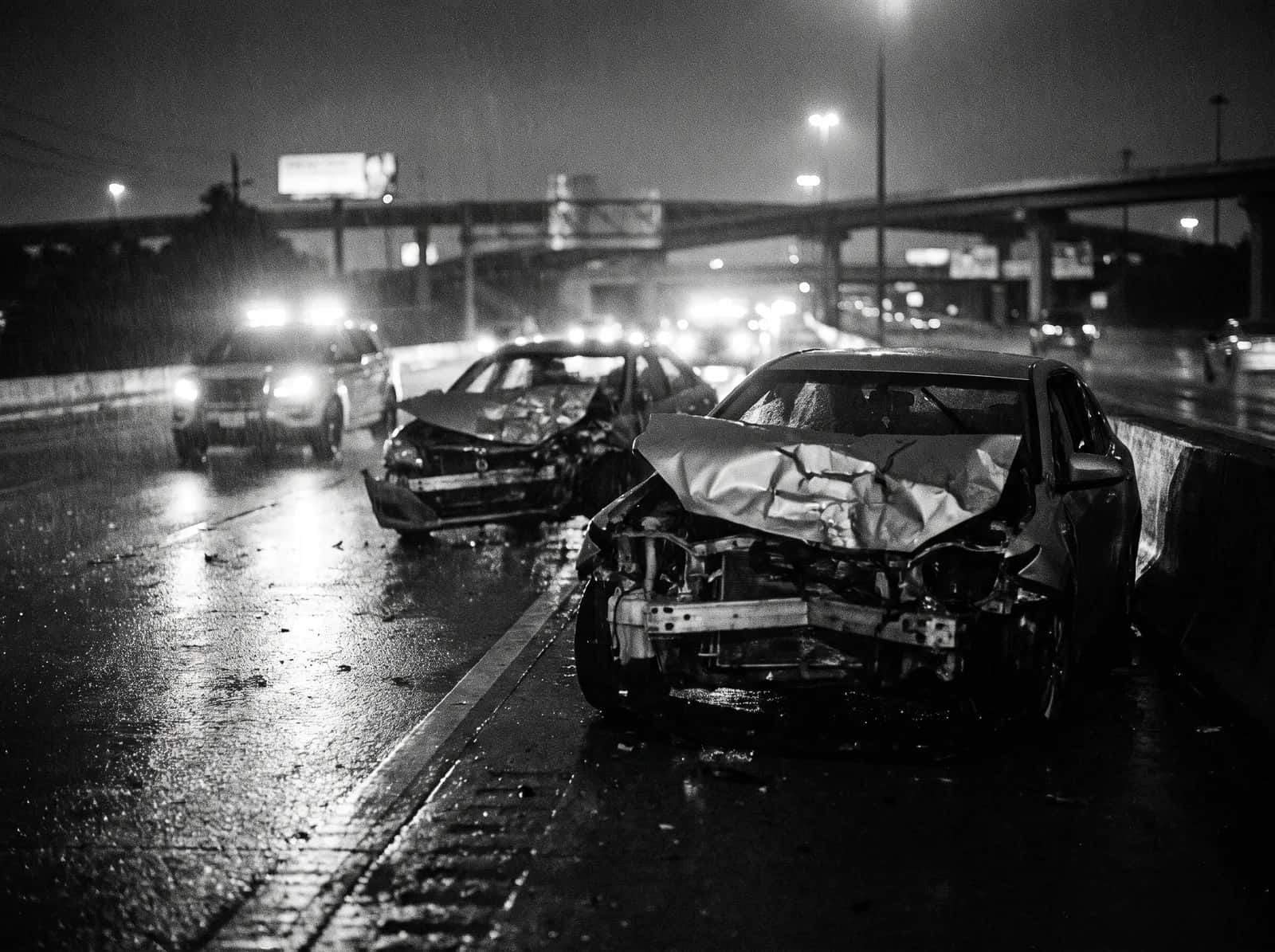

Not always, but often. A rideshare crash can involve the driver's personal insurer, the company's insurer, another driver's insurer, and your own policy, each with reasons to point at the others. A lawyer helps most when you were hurt, app status is disputed, or two drivers may share fault.
Some rideshare crashes are simple. If you were a passenger, another driver plainly caused the crash, your injuries were minor and healed quickly, and the at-fault driver's insurer is paying without argument, you may be able to resolve the claim directly. The calculation changes when injuries are significant or lasting, when you need ongoing treatment, or when more than one insurer is involved. Rideshare claims tend to involve more insurers than ordinary crashes, and each one has a reason to say another should pay first. That is where most injured people benefit from having someone manage the claim, because the order in which policies respond affects how much of the loss is actually covered.
Consider who can be on the hook in one crash. The rideshare driver's personal insurer may rely on an exclusion Texas allows for time spent logged on or on a ride (Insurance Code section 1954.151). The company's insurer covers the tier that the app status supports. If another car was involved, that driver's insurer is in the picture, and your own uninsured and underinsured motorist coverage may be too. Section 1954.153 even gives a personal insurer that pays an excluded claim a right of contribution against the rideshare policy, which shows how often these carriers dispute who goes first. Lining them up in the right order, without releasing one by accident, is a large part of the work.
Passengers often have claims against two drivers at once: the rideshare driver and the driver of the other car. Under Chapter 33 of the Civil Practice and Remedies Code, a jury assigns each a percentage of responsibility, and a defendant generally pays only its own share unless it is found more than 50 percent responsible. Deciding which claims to bring, against whom, and in what order affects how much of the total can be collected, especially when one driver carries only minimum coverage. A passenger is rarely at fault, but the defendants will argue about each other's share, and the evidence about both drivers needs to be gathered while it still exists.
A lawyer also handles the parts of a rideshare claim that stay invisible until the end. Medical providers may hold liens, health plans may seek reimbursement, and the timing of a demand against a $1 million policy should follow the medical picture rather than the insurer's calendar. Rideshare companies hold the trip data, the driver's history, and the log-on times, and some of that comes only through formal requests or discovery in a lawsuit. If the company's own conduct is at issue, such as ignoring prior complaints about a driver, those records matter even more, because Texas generally treats rideshare drivers as independent contractors under Occupations Code section 2402.114 when that statute's conditions are met.
Cost should not decide the question. Texas injury lawyers usually work on a contingent fee set out in a written agreement, so there is normally no up-front payment, and a free consultation tells you whether your claim needs a lawyer at all. Bring the trip receipt, screenshots, the crash report number, photographs, and any letters or emails from insurers. If you have already spoken with an adjuster, tell the lawyer what was said. If a lawyer tells you that your claim is small enough to handle yourself, that is useful advice too, and you should get it before you sign a release. Owsley Law Firm reviews rideshare cases for free, answers calls 24/7, and charges no fee unless it wins.
What to do, step by step
- Get medical care and keep the records.
- Save the trip receipt, screenshots, and any messages with the driver.
- Write down every insurer that has contacted you.
- Use a free consultation before signing any release.
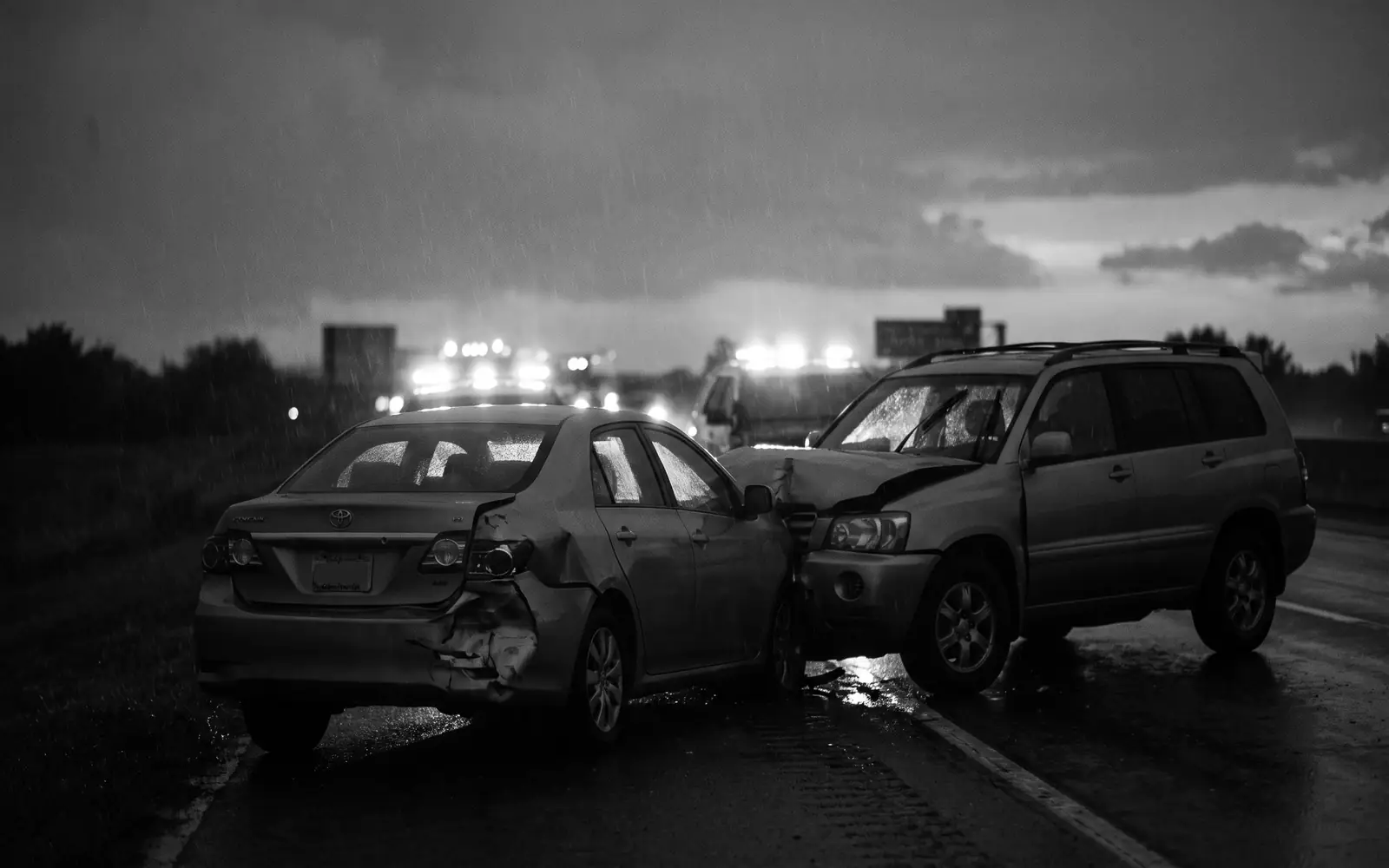
Pedestrians, cyclists, and other drivers hit by a rideshare driver face the same app-status questions as passengers, plus the personal policy exclusions Texas allows, which is where disputes most often arise.
A lawyer can also identify whether the rideshare company's uninsured or underinsured motorist coverage applies when the other driver who caused the crash had no insurance or too little.
Mistakes that cost people money
- Signing a release with one insurer that affects claims against another.
- Assuming a passenger has only one claim.
- Accepting an offer before treatment is finished.
Related questions
Can a passenger sue both drivers?
Yes. A passenger can bring claims against each driver whose negligence contributed to the crash.
Do rideshare insurers make early offers?
They can, and an early offer often comes before the injury is fully understood.
What does a rideshare lawyer cost?
Texas injury lawyers usually work on a written contingent fee, with no up-front cost.
Sources
Sources this page relies on
Read next