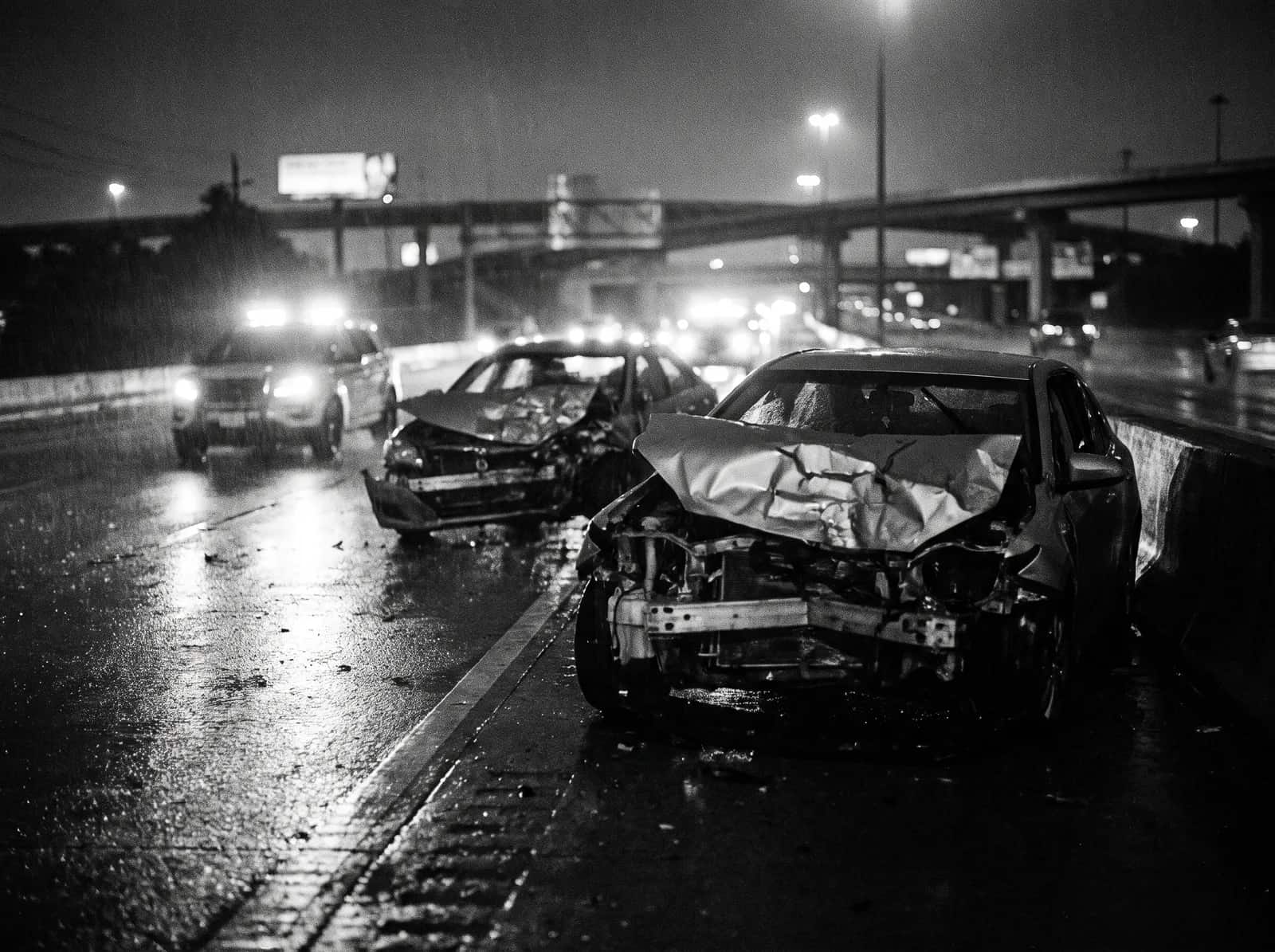

In Texas, a passenger hurt in a car crash can usually claim against the driver of the car they were riding in, the other driver, or both, depending on who caused the crash, and may also use their own PIP and UM/UIM coverage. Passengers are rarely at fault, so the case is usually about finding enough insurance. Owsley Law Firm handles passenger claims and charges no fee unless it wins.
Who pays when a passenger is hurt?
The answer depends on who caused the crash. If the other driver was at fault, the passenger claims against that driver’s liability insurance. If the passenger’s own driver was at fault, the claim goes against that driver’s policy. If both drivers share fault, the passenger can claim against both, and fault is divided under Chapter 33 proportionate responsibility. Because a passenger usually did nothing to cause the crash, the passenger’s own share of fault is usually zero.
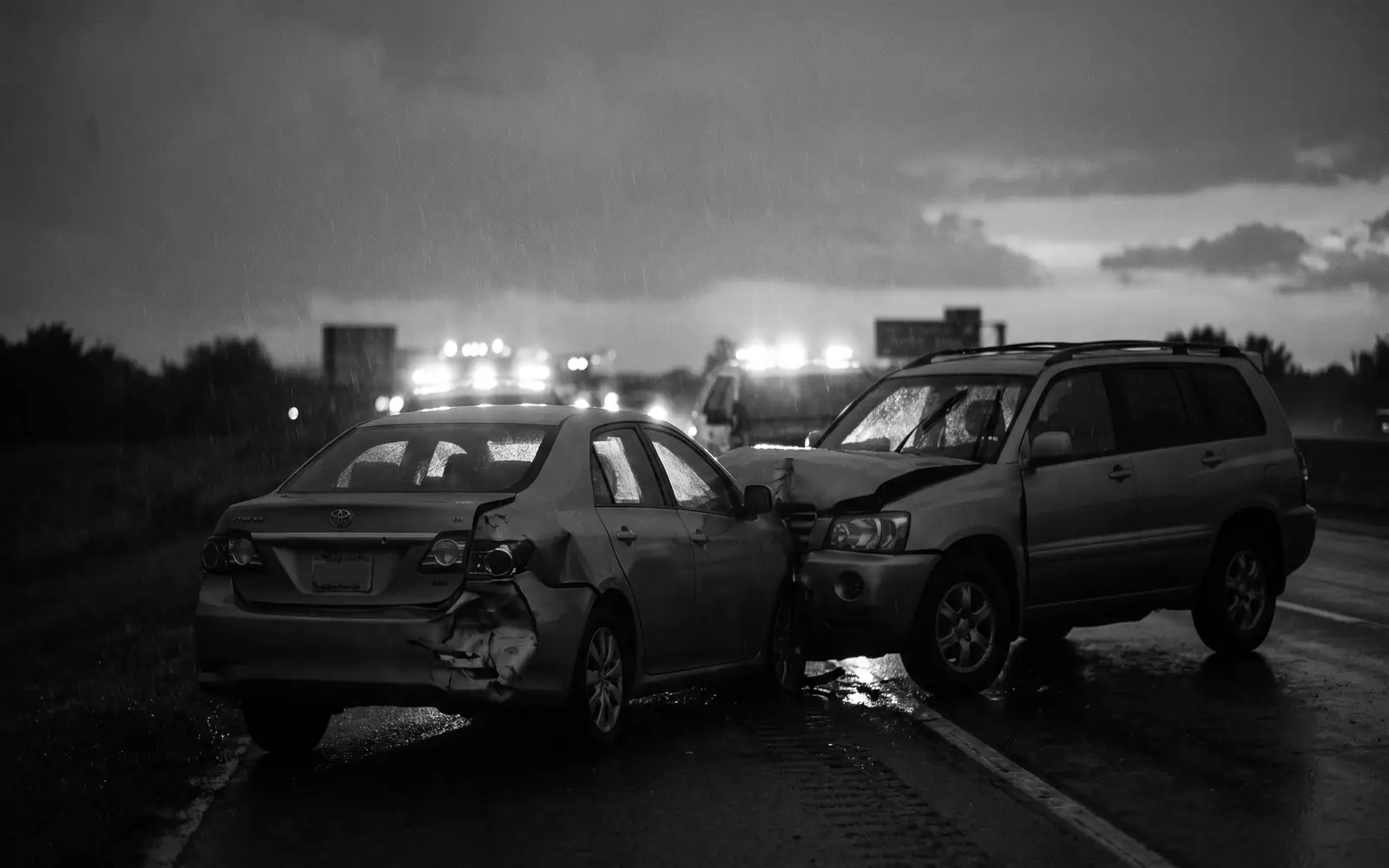
Can I make a claim against a friend or family member who was driving?
Yes. A claim against the driver is really a claim against the driver’s insurance, which exists for exactly this purpose. Many people hesitate because the driver is a friend, spouse, or relative. A claim against a friend's policy works like any other: the insurer, not the driver personally, defends and pays within the policy limits. A relative is different. Under Civil Practice and Remedies Code section 72.001, a passenger riding without payment who is related to the driver within the second degree (including a spouse, parent, child, or sibling) can recover from that driver only for intentional or heedless and reckless conduct, not ordinary carelessness. Some policies contain provisions that limit coverage for household members, so the policy language should be reviewed.
What insurance can a passenger use?
Passengers often have more coverage available than they realize.
- The at-fault driver’s liability policy
- The other driver’s liability policy if fault is shared
- Personal injury protection on the car you were riding in, and possibly your own PIP
- Uninsured or underinsured motorist coverage on the car you were in
- Your own UM/UIM coverage, which may follow you as a passenger
- A rideshare company’s policy if you were in an Uber or Lyft during a trip
- An employer’s policy if the driver was working
What if several passengers were hurt?
When several people are hurt in the same car, they may all be claiming against the same policy. A 30/60/25 minimum policy provides only $30,000 per person and $60,000 for all injured people together. If the total claims exceed the limits, the money must be divided, and settling early can leave others with less. Underinsured motorist coverage and other policies become critical. The firm evaluates all available coverage before advising on settlement.
Can a passenger be partly at fault?
Rarely, but insurers sometimes try. They may argue that a passenger who rode with a driver they knew was drunk shares responsibility, or that an unbelted passenger’s injuries were worse because of it. Since the Texas Supreme Court's 2015 decision in Nabors Well Services v. Romero, seat belt nonuse can be used to apportion responsibility for injuries. These arguments affect the amount recovered, not the right to recover, unless the passenger’s share of fault exceeded 50 percent.
What about children hurt as passengers?
Children injured in crashes have claims brought on their behalf by a parent or guardian. Settlements for minors often require court approval and may need to be structured or held for the child. The deadline for a minor’s own injury claim is generally extended until the child turns 18, but the parents’ claim for medical expenses they paid has its own deadline, so it is better not to wait. Child safety seat use is required by Texas law for young children and will be examined.
What if I was a passenger in an Uber or Lyft?
Rideshare passengers are covered by the transportation network company’s insurance during a trip. Chapter 1954 of the Texas Insurance Code requires at least $1,000,000 in liability coverage from the time a driver accepts a ride request until the passenger exits. If another driver caused the crash, the passenger can also claim against that driver, and the rideshare policy’s uninsured motorist coverage may apply when the other driver is uninsured.
How much is a passenger injury claim worth?
The claim includes medical bills, lost wages, pain, mental anguish, impairment, and disfigurement, and it depends on the injuries and their duration. The practical question is usually coverage, because passengers can draw on several policies and the right order of claims can make a significant difference. When several passengers are hurt, coordinating the claims protects everyone’s recovery.
What injuries do passengers suffer?
Passengers suffer the same injuries as drivers and sometimes worse, because a front passenger may be on the struck side of a T-bone crash and rear passengers may be less likely to wear seat belts. Common injuries include neck and back injuries, concussions, broken bones, seat belt injuries to the chest and abdomen, and facial injuries from airbags. Children may be hurt by improperly installed car seats or by adult seat belts that do not fit them. Medical records from the first visit forward are what tie each injury to the crash.
What should a passenger do after a crash?
Get medical care and keep records. Get insurance information for both drivers and the vehicle owner. Photograph the vehicles and your injuries. Do not give a recorded statement to either driver’s insurer before getting advice. Report the injury to your own insurer in case PIP or UM coverage applies. Most claims must be filed within two years under section 16.003.
Common questions
What clients ask about passenger injury claims.
Can I sue the driver of the car I was in?
Yes, if that driver caused the crash. The claim is paid by the driver’s insurance within the policy limits.
Does a passenger need to prove fault?
The passenger must show who caused the crash, but usually does not have to prove the passenger did anything right, because passengers rarely contribute to crashes.
Can I use PIP as a passenger?
Often yes. PIP on the vehicle you were riding in usually covers passengers, and your own policy may also apply.
What if the driver I was with has no insurance?
Uninsured motorist coverage on the vehicle or your own UM coverage may pay. The other driver may also be liable.
How much is a passenger injury claim worth?
It depends on the injuries, medical costs, lost income, and the available insurance. Coverage is often the limiting factor.