Often more than one driver. Texas assigns each responsible person a percentage of fault under Chapter 33 of the Civil Practice and Remedies Code. The driver who started the chain usually carries the most, but any driver who followed too closely or was going too fast for conditions can share it.
A chain-reaction crash, where one impact pushes vehicles into each other, is decided under the same proportionate responsibility rules as any Texas injury case, just with more parties. The jury assigns a percentage of responsibility to each driver whose negligence contributed to the harm. Your recovery from each defendant generally tracks that defendant’s percentage.
The first driver to cause an impact is usually the main target, but not always the only one. Transportation Code section 545.062 requires every driver to keep enough distance to stop safely, so a driver in the middle of the chain who could not stop in time may also be negligent. Section 545.351 requires speed that is reasonable and prudent for the conditions, which matters in fog, rain, and freeway slowdowns.
Two Chapter 33 rules shape these cases. Under section 33.004, a defendant can ask the court to designate a responsible third party, such as a driver who left the scene, so the jury can assign that person a share. Under section 33.013, a defendant whose share is greater than 50 percent is jointly and severally liable for the recoverable damages, which can matter when other drivers carry little insurance.
Evidence sorts out the sequence. Event data recorders in most modern vehicles store speed and braking in the seconds before an impact. Damage patterns, scene photographs, traffic cameras, and witness accounts show which impact came first and whether a vehicle was struck once or twice.
Houston freeways produce many of these crashes, especially where traffic stops suddenly near interchanges and construction zones. A driver who was stopped and then pushed into the car ahead usually bears little or no fault, but the insurer of the car behind may still try to share blame. The order of impacts, documented quickly, protects the drivers who did nothing wrong.
Multiple insurers often point at each other. Owsley Law Firm builds the sequence, claims against every responsible driver, and charges no fee unless it wins.
What to do, step by step
- Get every driver’s name and insurer.
- Photograph each vehicle’s front and rear damage.
- Note the order of the vehicles.
- Request the crash report.
- Have the vehicle data downloaded before repairs.
In freeway chain reactions, the last vehicle in the line is often the one that started the chain, but not always. A sudden lane change or cut-off by a vehicle ahead can start the sequence, and that driver may have left the scene.
Your own coverage can carry the early costs. Personal injury protection pays medical bills and lost income regardless of fault while the insurers argue over percentages.
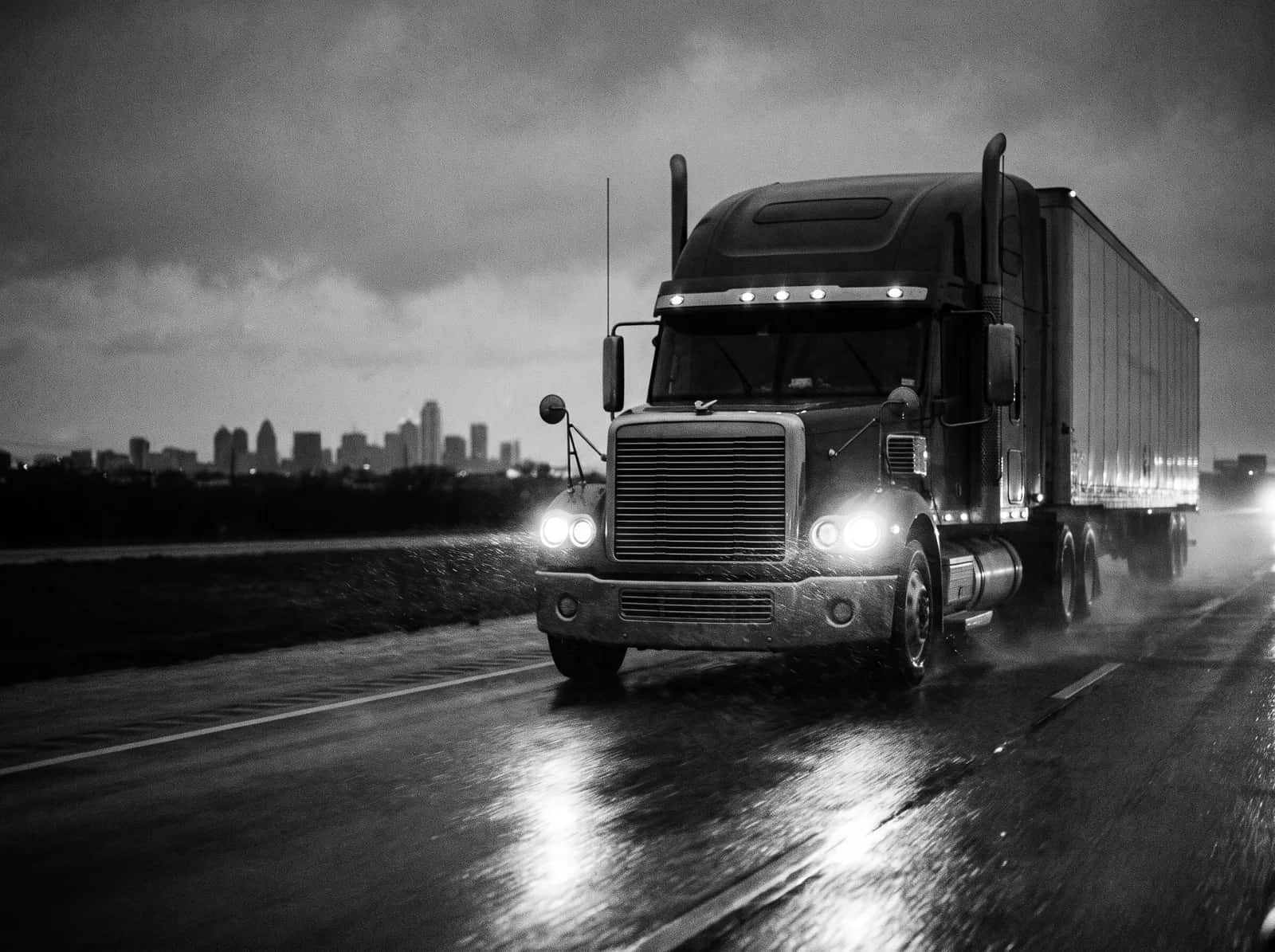
Commercial vehicles complicate chain reactions. A truck that cannot stop in time can push several cars into each other, and trucking company records, the truck’s electronic control module, and the driver’s logs become key evidence alongside the cars’ data.
Mistakes that cost people money
- Accepting the first insurer’s version of the sequence.
- Failing to photograph every vehicle’s damage.
- Letting your car be repaired before its data is downloaded.
- Assuming only one driver is responsible.
Related questions
What if I was hit twice?
Each impact may be caused by a different driver. Damage patterns and event data help separate them.
Can I recover from more than one driver?
Yes. Each responsible driver pays according to their percentage, and a defendant found more than 50 percent responsible is jointly and severally liable.
What if the driver who started it left the scene?
Your uninsured motorist coverage may apply, and that driver can be designated a responsible third party.
Read next