
The at-fault driver’s insurer, under the property damage part of their liability policy. If fault is disputed or they are uninsured, your own collision coverage pays, less your deductible, and your insurer can recover from the other side. Texas law lets you choose the repair shop.
Texas is a fault state, so the driver who caused the crash is responsible for your repairs, and their liability insurance usually pays. Texas requires at least $25,000 in property damage coverage under Transportation Code section 601.072.
You have two paths. A third-party claim with the other driver’s insurer pays the full repair cost with no deductible, but only after that carrier accepts liability. A first-party claim under your own collision coverage pays faster, minus your deductible, and your insurer can then pursue the other carrier and often recover your deductible for you.
You choose the shop. Insurance Code section 1952.301 bars an insurer from limiting your choice of repair person or facility, and in a third-party claim it may not require you to use a particular shop. Section 1952.302 bars an insurer from telling you that you must use a shop on its preferred list for the repair to be covered.
If the other driver was uninsured, uninsured motorist property damage coverage, if you bought it, can pay, usually with a smaller deductible than collision. A hit-and-run raises a special issue: for property damage, Texas UM coverage generally depends on proof of the other vehicle, and Insurance Code section 1952.104 requires actual physical contact for an unknown driver.
Keep the estimate, photos, and invoices, and do not sign a release that covers more than property damage. Owsley Law Firm helps injured clients get the property claim paid while the injury claim moves forward.
What to do, step by step
- Report the claim to the at-fault driver’s insurer and your own.
- Choose your repair shop and get an estimate.
- Decide whether to use your collision coverage for speed or wait for the other carrier.
- Keep photos, estimates, and invoices.
- Ask your insurer to pursue your deductible from the other carrier.
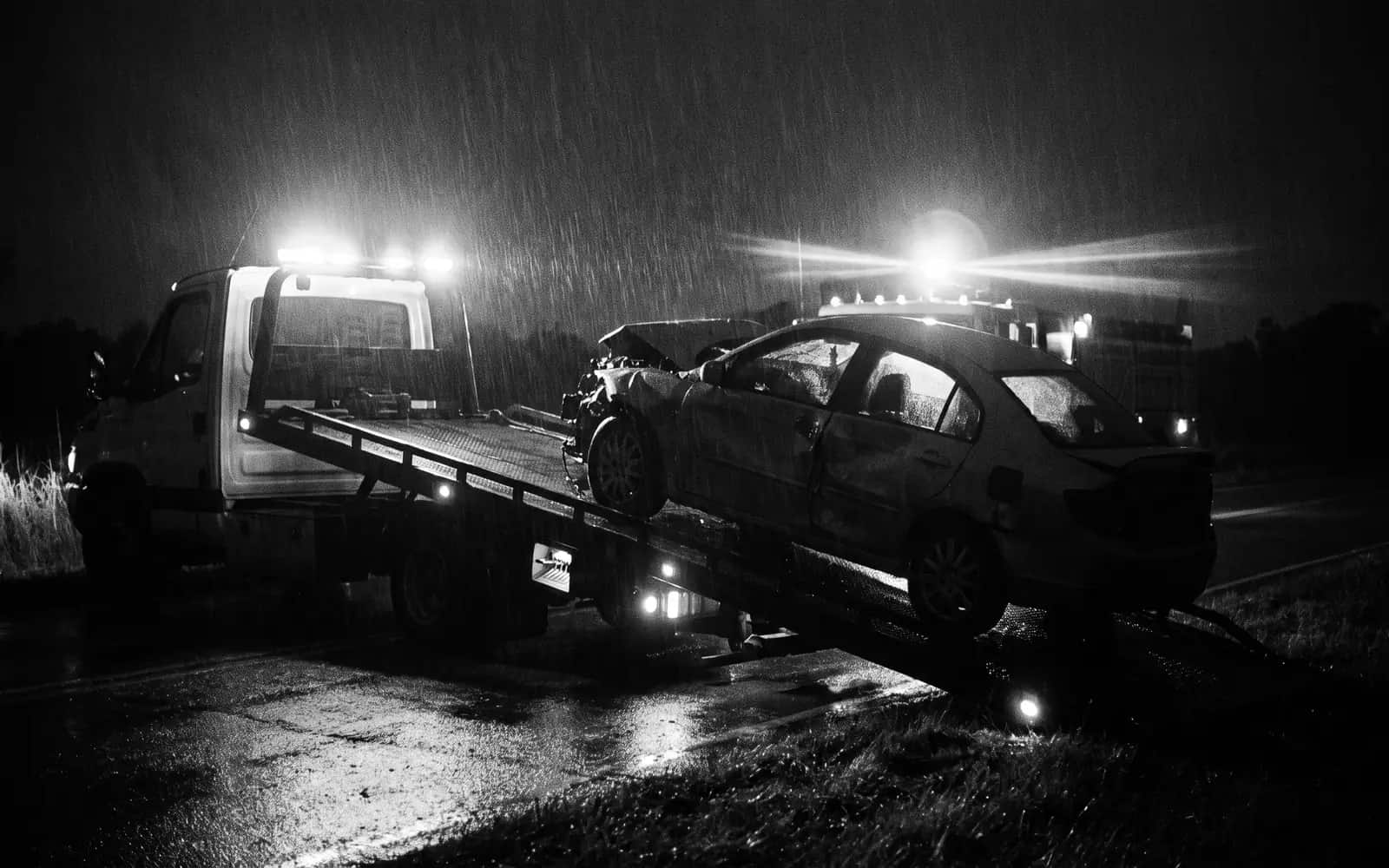
Shops often find hidden damage after teardown. Insurers handle that through a supplement to the estimate, so tell the shop to request one if needed.
If repairs exceed the car’s value, the claim becomes a total loss and is valued at actual cash value instead.
Using your own collision coverage first is often faster, especially when fault is disputed. Your insurer pays, then pursues the other carrier through a process called subrogation. If it recovers, you typically get your deductible back, and using collision coverage for a crash you did not cause should not be treated as an at-fault claim, though practices vary by insurer.
When the property damage limit is small and several cars were damaged, the $25,000 minimum may be split among everyone. In that situation your own coverage becomes more important, and moving early on the claim can matter.
Towing and storage charges add up quickly. Move the car from a storage lot to your chosen shop as soon as you can, and ask the insurer in writing to approve the move. Daily storage fees that run while an insurer delays are part of the property claim.
Mistakes that cost people money
- Letting an adjuster steer you to a shop you do not want.
- Accepting an estimate that omits hidden damage without a supplement.
- Signing a release that covers injuries.
- Forgetting rental and diminished value.
Related questions
Do I have to get three estimates?
Texas law does not require it. Insurers may inspect the car, but you choose where it is repaired.
Will I get my deductible back?
If your insurer recovers from the at-fault carrier, it typically refunds your deductible, in full or in proportion to its recovery.
Can the insurer use aftermarket parts?
Section 1952.301 bars insurers from limiting coverage by specifying the kind of parts that may be used, except as commissioner rules allow. Ask what parts are planned.
What if the shop finds more damage after it starts?
The shop requests a supplement from the insurer. Supplements are routine and should be approved when the damage is documented.
Read next