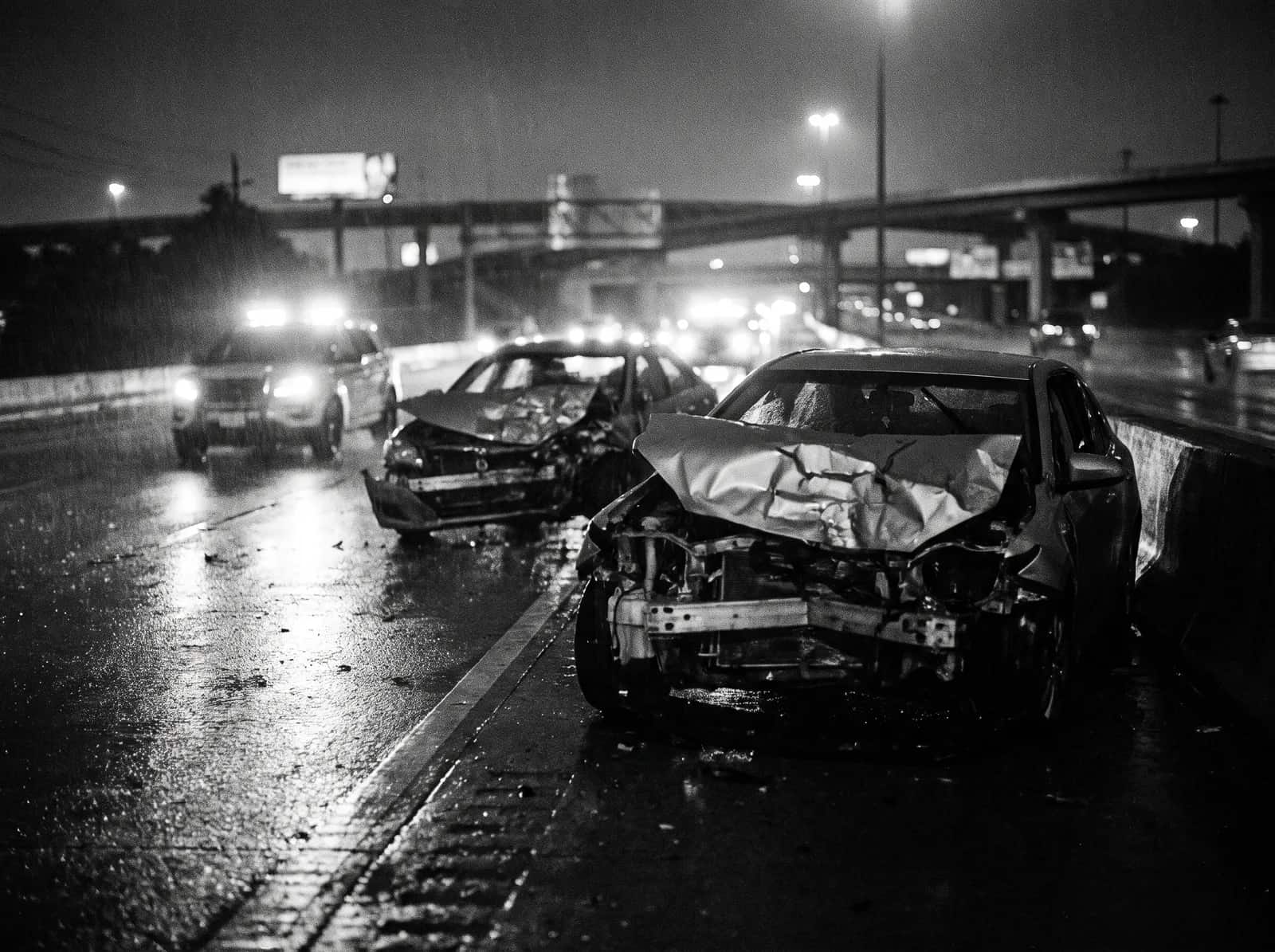

It is a claim for the loss in market value a car suffers because it now has an accident history, even after proper repairs. In Texas you can make it against the at-fault driver and their insurer. Your own policy generally does not pay it after an adequate repair.
A repaired car is often worth less than an identical car that was never wrecked, because buyers see the accident on vehicle history reports. That gap is diminished value, and in Texas it is part of the property damage the at-fault driver owes.
The rule is different for your own insurance. In American Manufacturers Mutual Insurance v. Schaefer (2003), the Texas Supreme Court held that the standard Texas personal auto policy does not require an insurer to pay diminished value when the vehicle has been fully and adequately repaired. So the claim usually runs against the other driver’s liability coverage, not your collision coverage.
Proof matters. Insurers rarely offer diminished value unless asked, and they ask for support. The strongest evidence is a written appraisal from an independent appraiser or dealer comparing the pre-crash value to the post-repair value, plus the repair invoice and photos showing the extent of the damage.
Diminished value is strongest for newer, higher-value cars with significant structural or frame damage, and weakest for older, high-mileage vehicles with cosmetic damage. It shares the at-fault driver’s property damage limit with repairs and rental, which can be as low as $25,000 under Transportation Code section 601.072.
The deadline is two years under Civil Practice and Remedies Code section 16.003. Many people make the claim themselves. If you were also injured, Owsley Law Firm includes diminished value in the property side of your claim at no extra charge.
What to do, step by step
- Get the repair done at a reputable shop and keep the final invoice.
- Get a written diminished value appraisal from an independent appraiser or dealer.
- Send the appraisal and repair records to the at-fault driver’s insurer with a written demand.
- Keep the claim open until diminished value is paid or denied in writing.
- Sign a release limited to the property claim.

Vehicle history reports and dealer trade-in tools are how buyers find the accident, so a dealer’s written opinion of the trade-in difference is useful evidence.
If the repair was not adequate, the claim is different: you can seek the cost of a proper repair, and the Schaefer limit on first-party diminished value does not apply to inadequate repairs.
Timing helps. A diminished value claim is easiest to support right after repairs, when the shop’s invoice and the appraisal are fresh, and before you trade the car in. If you sell the car first, a dealer’s trade-in offer compared to clean-history offers for similar cars is still useful evidence.
Insurers sometimes respond with their own formula and a small offer. You do not have to accept it. A written demand that attaches your appraisal and the repair invoice, and asks the insurer to explain any lower number, often produces a better result.
Diminished value is separate from repair cost and from loss of use. A complete property claim lists all three, along with personal property damaged in the car and towing and storage charges, so nothing is left out when the insurer pays.
Mistakes that cost people money
- Assuming the insurer will offer diminished value without being asked.
- Making the claim against your own collision coverage.
- Settling the repair claim with a release that also waives diminished value.
- Waiting past the two-year deadline.
Related questions
How much is diminished value?
It depends on the car’s age, value, mileage, and damage. An appraisal comparing pre-crash and post-repair value is the best measure.
Can I claim diminished value on a leased car?
Often the lessor owns that claim. Check the lease and ask the leasing company.
Do I need a lawyer for this?
Many people handle it themselves. If you were also injured, include it in your overall claim.
Does a minor scrape support a diminished value claim?
Rarely. The claim is strongest when the damage is significant enough to appear on a history report and affect what buyers will pay.
Read next