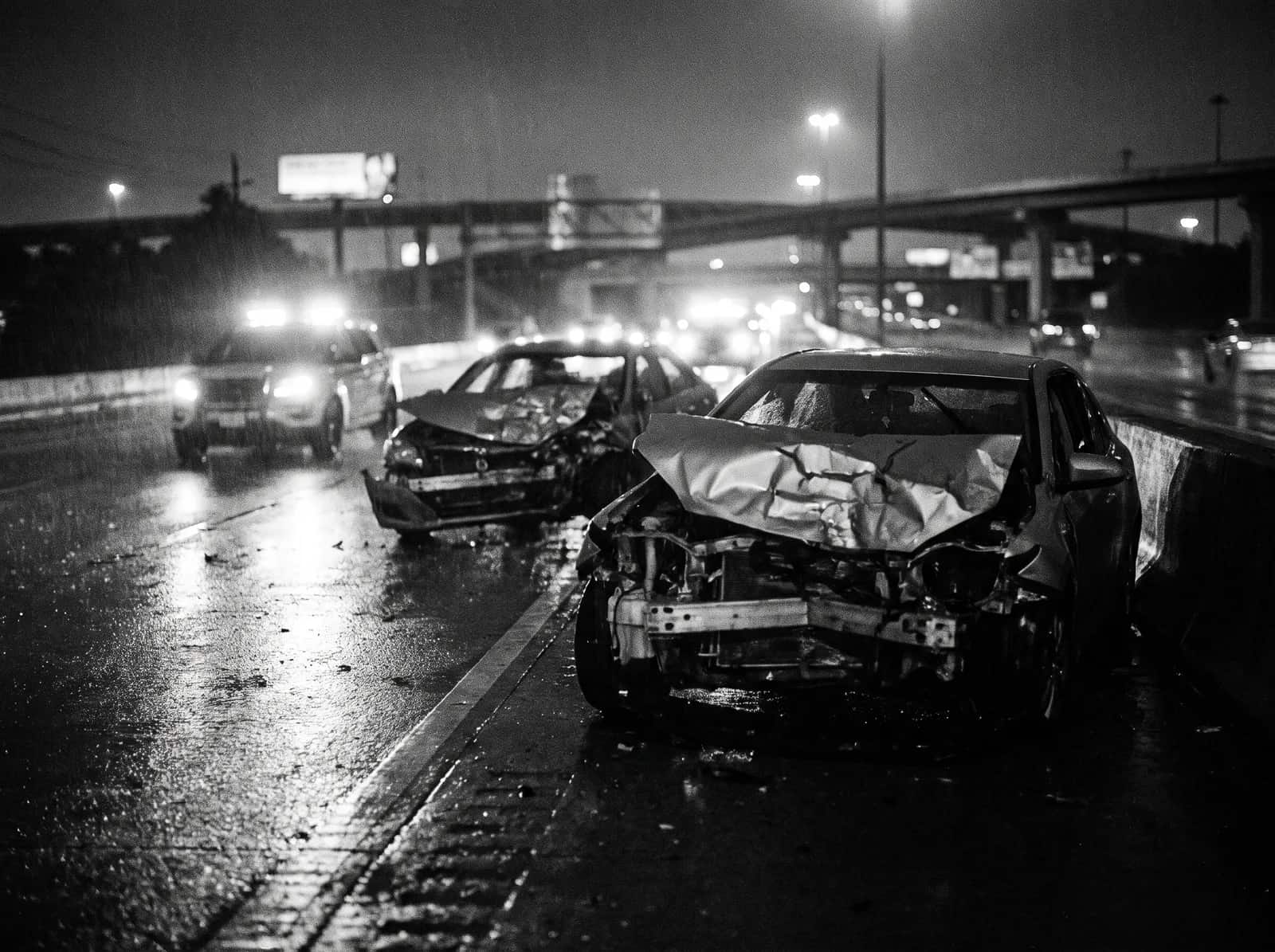

GEICO handles most claims through its app, website, and phone claims team, and it may estimate damage from photos without a physical inspection. That speed helps with a fender bender. On an injury claim, the fast track can work against you if you settle before your treatment shows what the crash really cost. Owsley Law Firm reviews GEICO injury claims free.
GEICO built its business on doing things by phone and online, and its claims process follows the same model. You report the crash, take guided photos when asked, choose a repair shop, and track progress in the app. GEICO says not every claim needs repairs or a physical inspection and that it may assess a vehicle digitally.
GEICO also says that some situations, including certain property damage and injury settlements, need more support from its claims team. That is where most of the money in a real injury case sits, and it is where a careful approach pays off. This guide covers both the digital part and the injury part under Texas law.
How do I report a car accident to GEICO?
GEICO customers can report a claim in the app, online, or by phone. If a GEICO driver hit you, call GEICO or use its claims site to open a third-party claim and get a claim number.
GEICO's claims center lays out the process as report, document, schedule repairs, and track. You will be asked what happened, the vehicle damage, whether anyone was hurt, and who was involved. Keep the injury part short and factual: say that you were hurt and are getting care, without guessing at a diagnosis.
Save every message from the app and every email. Digital claims leave a good paper trail if you keep it, and that record helps when a dispute comes up about what was said or promised.
- GEICO claim number
- The GEICO policyholder's name and policy number
- Crash report number from the Texas agency that responded
- Your photos of all vehicles and the scene before anything is moved or repaired

Can GEICO estimate my car damage from photos?
Yes. GEICO says it may assess some vehicles digitally and that not every claim needs a physical inspection.
A photo estimate sees only what is visible. Modern bumpers hide crushed reinforcement bars, sensors, and brackets, and that damage often shows up only when a shop takes the car apart. When that happens, the shop asks for a supplement and the insurer reviews it.
If you have a loan or lease, check what your lender requires before accepting a payment and skipping repairs. Visible damage photos also matter to your injury claim, so keep your own set even after GEICO has its photos.
Is my injury claim handled the same way as my car?
No. Property damage can be fast and digital. Injury claims are evaluated from medical records and usually by a different adjuster.
Insurers commonly settle the vehicle quickly and treat the injury claim separately. That is fine, as long as you do not sign a release covering bodily injury when you only meant to resolve the car.
The injury claim's value depends on the diagnosis, the treatment, lost income, and what your doctors say about the future. An offer that arrives before you have finished treatment is an offer made without that information.
Will a GEICO adjuster call me for a statement?
Often, yes. If GEICO is your insurer you have a duty to cooperate under your policy. If GEICO insures the other driver, you generally do not have to give a recorded statement.
Phone-based claims mean phone-based statements, often recorded, often early. Questions like how fast you were going, whether you saw the other car, or how you feel today can be used later to argue fault or minimize the injury.
You can give basic facts and decline a recorded interview with the other driver's insurer until you have spoken with a lawyer. That decision does not stop the property damage claim.

What if GEICO denies fault for its driver?
Your options include your own collision coverage for the car, your PIP and health insurance for treatment, and a claim or lawsuit against the at-fault driver for the rest.
The Texas Department of Insurance notes that if the other driver's company will not pay, you can file with your own company if you have collision coverage. Your insurer will usually try to collect from the other carrier, and you may get your deductible back if it does.
Fault disputes are decided by evidence, not by the adjuster's first view. Crash reports, witness statements, photos of the damage pattern, and video from nearby businesses are the usual tools. Under Texas proportionate responsibility, fault above 50 percent bars recovery, so the fight over percentages matters.
What if the GEICO driver only has minimum coverage?
Texas minimum liability is $30,000 per injured person. If your damages are higher, your own underinsured motorist coverage may pay the difference.
Many drivers buy the 30/60/25 minimum required by Transportation Code section 601.072. In a crash with serious injuries, that limit can be reached quickly. Learning the limits early shapes the whole strategy.
UIM is first-party coverage on your own policy, which means a claim against your own insurer. It is still a claim the company evaluates and can dispute, so treat it with the same care as a claim against a stranger's insurer.
Where a GEICO claim goes
| Situation | Whose policy usually pays | What to know |
|---|---|---|
| A GEICO driver hit you | The GEICO driver's liability coverage | Third-party claim. GEICO evaluates your injury against its insured's limits. |
| You are a GEICO customer and need treatment paid now | Your PIP, unless rejected in writing | No-fault benefits, at least $2,500 per person if you carry it. |
| The other driver fled or had no insurance | Your GEICO UM/UIM coverage | Report a hit-and-run to police. TDI warns UM may not pay if you did not. |
| Photo estimate seems low | Whichever policy is paying for the car | Shops can request a supplement after they find hidden damage. |
What evidence proves it
- Screenshots of every app message and status update
- Your own photos of all vehicles, taken before repairs
- The repair shop's teardown findings and any supplement requests
- Medical records, imaging, and bills
- Wage records or a letter from your employer
- The crash report and any witness contact information
Mistakes that cost people money
- Accepting a quick injury settlement before treatment is finished
- Signing a release that covers bodily injury along with the car
- Giving a recorded phone statement to the other driver's carrier while still in pain or on medication
- Throwing away your own photos once the insurer has its estimate
- Skipping a police report after a hit-and-run
Frequently asked questions
Does GEICO have local adjusters in Texas?
GEICO handles many claims remotely through its app and phone team, and it may send someone to inspect a vehicle when a digital estimate is not enough. The adjuster on an injury claim may never meet you in person.
Can I choose my own repair shop with GEICO?
Yes. TDI says insurers may recommend shops but cannot require you to use one. GEICO itself says you can choose the shop that works best for you.
How long does GEICO take to pay an injury claim?
There is no fixed timeline on a third-party injury claim. Payment usually comes at settlement, after your treatment and records show the value of the claim.
What if GEICO's offer does not cover my medical bills?
Do not sign. Have the offer reviewed against your records, any liens, and the available coverage. A lawsuit against the at-fault driver is the main lever when an offer is too low.
Do I need a lawyer for a small GEICO claim?
For a car-only claim, usually not. Once there is an injury that needs ongoing treatment, a free review helps you understand what the claim is worth before you settle.
How long do I have to sue the GEICO driver?
Two years from the crash for most Texas injury claims. The insurer's process does not extend that deadline.
This page is general information about Texas law and is not legal or medical advice. Every case depends on its own facts. Contact the firm for a free review of yours.
Keep reading