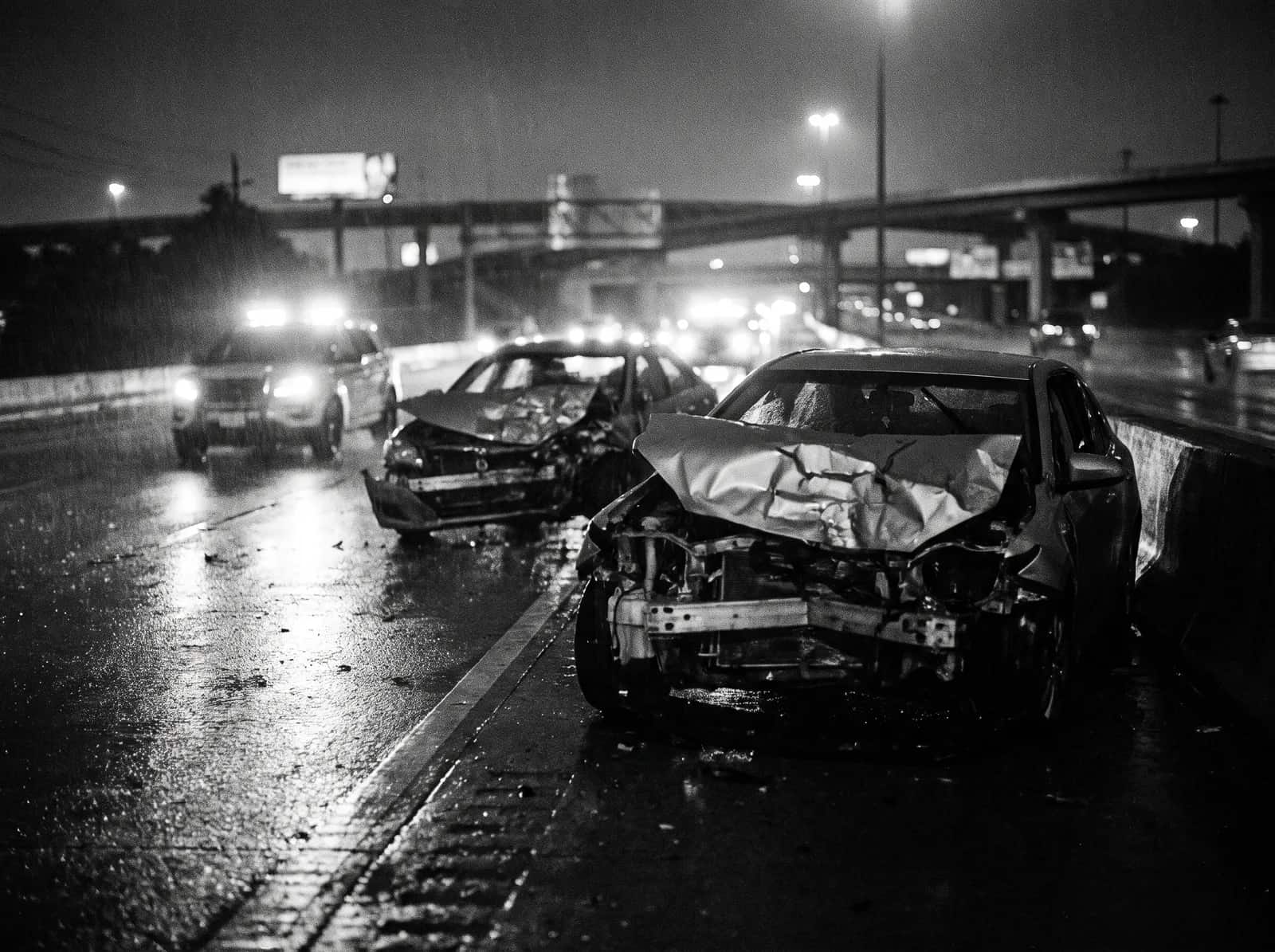

Texas Transportation Code section 601.072 sets the minimum liability insurance at $30,000 per injured person, $60,000 per crash for injuries, and $25,000 for property damage, known as 30/60/25. A serious injury can exceed that quickly, so finding every other source of coverage is often the key to a full recovery. Owsley Law Firm reviews coverage free and charges no fee unless we win.
Texas requires drivers to carry liability insurance, but the minimum has not changed since 2011. For a broken leg, a surgery, or weeks of missed work, $30,000 can be gone before the medical bills stop arriving.
This page explains the 30/60/25 rule, what happens when the at-fault driver has only the minimum or nothing at all, and where additional coverage often comes from.
What are the Texas minimum insurance limits?
$30,000 for injury or death of one person, $60,000 for injury or death of two or more people in one crash, and $25,000 for property damage.
Texas enforces the insurance requirement through the financial responsibility laws in Chapter 601, and drivers must be able to show proof of coverage. A driver who cannot may face penalties, but those penalties do not pay your bills. That is why your own coverage choices, made long before a crash, often decide how a serious claim is paid.
The $60,000 figure is shared among everyone injured in the crash, and no single person can receive more than $30,000 from it. The statute also allows a policy to exclude small first amounts, such as the first $250 of liability for one person’s injuries.

What happens when my damages exceed the other driver’s policy?
Underinsured motorist coverage on your own policy can pay the difference, up to your limits, reduced by what the other driver’s insurer pays.
Under Insurance Code section 1952.106, underinsured motorist coverage pays what you are legally entitled to recover from the underinsured driver, up to your policy limit, reduced by the amount recovered or recoverable from that driver’s insurer.
- Your underinsured motorist coverage
- Your personal injury protection
- An employer’s policy if the driver was working
- Other policies covering the vehicle or driver
- Umbrella or excess coverage
What if the other driver had no insurance?
Your uninsured motorist coverage and personal injury protection are usually the main sources, if you did not reject them in writing.
Texas insurers must include UM/UIM and PIP coverage unless the named insured rejected them in writing. Many people have this coverage without realizing it. Checking your declarations page is one of the first steps.
Can I sue the driver personally for more than the policy?
Yes, but collecting from an individual’s personal assets is often difficult, which is why other insurance matters so much.
A judgment above the policy limits is legally enforceable, but many drivers with minimum coverage have few collectible assets. That is the practical reason to identify every policy early.

How do I find out how much insurance the other driver has?
The crash report lists the insurer, and the policy limits are usually disclosed during the claim or through a lawsuit.
Section 550.023 requires drivers in an injury crash to give the name of their liability insurer. The CR-3 crash report also records insurance information. Limits are often shared once the claim is presented with medical documentation, and they can be obtained through discovery if a lawsuit is filed.
Knowing the limits early shapes strategy. If the damages clearly exceed the policy, your own underinsured motorist coverage and any employer or vehicle owner policies become the focus.
What should you do to protect your recovery?
Get the other driver’s insurance information, review your own policy, and avoid signing a release before all coverage is identified.
Accepting the at-fault driver’s policy limits can affect an underinsured motorist claim if your policy requires your insurer’s consent before settling. Coverage questions should be reviewed before any release is signed.
How it is proven after a crash
- The other driver’s insurance card or declarations
- Your own auto policy declarations page
- Employer and vehicle ownership records
- Medical bills and income records
- The crash report listing insurance
Mistakes that cost people money
- Assuming the minimum policy is the only money available
- Signing a release before checking UIM consent rules
- Not reviewing your own declarations page
- Waiting to notify your own insurer
Frequently asked questions
What does 30/60/25 mean?
$30,000 per injured person, $60,000 per crash for all injuries, and $25,000 for property damage.
Is $30,000 enough for a serious injury?
Often not. Hospital care, surgery, and lost income can exceed it quickly, so other coverage matters.
Does my own insurance cover me if the other driver is underinsured?
Your underinsured motorist coverage can, if you did not reject it in writing.
Can multiple injured people split the $60,000?
Yes. The $60,000 per-crash limit is shared, with no one person receiving more than $30,000.
How long do I have to file?
Generally two years from the crash under section 16.003.
This page is general information about Texas law and is not legal or medical advice. Every case depends on its own facts. Contact the firm for a free review of yours.
Keep reading