
In Werner Enterprises, Inc. v. Blake, decided June 27, 2025, the Texas Supreme Court reversed a judgment against a trucking company and its driver, holding that a pickup that slid across an icy median into oncoming traffic was the sole proximate cause of the crash.
On June 27, 2025, the Supreme Court of Texas decided Werner Enterprises, Inc. v. Blake, No. 23-0493, one of the most important Texas trucking decisions in years. The Court reversed the court of appeals and rendered judgment for the trucking company and its driver. Chief Justice Blacklock wrote the majority opinion; Justice Young concurred, and Justice Bland, joined by two justices, dissented in part.
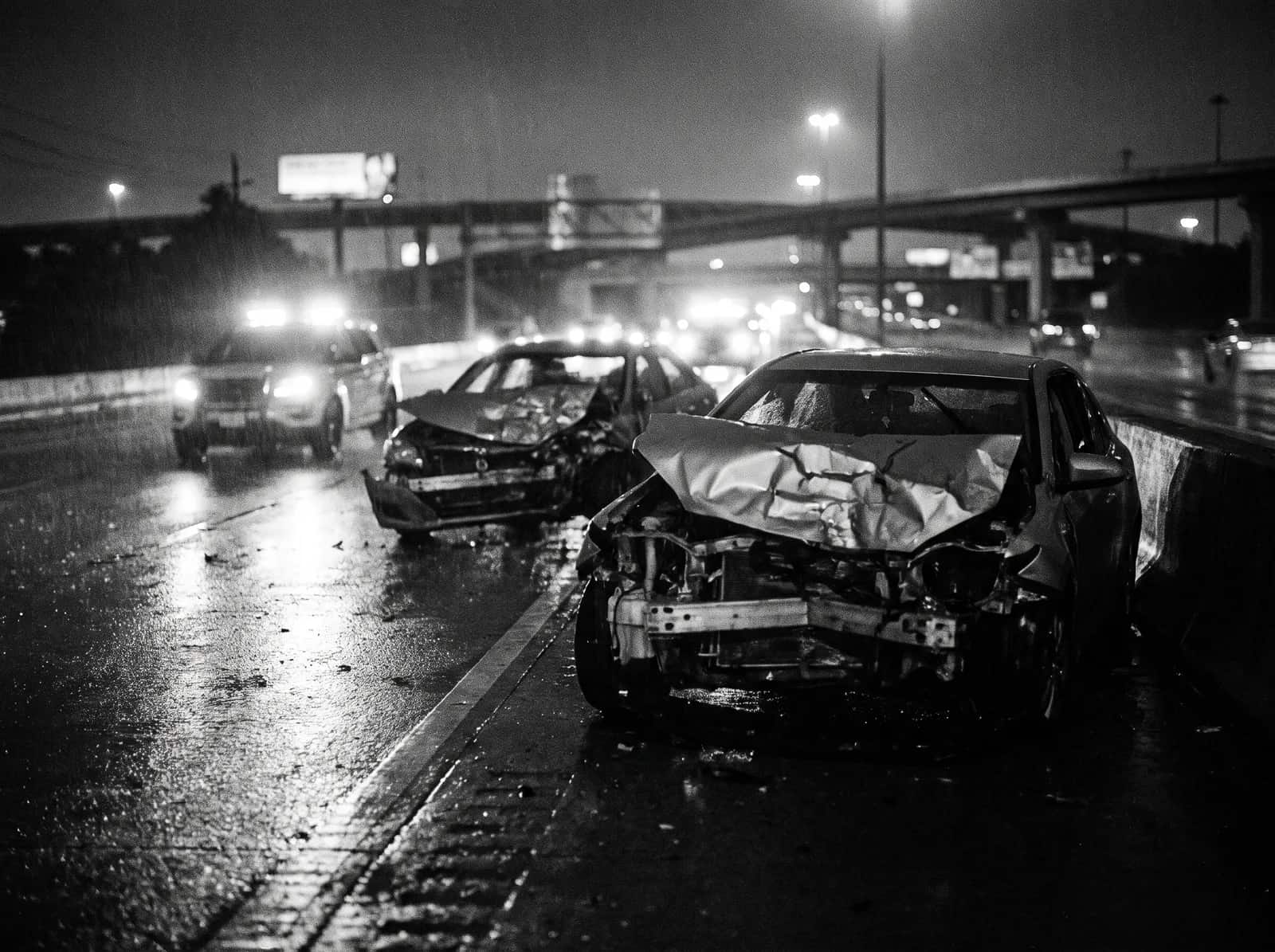
The facts, as the Court describes them: on the afternoon of December 30, 2014, a pickup carrying a mother and her three children was traveling east on I-20 near Odessa during a winter weather advisory, with ice on the roads. The pickup's driver lost control, and in two to three seconds the truck crossed a 42-foot grassy median, entered westbound traffic, and collided with a Werner 18-wheeler driven by a driver in training. One child was killed and three family members were severely injured. The plaintiffs' own expert testified that the truck driver's split-second reaction was appropriate.
The plaintiffs proved at trial that the 18-wheeler's speed, below the speed limit but unsafe for icy conditions, likely contributed to the crash or the severity of the injuries. The jury found Werner and its driver liable. The Supreme Court held that this proof was not enough. Proximate cause requires that the defendant's negligence be a substantial factor in causing the injury, and the Court concluded that the sole proximate cause was the pickup's sudden crossing into oncoming traffic. The truck's presence and speed furnished the condition that made the injuries possible, but did not proximately cause them.
Because the driver's conduct was not a proximate cause, the Court did not reach the other issues, including the claims against the company itself for how it trained and supervised the driver. Commentators have read the decision as limiting claims against employers when the employee's conduct is not legally linked to the injury.
What it means for truck crash victims: Werner does not change the rules for the typical truck case, where the truck driver's own conduct, such as following too closely, fatigue, distraction, speeding, or an unsafe lane change, directly causes the crash. It does mean that in cases where another vehicle's sudden loss of control is the overwhelming cause, a claim against a trucking company that merely happened to be there will face a high bar. Causation evidence, from the truck's electronic data to video and reconstruction, matters more than ever.
It also underlines why truck cases should be investigated early. Hours-of-service logs, dashcam footage, and engine data are controlled by the carrier, and federal rules require some records to be kept for only six months. Under proportionate responsibility, every party's share of fault is weighed, and the evidence decides who that includes.
The record in Werner also shows how much the conditions mattered. The opinion describes a winter weather advisory that morning, freezing rain by mid-afternoon, several other crashes on that stretch of I-20 in the 90 minutes before the collision, including vehicles crossing the median, and first responders who had to travel at about 10 to 15 miles per hour because the roads were so icy. Those facts shaped the Court's view of what really caused the crash.
Owsley Law Firm handles 18-wheeler and commercial truck cases across Texas from two Houston offices. The team answers calls 24/7, and there is no fee unless we win.
Related
Read next
Sources