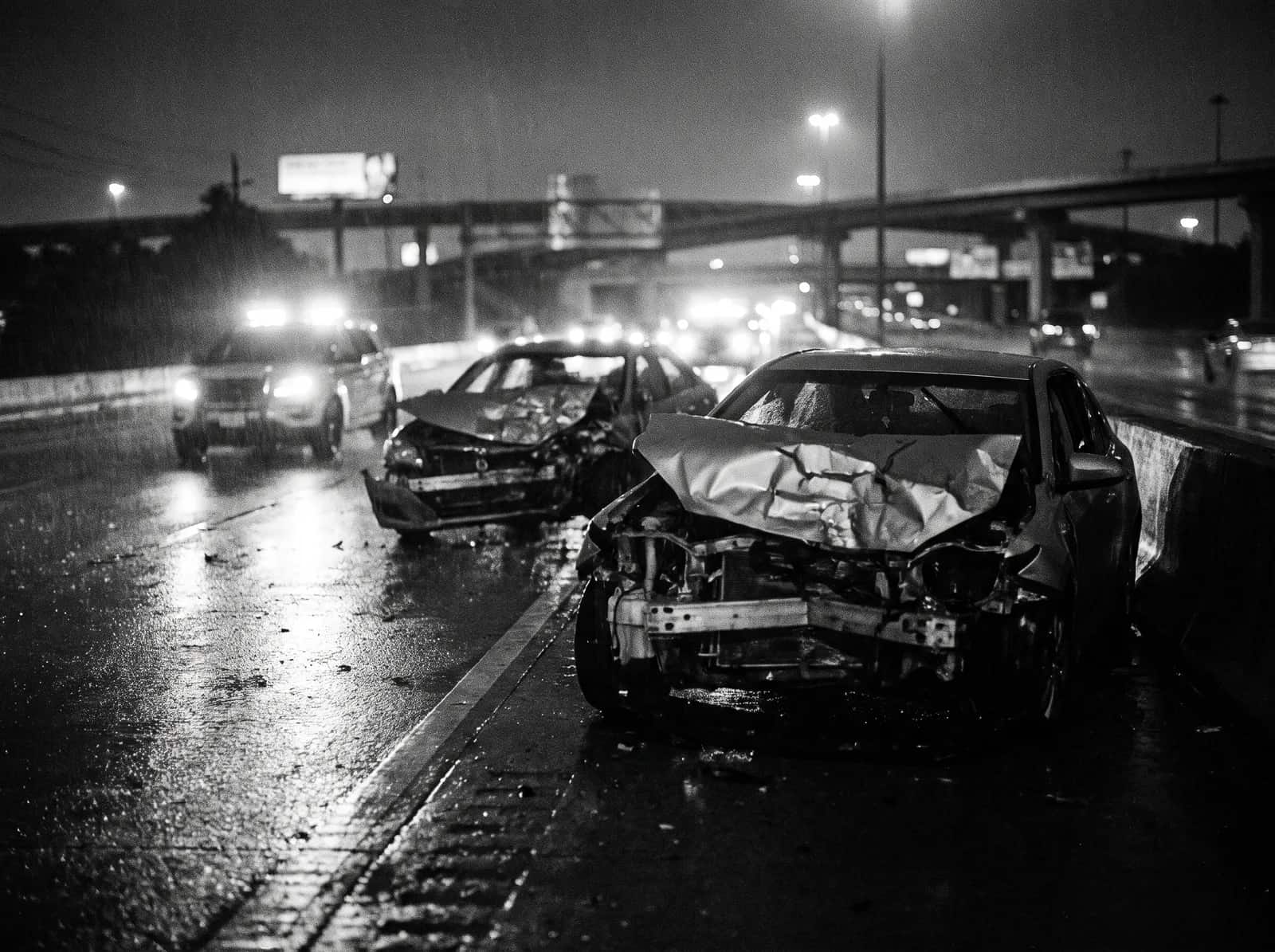

Internal injuries after a Texas car accident, such as organ damage or internal bleeding, can be life-threatening and may not be obvious at first. They can support a serious injury claim. Owsley Law Firm offers a free review and no fee unless we win.
Some of the most dangerous crash injuries cannot be seen. Force from a collision can damage organs, tear blood vessels, or cause bleeding inside the body, sometimes with few outward signs. A person can feel shaken but stable at the scene and be in serious trouble hours later.
That is why emergency evaluation matters after any significant crash, even when you feel okay. It is also why these claims, which often involve surgery, intensive care, and long recovery, can be among the most serious injury cases a Texas car accident lawyer handles.
If you are a family member reading this on behalf of an injured loved one, know that you can start the process for them. Collect the crash report number, the hospital name, and the insurer information, and let the hospital and a lawyer handle the rest while the patient recovers.
What counts as an internal injury
Internal injuries include damage to the spleen, liver, kidneys, lungs, bowel, and blood vessels, along with internal bleeding.
The seat belt and steering wheel can bruise or rupture organs beneath the abdomen and chest. A spleen or liver laceration can bleed heavily. Broken ribs can puncture a lung. Deceleration can tear blood vessels, including the aorta in severe crashes.
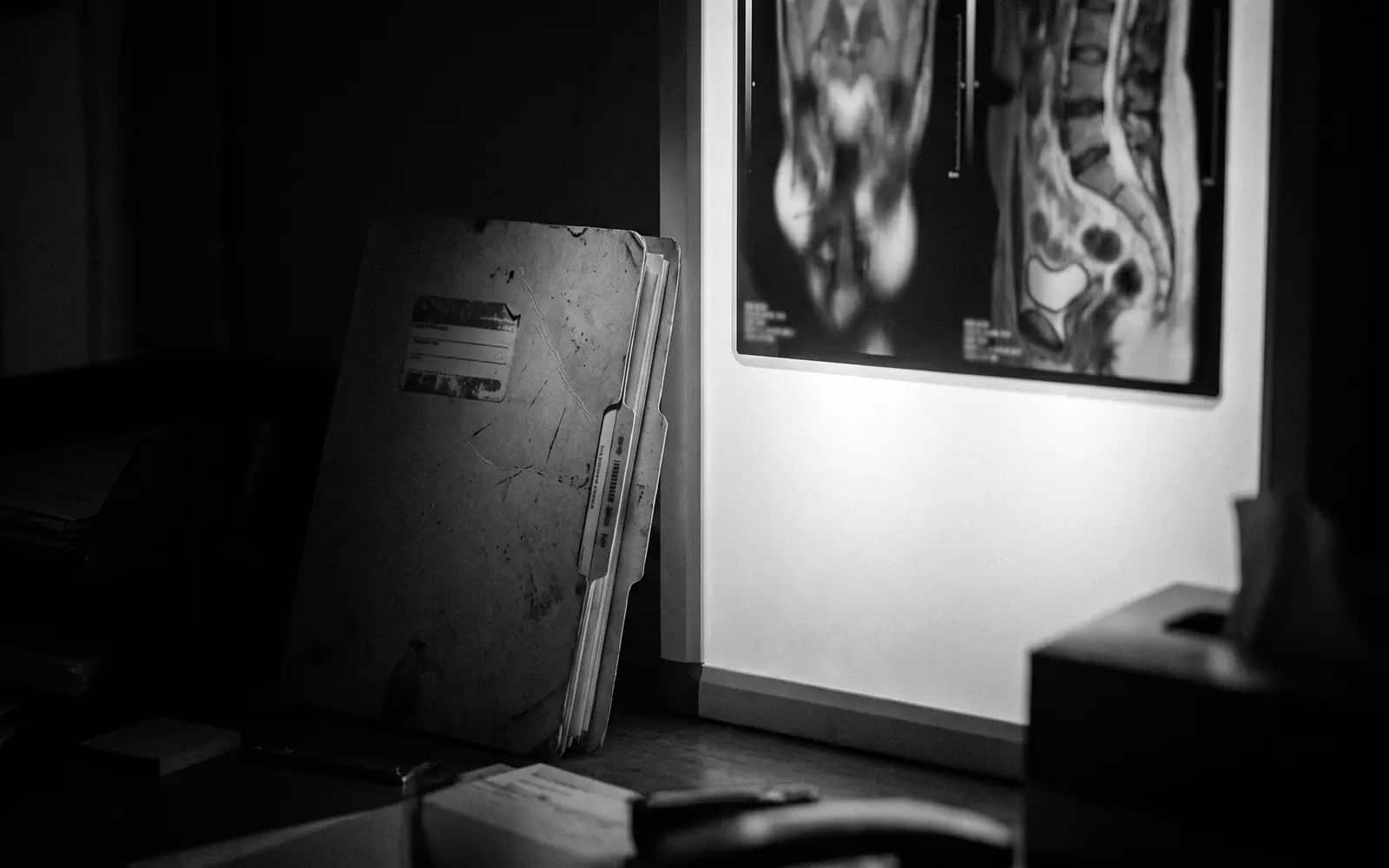
Some injuries are found on arrival at the emergency room through CT scans and ultrasound. Others are found only when symptoms develop later, which is why emergency staff often observe patients after high-speed collisions.
Warning signs that need immediate care
Abdominal pain, dizziness, a swollen or rigid belly, pale skin, and shortness of breath after a crash call for emergency evaluation.
Internal bleeding may show up as growing abdominal pain or tenderness, bruising across the belly or flank, lightheadedness, fainting, a fast heartbeat, or blood in urine or stool. Chest injuries may cause trouble breathing or sharp pain with each breath.
If you have any of these signs after a crash, go to an emergency room immediately. Do not wait to see if it passes, and do not drive yourself if you feel faint.
- Abdominal pain or a swollen belly
- Bruising on the chest, belly, or side
- Dizziness, fainting, or a racing pulse
- Shortness of breath or chest pain
- Blood in urine or stool
- Pale, cold, or clammy skin
Why prompt records matter
An emergency room visit right after the crash proves the injury, its timing, and its cause.
Seeing a doctor the same day creates a clear medical record that ties the injury to the crash. Skipping the visit because you feel fine can be used against you if a hidden injury appears days later.
Ask for copies of your discharge papers and imaging reports. Keep them along with any follow-up visit records. If you were transported by ambulance, that record is also evidence of the seriousness of the crash.
Surgery, hospital stays, and long-term consequences
Internal injuries often require surgery and extended hospitalization, and some lead to permanent organ effects.
Treatment may include emergency surgery, blood transfusions, and days or weeks in intensive care. Removal of a damaged organ, such as the spleen, can affect immune function for life. Injuries to the bowel or kidneys can require ongoing treatment.
Hospital bills in these cases can be large. Texas limits recovery of medical expenses to amounts actually paid or incurred, so how bills are paid and adjusted matters. Future care, such as monitoring, medication, and follow-up surgery, also belongs in the claim.
Coverage and fault in serious injury cases
When injuries are severe, available insurance becomes one of the most important questions in the case.
Serious injuries can exceed the at-fault driver's policy limits quickly. That makes it important to identify all sources of coverage, including your own underinsured motorist coverage and, in commercial vehicle cases, the carrier's policy. Truck and rideshare crashes may involve several layers of insurance.
Texas also reduces recovery by your percentage of fault and bars it above 50 percent. Preserving evidence of the crash, such as vehicle data, photographs, and video, protects your position while you focus on recovery.
What to do in the first 24 hours
Get emergency care, follow discharge instructions closely, and preserve the basics of your claim.
If there is any chance of internal injury, go to the emergency room, and tell the staff exactly how the crash happened. Follow discharge instructions, including warnings about symptoms that should send you back. If you are admitted, ask a family member to gather the crash report number, the other driver's information, and photographs from the scene.
Do not give a recorded statement to any insurer during this period. You are ill and possibly medicated, and you cannot yet know the full extent of the injury. Politely say you will call back after you have had time to recover and to get advice.
Once you are stable, keep a folder for hospital paperwork, bills, and letters. Ask your lawyer to send a preservation letter for vehicle data, video, and any commercial records if a truck or company vehicle was involved. Early steps protect evidence that disappears fast.
What evidence proves it
- Emergency room and hospital records
- CT scans, ultrasound, and surgical reports
- Ambulance and paramedic records
- Physician statements on long-term effects and future care
- Hospital billing records and insurance payment records
- Crash report and vehicle photographs
Mistakes that cost people money
- Refusing transport because you feel okay
- Skipping the emergency room after a high-speed crash
- Delaying care when belly pain grows
- Signing releases before the full medical picture is known
- Discussing the case with insurers while hospitalized
Frequently asked questions
Can I have internal bleeding and feel fine?
Yes. Symptoms can be delayed. If you were in a significant crash, get evaluated in an emergency room even if you feel okay.
How long after a crash can internal injuries appear?
Some appear within hours, and others take days. Any new pain or dizziness after a crash should be evaluated promptly.
What compensation is available for internal injuries?
Damages can include medical bills, future care, lost income, and pain and physical impairment, depending on the facts.
Should I contact a lawyer while I am in the hospital?
You can. A family member can call for you. Owsley Law Firm offers free case reviews and can help protect evidence while you focus on recovery.
This page is general information about Texas law and is not legal or medical advice. Every case depends on its own facts. Contact the firm for a free review of yours.
Keep reading