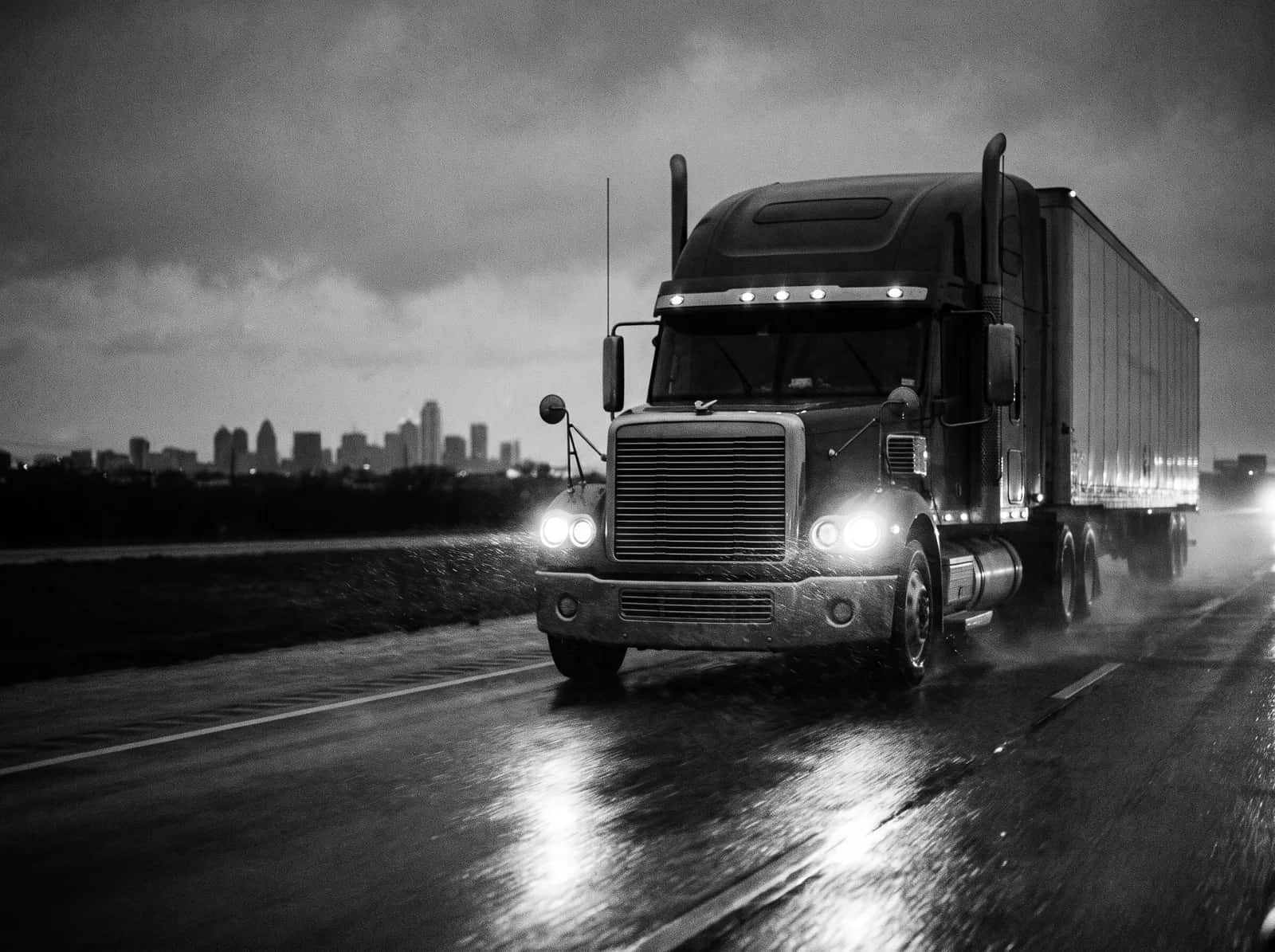
You can usually pursue both the driver and the company. Texas holds an employer responsible for an employee’s negligent driving within the course and scope of the job, company vehicles typically carry far more insurance than the 30/60/25 minimum, and the company can also be liable for its own negligence in hiring, training, or entrusting the vehicle.
A crash with a company truck, van, or car is a different claim from a crash with a private driver. Under the doctrine Texas courts call respondeat superior, an employer answers for the negligence of an employee who was acting in the course and scope of employment. That matters because the company, not just the driver, becomes a defendant, and the company’s commercial policy becomes available.
The first fight is usually whether the driver was working. A plumber driving between service calls, a sales representative visiting clients, or a delivery driver on a route is plainly on the job. A driver who detoured for a personal errand, or who was commuting before the shift began, gives the company an argument that the employee was on a frolic of his own. Dispatch records, GPS and telematics data, delivery logs, fuel cards, and phone records usually answer the question, and they need to be preserved before the company’s retention cycle deletes them.
The company can also be liable for its own conduct, separate from the driver’s. Negligent hiring, retention, and supervision claims ask whether the company knew or should have known the driver was unsafe: a suspended license, prior crashes, failed drug tests, or a record of speeding tickets. Negligent entrustment asks whether the company handed a vehicle to someone it knew was unqualified. These claims open the company’s files, including the driver qualification records, training, and vehicle maintenance history.
Insurance is the practical reason this matters. Texas requires only $30,000 per person in liability coverage for private drivers under Transportation Code section 601.072. Business fleets usually carry commercial auto policies with higher limits and often an umbrella policy on top. If the vehicle is a commercial motor vehicle of 10,001 pounds or more used in interstate commerce, federal safety rules and federal minimum insurance levels also apply.
Damages are the same as in any Texas injury case: medical expenses past and future, lost earnings and earning capacity, physical pain, mental anguish, physical impairment, and disfigurement. What changes is the size of the coverage behind the claim and the number of records available to prove it. Company cases also tend to involve adjusters who handle fleet claims every day, so a written claim backed by medical records and the company’s own data is far more effective than phone calls.
Owsley Law Firm handles company vehicle crashes across Texas, sends preservation demands for the company’s vehicle and driver records, and charges no fee unless it wins.
What to do, step by step
- Get the company name and vehicle number from the door or bumper.
- Photograph the vehicle, its markings, and the plate.
- Call the police and request the crash report.
- Have a lawyer send a preservation demand to the company.
- Use your own PIP coverage for early medical bills.

Independent contractor status is the most common defense. Many delivery and service companies classify drivers as contractors, then argue the company is not responsible for their driving. Whether a worker is an employee for liability purposes turns on the company’s right to control the details of the work, not on the label in a contract. Uniform and vehicle requirements, route assignments, and scheduling control are all evidence.
Government vehicles follow different rules. If the vehicle belonged to a city, county, school district, or state agency, the Texas Tort Claims Act applies, with damages caps and a six-month written notice requirement, shorter under some city charters.
Timing matters more in company vehicle cases than in most. Fleet telematics systems and dashcams often overwrite data on a rolling cycle, and drivers’ phones and logs can be replaced. A written preservation demand sent early puts the company on notice that deleting the data could be treated as spoliation of evidence.
Mistakes that cost people money
- Giving a recorded statement to the company’s fleet insurer before talking to a lawyer.
- Assuming only the driver’s personal policy applies.
- Waiting so long that the company’s GPS, telematics, and dashcam data is overwritten.
- Signing a property damage release that also releases injury claims.
Related questions
What if the driver was on a lunch break?
It depends on the facts. A driver on a personal errand may be outside the course and scope of employment, while a driver making a work stop during the day may not. Dispatch and GPS records usually decide it.
Can I sue the company directly?
Often yes, both for the driver’s negligence through the employer’s responsibility and for the company’s own negligence in hiring, supervising, or entrusting the vehicle.
Does the company’s insurance pay my medical bills while the claim is pending?
Usually not until the claim resolves. Your own personal injury protection coverage can pay medical bills and lost income in the meantime, regardless of fault.
Read next