
Yes. Not wearing a seat belt does not bar your claim in Texas. Since Nabors Well Services v. Romero in 2015, the defense can offer evidence that you were unbelted, but only to argue that your share of responsibility for your injuries should be increased, and only with evidence tying the missing belt to the injuries.
Transportation Code section 545.413 requires anyone 15 or older riding in a seat with a safety belt to wear it, and makes the driver responsible for securing passengers younger than 17 who are not in a child safety seat. Breaking that rule is a traffic offense. It does not take away the right to recover from the driver who caused the crash.
For years Texas excluded seat belt evidence from injury trials entirely. In Nabors Well Services v. Romero, 456 S.W.3d 553 (Tex. 2015), the Texas Supreme Court changed that. Evidence that an injured person was not wearing a seat belt is now admissible to apportion responsibility under Chapter 33 of the Civil Practice and Remedies Code, if it is relevant to the injuries.
Relevance is the key limitation. The defense must connect the missing belt to the injuries, usually with an expert in biomechanics or accident reconstruction. A belt helps in some crashes and not others. It may not change a leg crushed by intrusion into the footwell, or an injury from a side impact, the same way it changes ejection or a head striking the windshield.
The effect is a percentage, not a bar. If a jury finds you partly responsible for your own injuries, your recovery is reduced by that share. You are barred only if your total share exceeds 50 percent, which seat belt evidence alone rarely produces when the other driver caused the crash.
Insurers bring up the seat belt early, often in the first phone call, to set expectations low. The answer to that tactic is not to argue on the phone but to let the evidence speak: the crash report, the vehicle damage, the airbag deployment data, and the injuries themselves. An adjuster who sees a well-documented claim is less likely to rely on an unproven seat belt discount.
Insurers raise the seat belt question early to discount offers. Owsley Law Firm answers it with the vehicle evidence and medical records, and charges no fee unless it wins.
What to do, step by step
- Get medical care and tell providers how the crash happened.
- Keep the vehicle until the restraints can be inspected.
- Photograph the interior, airbags, and belts.
- Do not discuss belt use with the other driver’s insurer.
- Talk to a lawyer about how the crash type affects the argument.
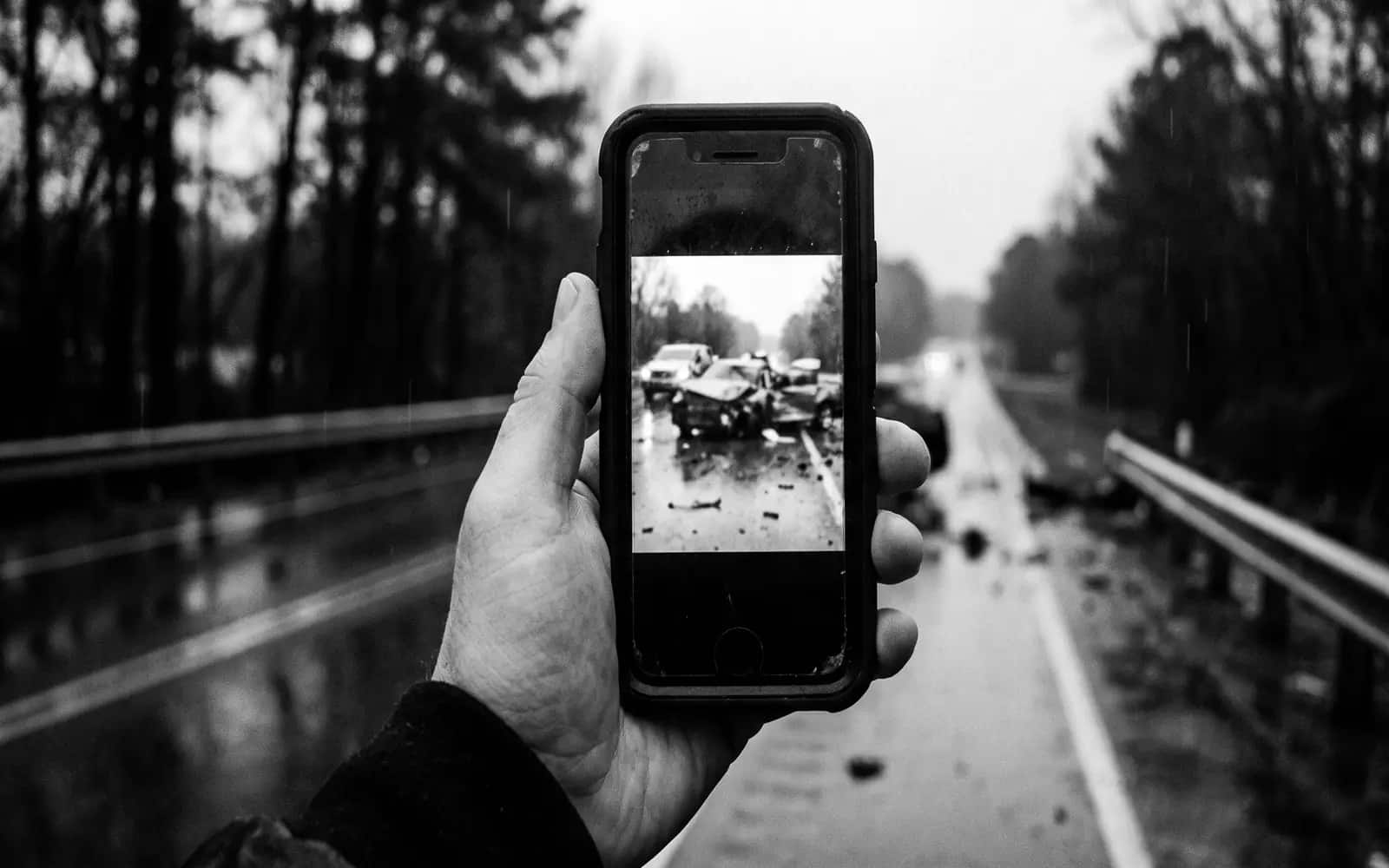
The seat belt argument often depends on the type of crash. In a frontal impact, an unbelted occupant may strike the steering wheel or windshield. In a side impact or a crash with heavy intrusion, a belt may make little difference to the injuries that matter. The defense has to prove the difference, not assume it.
Children are treated separately. The driver is responsible for securing passengers younger than 17, and the law places the duty to buckle a child on the driver.
Medical evidence often answers the seat belt argument. Treating physicians and biomechanical experts can explain which injuries a belt would have prevented and which it would not have changed. Many crash injuries, including those from intrusion into the cabin or from a side impact, occur whether or not the occupant was belted.
Mistakes that cost people money
- Admitting to an adjuster that you were unbelted without context.
- Assuming the claim is worthless because you were not buckled.
- Letting the vehicle be destroyed before the restraint system is inspected.
- Ignoring how the crash type affects whether a belt would have helped.
Related questions
Will not wearing a seat belt reduce my settlement?
It can, if the insurer can show the missing belt made your injuries worse. The reduction is a percentage tied to the evidence, not an automatic cut.
What if my seat belt failed?
A belt that unlatched, tore, or failed to lock may support a product liability claim against the manufacturer. Preserve the vehicle and the belt.
Does the other driver’s fault matter if I was unbelted?
Yes. The other driver’s negligence in causing the crash is still the main question. Seat belt evidence goes to your share of responsibility for the injuries.
Read next