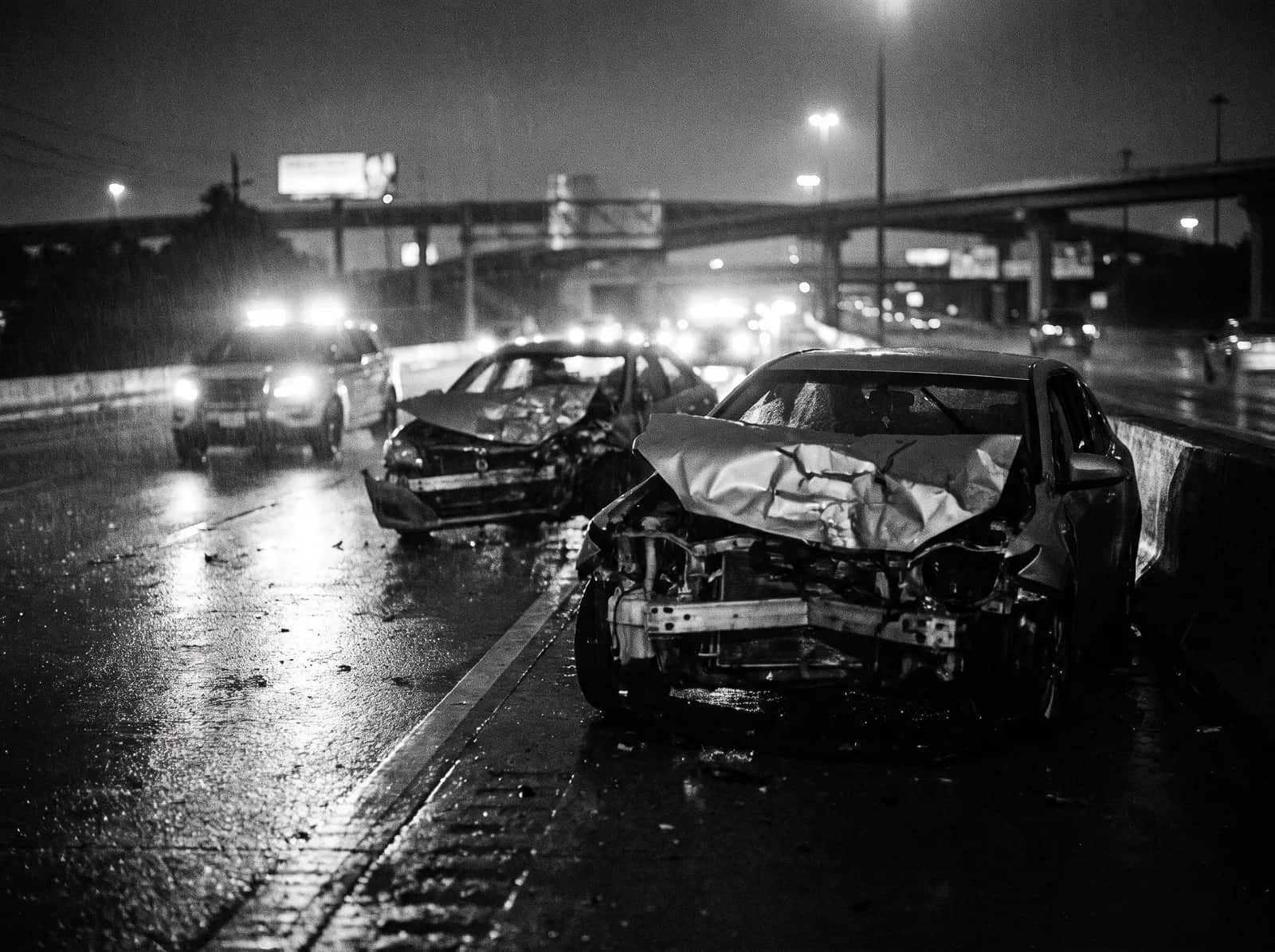

Yes. A traffic ticket is a criminal matter, and the injury claim is a civil one decided on its own evidence. Officers often arrive after the crash and decline to cite anyone, but fault is decided by the facts: video, photos, witnesses, vehicle damage, and the traffic laws themselves.
Police officers usually do not see the crash. They arrive afterward, talk to the drivers, and make a judgment in a few minutes, often while one driver is being treated or has already left in an ambulance. Many crashes end with no citation at all, and that is not a finding that nobody was at fault.
The civil standard is different. In an injury claim, fault is decided under negligence rules by a preponderance of the evidence, and under Chapter 33 of the Civil Practice and Remedies Code responsibility can be divided among the drivers. A violation of a traffic statute, such as following too closely or failing to yield, can show negligence whether or not a ticket was written.
The evidence that decides fault is often still out there. The point of impact, the damage pattern, skid marks, dash cam and business video, witness statements, and the vehicles' recorded crash data can establish what happened more reliably than a citation decision.
A ticket does not guarantee a claim either. An insurer still evaluates the injury, the treatment, and the coverage, and a citation that was dismissed or paid without a contest may carry little weight.
If the crash report leaves out witnesses or gets facts wrong, a supplement or correction can sometimes be requested. Owsley Law Firm investigates fault independently and charges no fee unless it wins.
What to do, step by step
- Get the crash report and read the narrative and diagram.
- Write down your account and collect witness names.
- Ask nearby businesses for video right away.
- Request a correction or supplement if the report is wrong.
Insurers sometimes point to the lack of a citation as a reason to deny. That is a negotiating position, not a rule, and it often changes when the evidence is presented.
Vehicle data can be decisive. Many cars record speed and braking in the seconds before a crash, and commercial trucks record far more.
Texas proportionate responsibility means the question is often how fault is shared, not whether one driver gets a ticket.
Mistakes that cost people money
- Giving up on a claim because no one was cited.
- Waiting so long that business video is overwritten.
- Giving a recorded statement to the other insurer to explain the missing ticket.
Related questions
Can I get a ticket added later?
Citations are up to the police and prosecutors. The civil claim does not depend on one.
What if I was the one ticketed?
A citation does not decide the civil claim, and fault can still be shared or disputed with evidence.
Does the officer's opinion bind the insurer?
No. Insurers and juries weigh the whole record, including evidence the officer did not have.
Read next