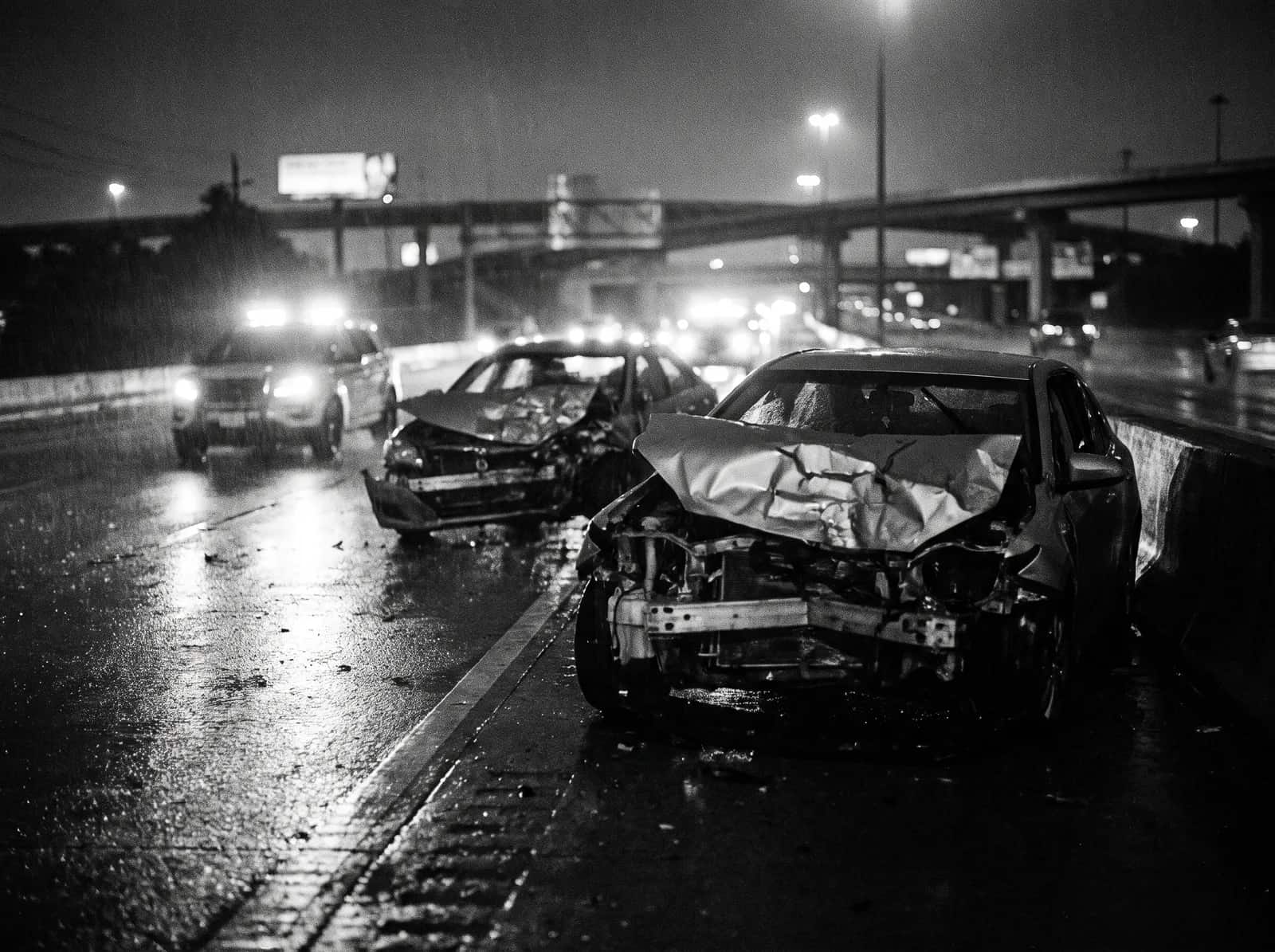

Usually several sources in order: your own PIP or MedPay first, regardless of fault, then your health insurance, and finally the at-fault driver’s liability insurer, which pays nothing until the claim settles. A lawyer coordinates them so bills do not go to collections while the case is pending.
Texas is a fault state, but the at-fault driver’s insurer does not pay medical bills as they come in. It pays once, at settlement or judgment. That gap is why the order of payment matters.
Personal Injury Protection comes first for most Texans. Insurance Code section 1952.152 requires PIP on every auto policy unless you rejected it in writing, with at least $2,500 per person under section 1952.153, and section 1952.155 says it pays without regard to fault. It covers you and passengers in your car. Some people also carry Medical Payments coverage, which works similarly.
Health insurance pays next, at its contracted rates. It will usually want to be repaid from the settlement, but Chapter 140 of the Civil Practice and Remedies Code limits most insurers to the lesser of what they paid or half of your recovery, after a share of attorney’s fees, when you have a lawyer. Medicare, Medicaid, and many self-funded employer plans follow federal rules instead.
If you have no health insurance, providers may treat you under a letter of protection, a promise to pay from the settlement. Hospitals that admit you within 72 hours of the crash also get a lien on the claim under Property Code chapter 55.
Finally, the at-fault driver’s liability coverage pays your damages, including medical expenses. Under Civil Practice and Remedies Code section 41.0105, recovery of medical expenses is limited to amounts actually paid or incurred, not the full list price. Owsley Law Firm tracks every bill, lien, and payment so the numbers at settlement are right.
What to do, step by step
- Report the crash to your own insurer and ask about PIP and MedPay benefits.
- Give every provider your health insurance information, even if you plan to claim against the other driver.
- Keep every bill, explanation of benefits, and receipt in one place.
- Tell providers if you have a lawyer, so bills go to the right place.
- Do not let bills go to collections without telling your lawyer.
PIP benefits are paid regardless of fault, so using them does not admit fault. Section 1952.156 of the Insurance Code requires payment within 30 days after the insurer receives proof of the loss.
The at-fault driver’s minimum policy of $30,000 per person often runs out, so coordinating other sources protects your recovery.
Uninsured and underinsured motorist coverage can also pay medical expenses when the at-fault driver has no insurance or too little, once liability and damages are established under Brainard v. Trinity Universal (2006). That is often the difference between a recovery that covers the bills and one that does not, because the Texas minimum liability limit is only $30,000 per person.
Billing mistakes are common. Providers sometimes bill the auto insurer and the health plan at once, or send an account to collections while a claim is pending. Tell every provider in writing who to bill, keep the explanations of benefits your health plan sends, and forward any collection notice to your lawyer right away so it can be resolved before it affects your credit.
Future medical care is part of the claim too. If your doctors expect you to need more treatment, such as injections, surgery, or therapy, a settlement should account for it, because once the release is signed the at-fault driver’s insurer will not pay for care you need later.
Mistakes that cost people money
- Refusing to use health insurance because the other driver is at fault.
- Assuming the other driver’s insurer will pay bills as they arrive.
- Ignoring a hospital lien notice.
- Rejecting PIP when buying insurance to save a small premium.
Related questions
Does PIP raise my rates?
Rating practices vary by insurer. Using benefits you paid for is your right, and PIP is paid without regard to fault.
What if I have Medicare?
Medicare can pay and must be repaid from the settlement under federal law, so it has to be resolved before funds are released.
Can the hospital bill me directly?
Yes, unless the hospital agrees to wait. A lien under Property Code chapter 55 gives it a claim on the settlement as well.
Can I recover medical bills my health insurance already paid?
Your claim includes the amounts actually paid or incurred under section 41.0105, and your health plan may then seek repayment from the settlement, subject to Chapter 140 limits where they apply.
Read next