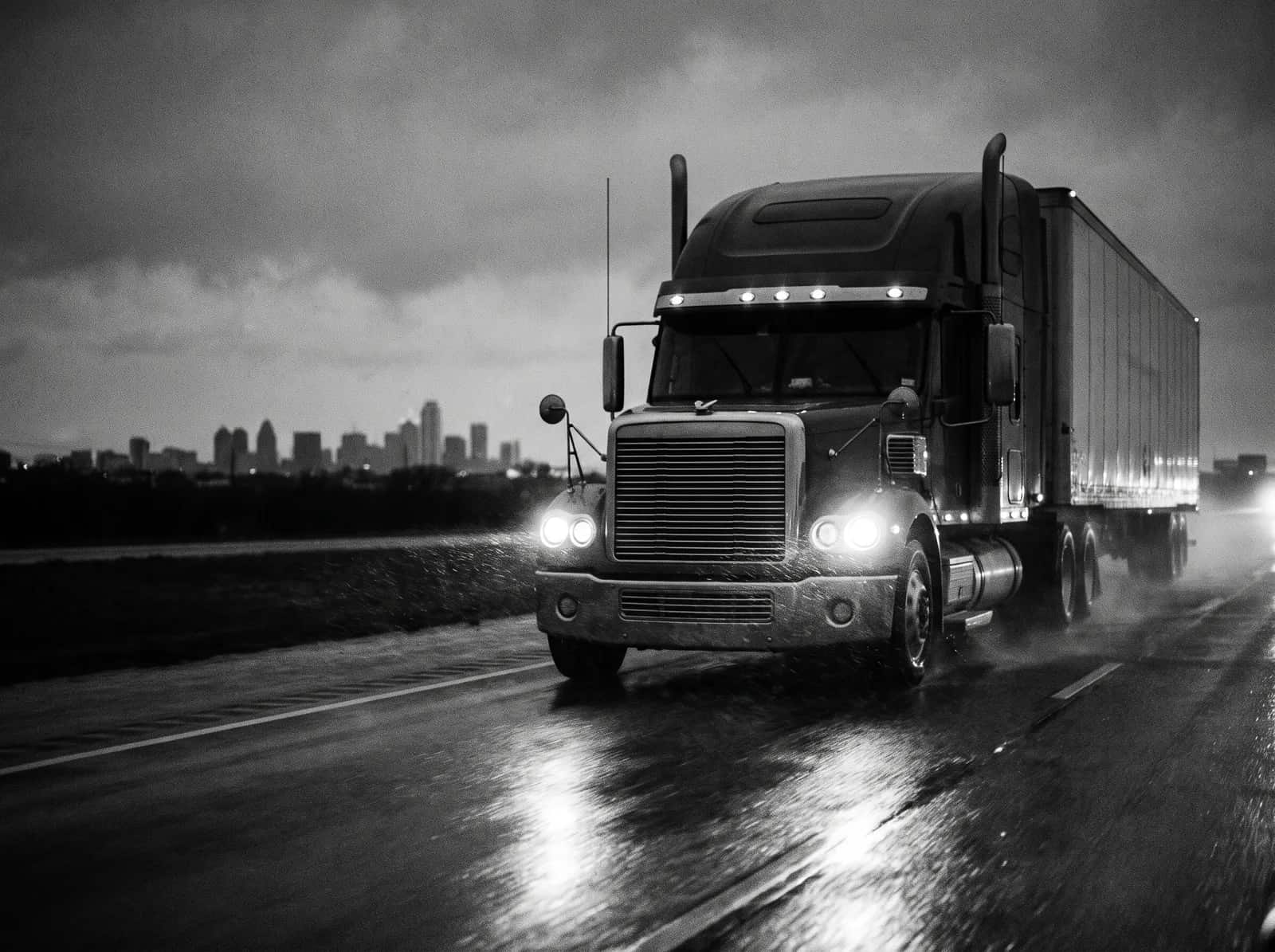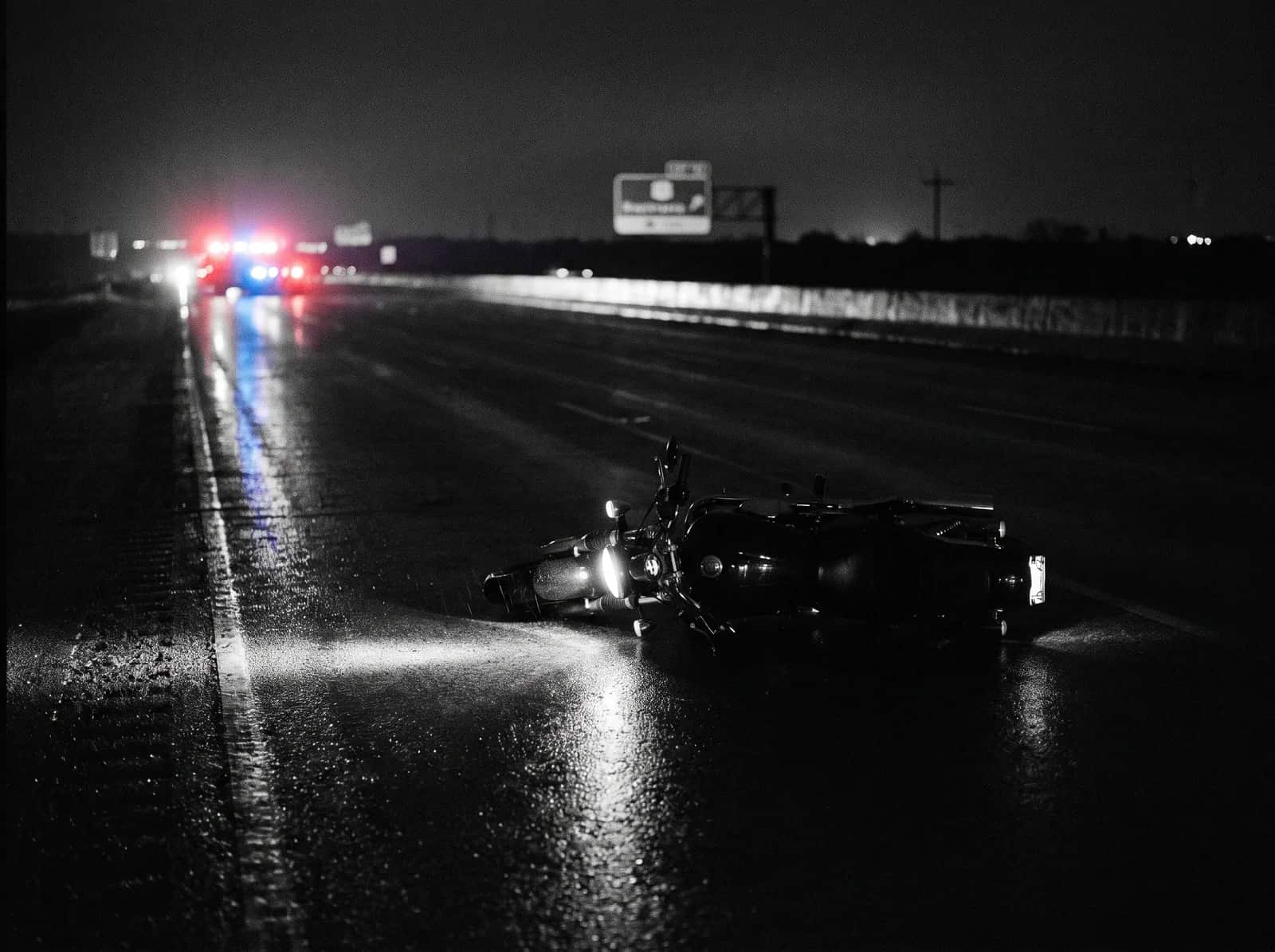

Tanker cases add federal hazardous materials rules, special driver endorsements, insurance minimums of $1 million or $5 million for many loads, and fire, spill, and cleanup issues that make evidence disappear fast. The negligence claim is the same; the proof and the coverage are not.
A tanker is a truck built to carry liquids or gases in bulk: fuel, crude oil, chemicals, liquefied gases, or food products like milk. The negligence claim works like any other truck case. You show the driver or carrier failed to use reasonable care and that the failure caused your injuries, and Texas proportionate responsibility rules decide how fault is divided. What changes is the layer of federal rules that governs who may drive the truck, how a hazardous load must be documented and operated, and how much insurance must stand behind it. Each of those rules can serve as a standard the carrier was expected to meet, and each produces records the carrier is required to keep, which is where a tanker case is usually won or lost.
The driver needs more than a basic commercial license. Under 49 CFR 383.93, a driver must pass a knowledge test and hold a state-issued endorsement to operate a tank vehicle, and a separate endorsement to transport hazardous materials. Checking the driver's license class, endorsements, and training is one of the first steps, and the carrier's driver qualification file should show them. A missing endorsement does not prove the crash was the driver's fault by itself, but it is evidence about whether the carrier should have put that driver in that truck, which supports claims against the company for negligent hiring or supervision. The carrier's training records and any prior incidents involving the driver belong in the same request.
Hazardous loads also carry operating rules in 49 CFR Part 397. A vehicle carrying hazardous materials on a public street or highway, or its shoulder, generally must be attended by its driver under 49 CFR 397.5, and it may not be parked on or within five feet of the traveled portion of the road except for brief periods when operations make it necessary, under 49 CFR 397.7. Under 49 CFR 397.67, placarded loads not subject to designated hazardous routes must avoid heavily populated areas, crowds, tunnels, narrow streets, and alleys unless there is no practicable alternative, and operating convenience is not a valid reason. A tanker left on a shoulder at night, or routed through a neighborhood to save time, raises questions these rules answer.
The insurance floor is higher. Under 49 CFR 387.9, a for-hire interstate carrier of nonhazardous property must carry at least $750,000. For-hire and private carriers hauling oil, or hazardous materials not in the top tier, must carry at least $1 million, and in intrastate commerce that tier applies to bulk loads. Carriers hauling hazardous substances in bulk in cargo tanks, portable tanks, or hopper vehicles, along with certain explosive, poison gas, and radioactive loads, must carry at least $5 million. Under 49 CFR 387.3, these rules reach private carriers of hazardous materials, not just for-hire companies. They are minimums, so the actual coverage may be higher, and a shipper, loader, or tank owner may carry separate policies.
Evidence after a tanker crash disappears in unusual ways. Cleanup crews may remove the cargo and the tank, fire can destroy parts of the truck, and emergency agencies take control of the scene. Shipping papers describing a hazardous load must accompany it under 49 CFR 177.817, and the carrier's logging data, dispatch messages, loading records, and tank inspection history sit with the company. Carriers must keep hours-of-service records for six months under 49 CFR Part 395, so a preservation letter should go out quickly. If you were exposed to fumes or a release, tell the doctor exactly what you smelled, touched, or breathed. Owsley Law Firm handles tanker truck claims across Texas and charges no fee unless it wins.
What to do, step by step
- Move away from any spill, smoke, or fumes and call 911.
- Photograph placards, the USDOT number, and the tank markings from a safe distance.
- Tell medical providers about any chemical exposure.
- Have a lawyer send preservation letters to the carrier, shipper, and loader.

Placards and shipping papers identify the cargo, which tells you which insurance tier applies and which rules governed the trip. Photographs of the placard from a safe distance are often the fastest way to capture that information.
A tanker crash may involve the motor carrier, the company that owns the tank trailer, the shipper that loaded it, and the receiver. Each can carry separate coverage, and each may hold different records about the load.
Mistakes that cost people money
- Assuming the general freight minimum is the only insurance.
- Overlooking the shipper or loader as a responsible party.
- Waiting until cleanup crews have removed the tank and cargo.
Related questions
How much insurance must a hazmat tanker carry?
At least $1 million for many hazardous loads and oil, and $5 million for certain bulk hazardous substances and the most dangerous materials, under 49 CFR 387.9.
Does the driver need a special license?
Yes. Federal rules require a tank vehicle endorsement and, for hazardous materials, a hazmat endorsement.
Can I claim for chemical exposure?
Yes, if the exposure caused injury. Medical documentation of the exposure and symptoms is essential.
Sources
Sources this page relies on
Read next