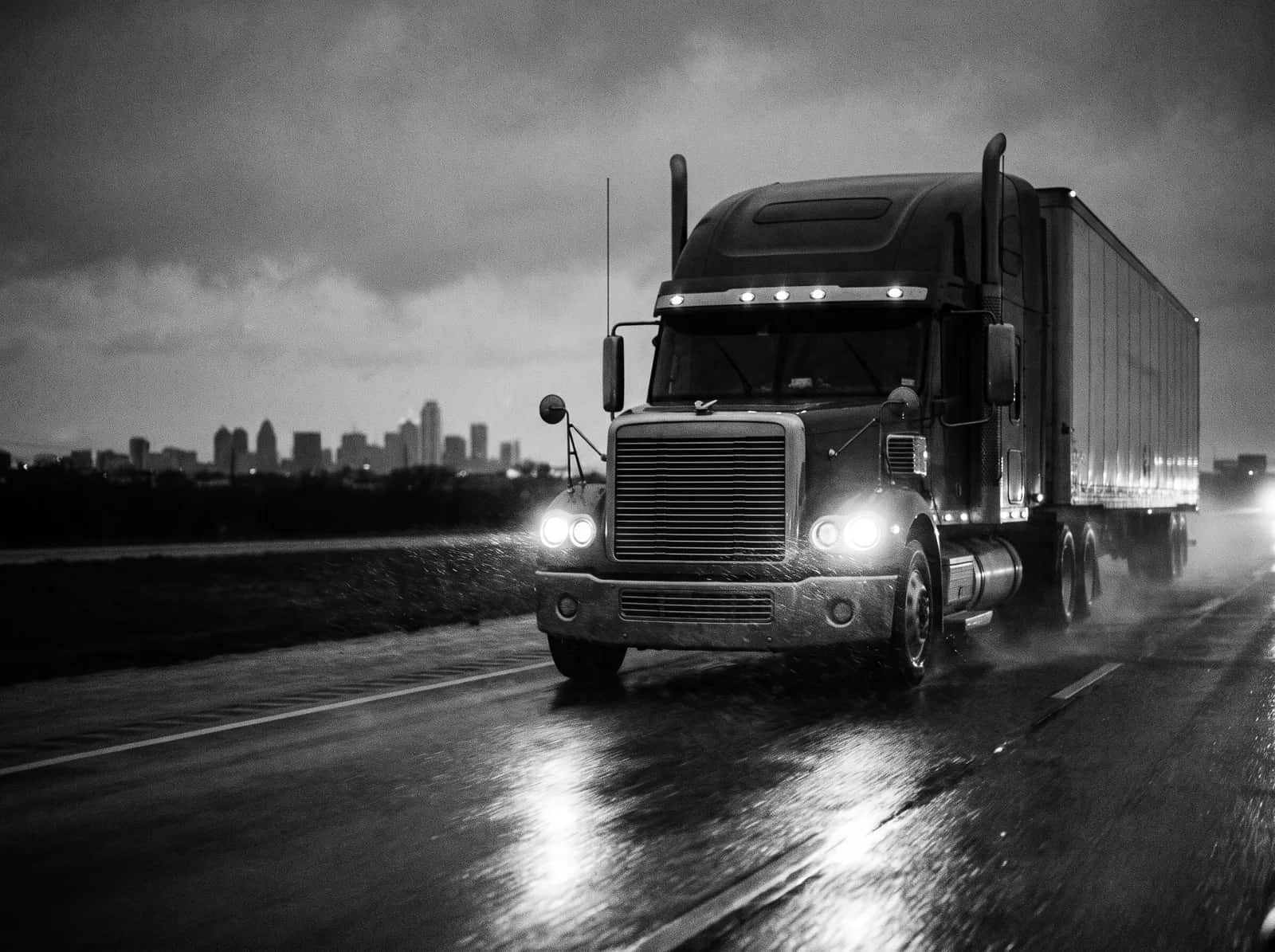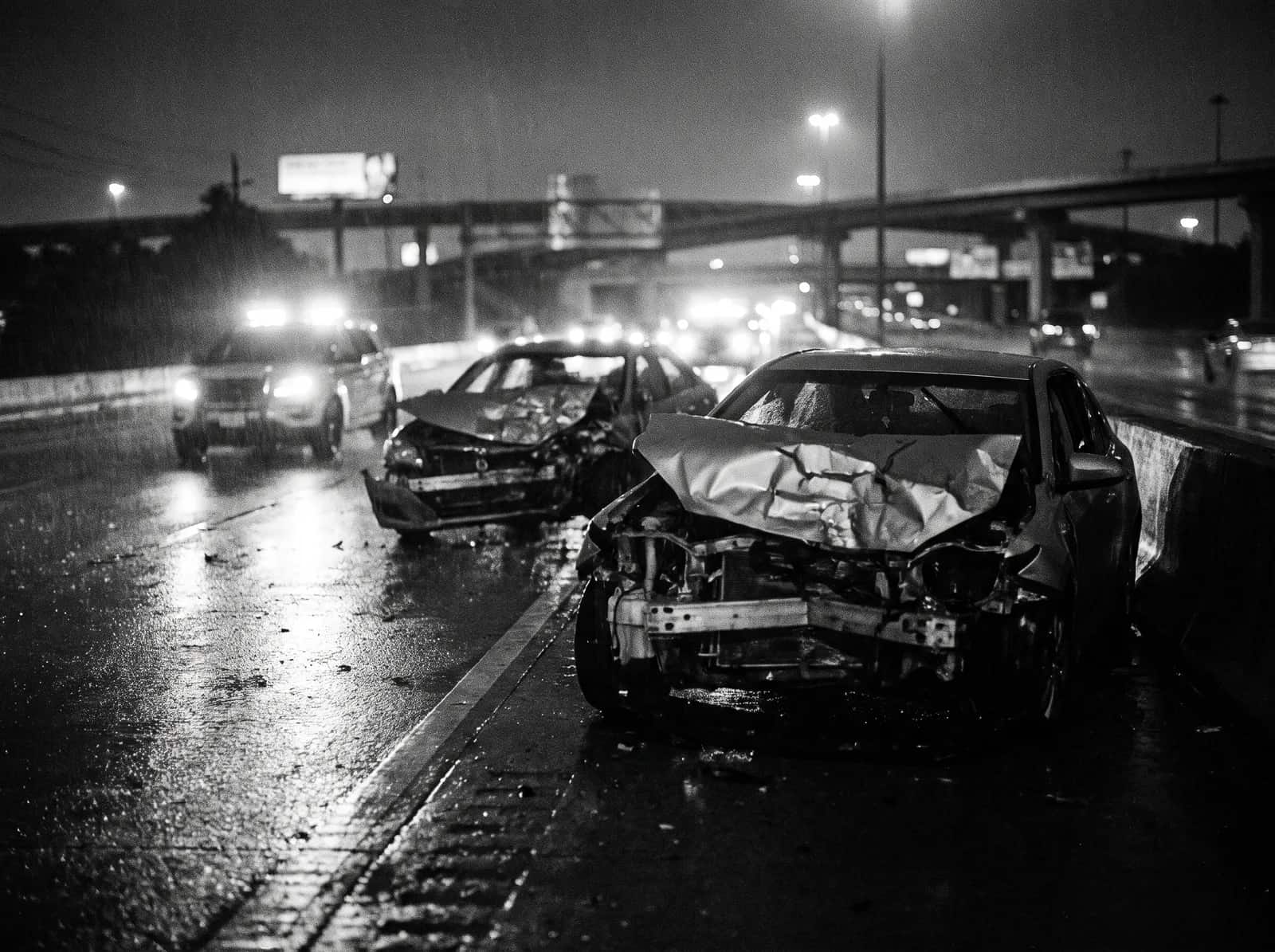

You can usually sue the driver and the trucking company in Texas. An interstate carrier that causes a crash on a Texas road is subject to Texas courts, must keep a designated agent for legal papers in every state it operates in, and must carry at least $750,000 in liability insurance for general freight under federal rules.
Most 18-wheelers on Texas interstates are based elsewhere. That does not move the case. Civil Practice and Remedies Code section 17.042 treats a nonresident who commits a tort in whole or in part in Texas as doing business here, so Texas courts can hear the claim, and section 15.002 generally places venue in the county where the crash happened.
Federal rules make the carrier reachable. Under 49 CFR 366.4, every interstate motor carrier must designate process agents for all 48 contiguous states and the District of Columbia, unless its authority is limited to fewer states, in which case it must designate agents for each state it operates in or crosses. Carriers file that designation with the Federal Motor Carrier Safety Administration, so there is a person in Texas to receive the lawsuit.
Federal safety and insurance rules apply too. Commercial motor vehicles of 10,001 pounds or more in interstate commerce fall under the Federal Motor Carrier Safety Regulations defined in 49 CFR 390.5, including driver qualification, hours of service, and inspection and maintenance rules. Under 49 CFR 387.9, for-hire carriers of general freight must carry at least $750,000 in liability coverage, and higher amounts apply to oil and certain hazardous materials.
Texas procedure applies as well. Chapter 72 of the Civil Practice and Remedies Code lets the trucking company ask for a bifurcated trial, and an employer’s stipulation that the driver was acting in the course and scope of employment limits certain direct negligence claims in the first phase.
Interstate carriers usually have experienced claims teams and defense lawyers who respond quickly. Some send representatives to the scene or to the hospital. Injured people are not obligated to talk to them, and nothing they say should be signed or recorded before a lawyer reviews it. A carrier’s early offer often arrives before the full extent of the injuries is known.
Evidence starts disappearing at once: the truck’s electronic control module, the driver’s electronic logging device data, dispatch records, and the driver’s qualification file. Owsley Law Firm sends preservation demands to out-of-state carriers and charges no fee unless it wins.
What to do, step by step
- Photograph the truck, trailer, and USDOT number.
- Get the driver’s and carrier’s names.
- Call the police.
- Have a lawyer send preservation demands for the ECM, ELD, and driver records.
- Do not give a statement to the carrier’s investigator.

The FMCSA’s public records can identify the carrier from the USDOT number on the truck’s door, along with its safety and inspection history. That number is worth photographing at the scene.
Out-of-state carriers often send investigators to the scene quickly. Talking to them before you talk to a lawyer can hurt your claim.
Brokers and shippers sometimes enter the picture. When a broker arranged the load or a shipper loaded it improperly, those companies may share responsibility depending on their role. Identifying them requires the bill of lading and dispatch records.
Mistakes that cost people money
- Talking to the carrier’s investigator before a lawyer.
- Not photographing the USDOT number.
- Waiting so long that ECM and ELD data is lost.
- Assuming the case must be filed in the carrier’s home state.
Related questions
Do I have to sue in the trucking company’s home state?
Usually not. A crash on a Texas road can generally be sued in Texas, in the county where it happened.
How much insurance does an interstate trucking company carry?
Federal rules require at least $750,000 for general freight, with higher amounts for oil and certain hazardous materials. Many carriers carry more.
Who can be responsible besides the driver?
The motor carrier, and sometimes the trailer owner, a maintenance contractor, or a shipper or loader, depending on what caused the crash.
Read next