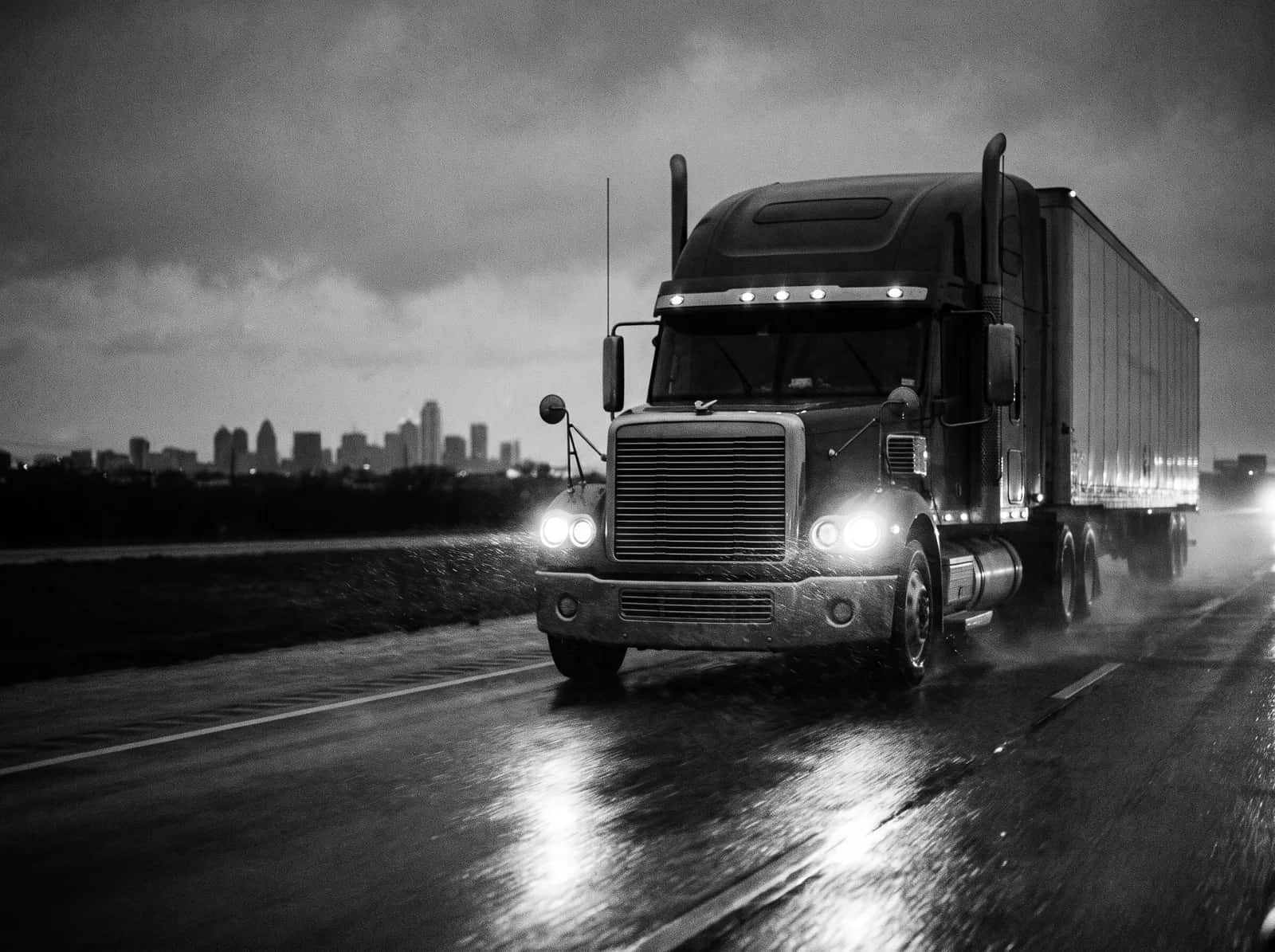

Interstate carriers hauling general freight must carry at least $750,000 under federal rules, with $1 million for oil and up to $5 million for certain hazardous materials. Texas intrastate carriers with trucks over 26,000 pounds must carry at least $500,000. Many carriers carry more.
Federal minimums apply to carriers that cross state lines or haul interstate freight. Under 49 CFR 387.9, a for-hire carrier hauling nonhazardous property in vehicles of 10,001 pounds or more must carry at least $750,000 in liability coverage. Carriers hauling oil need at least $1 million, and carriers hauling certain hazardous materials need $5 million.
Texas sets its own minimums for carriers that operate only within the state. The Texas Department of Motor Vehicles requires intrastate motor carriers with trucks over 26,000 pounds to file proof of at least $500,000 in coverage. Its table also sets $1 million for oil and fuels, $5 million for the most dangerous hazardous loads, and $300,000 for household goods movers with lighter trucks.
Those numbers are floors, not ceilings. Many carriers buy excess or umbrella policies on top of the primary policy, and a case may involve more than one company: the motor carrier, the owner of the trailer, a broker, a shipper that loaded the cargo, or a maintenance contractor. Each may have its own coverage.
Insurance matters because it often decides how much can actually be collected. A serious injury can exceed a minimum policy quickly, so identifying every policy early is part of the investigation. The carrier’s registration, its filings with the federal and state agencies, and discovery in a lawsuit are how those policies are found.
Leased trucks raise their own questions. Owner-operators often drive under a motor carrier’s operating authority, and the lease determines whose insurance applies when the truck is under dispatch. A truck that was not under dispatch at the time may be covered by a different policy, sometimes called bobtail or non-trucking liability coverage, which is why the driver’s activity at the moment of the crash matters.
Owsley Law Firm investigates every party and every policy in a truck case before valuing it. The consultation is free, and there is no fee unless the firm wins.

Brokers and shippers are a separate question from the carrier’s insurance. A freight broker that arranged the load and a shipper that loaded it may have their own liability policies, and whether they share responsibility depends on what they did: for example, hiring a carrier with a poor safety record, or loading cargo that shifted. Those facts come from the shipping documents, the broker agreement, and the carrier’s safety history.
Your own policy can matter even in a truck case. If the total available coverage is still not enough, your underinsured motorist coverage may add to the recovery, and personal injury protection can pay medical bills and lost wages early regardless of fault. Texas insurers must offer both with every auto policy under Insurance Code sections 1952.101 and 1952.152, and you keep them unless you rejected them in writing.
The applicable minimum depends on what the truck was hauling and where. A carrier hauling general freight between states falls under the federal $750,000 minimum; the same type of truck operating only inside Texas falls under the state’s $500,000 minimum. Oil, fuel, and hazardous materials raise both.
Not every commercial vehicle is a tractor-trailer. Delivery vans, box trucks, and service vehicles may fall under lower thresholds or under the company’s commercial auto policy. Identifying the vehicle’s weight rating and the company’s operating authority is part of finding the right coverage.
Mistakes that cost people money
- Assuming the driver’s personal policy is the only insurance.
- Settling with one insurer before identifying the excess and umbrella policies.
- Not identifying the broker, shipper, or trailer owner who may share responsibility.
Related questions
How do I find out a carrier’s insurance?
Federal and state filings show a carrier’s operating authority and required insurance, and a lawsuit allows discovery of every policy. A lawyer requests both.
What if the damages exceed the policy?
Other defendants, excess policies, and your own underinsured motorist coverage may apply. The investigation looks for all of them before valuing the claim.
Does a bigger company mean more insurance?
Often, but not always. Coverage depends on the policies actually in place, which is why they are confirmed rather than assumed.
Read next