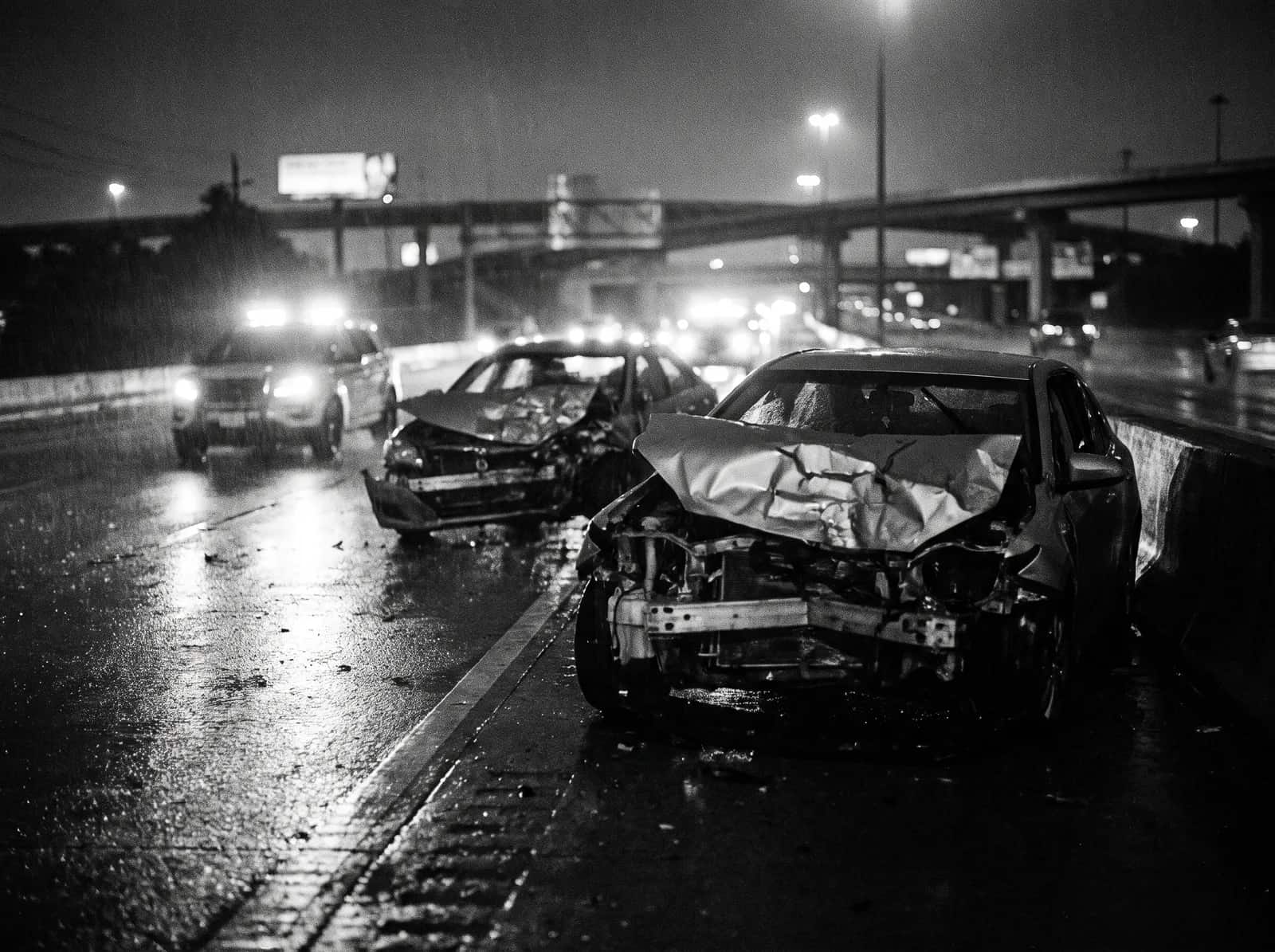

You can make a claim for your injuries, and during a ride Texas law requires at least $1 million in liability coverage on the driver. Whether Uber itself is liable depends on the facts, because Texas treats most rideshare drivers as independent contractors. A lawyer looks at both.
Texas requires every rideshare company to have a zero-tolerance policy. Occupations Code section 2402.106 requires a transportation network company to prohibit any amount of intoxication by a driver who is logged in to its network, to post the policy, and to investigate and suspend a driver after a passenger complaint.
The insurance follows the ride. Under Insurance Code section 1954.053, once a driver accepts a ride and until the passenger gets out, the policy must provide at least $1 million in liability coverage for death, bodily injury, and property damage. A drunk driver’s negligence is exactly what that coverage is for.
Suing the company directly is a different question. Occupations Code section 2402.114 treats drivers as independent contractors when certain conditions are met, which makes a claim against the company harder than a claim against an employer. But a company can still face claims based on its own conduct, for example if it ignored prior complaints about the same driver. That depends on records the company holds, which is why they are requested early.
If the driver was drinking at a bar or restaurant before the ride, the Texas dram shop law in Alcoholic Beverage Code Chapter 2 may allow a claim against the business that served an obviously intoxicated person. That can add another source of recovery.
The ride records matter as much as the police report. The app shows when the ride was accepted, the route, the speed data, and when the trip ended, and your receipt and messages show what you saw. Together they place the crash inside the $1 million coverage period and help show how the driver was behaving before it happened.
Report the driver in the app, keep your trip receipt, get medical care, and save any messages with the driver. Owsley Law Firm handles rideshare claims across Texas, requests the trip and app-status records, and charges no fee unless it wins.
What to do, step by step
- Get to safety and call 911 so police can test the driver.
- Report the driver in the app and screenshot the trip details.
- Get medical care the same day.
- Write down what you saw: the driver’s behavior, smell of alcohol, open containers.
- Call a lawyer before giving a statement to any insurer.
Uninsured and underinsured motorist coverage can matter in these cases too. Texas requires the rideshare policy during a ride to include uninsured or underinsured motorist coverage where required by section 1952.101, and personal injury protection where required by section 1952.152. If a third driver caused or contributed to the crash, those coverages can apply in addition to the liability coverage on your driver.
Exemplary damages may be available against an intoxicated driver. Chapter 41 of the Civil Practice and Remedies Code allows them for gross negligence, and section 41.008(c) removes the usual cap when the conduct amounts to intoxication assault or intoxication manslaughter. Whether those damages are collectible from an insurer depends on the policy, so the investigation looks at every source of recovery.
Police testing and the crash report are powerful evidence. If the driver was arrested or tested, the officer’s report and the test results can be requested for the civil claim. The civil claim is separate from any criminal case, and it is decided under a different standard of proof.
The rideshare company’s internal records matter too. Complaint history, deactivation records, and the company’s investigation after your report can show whether it knew about the driver before your ride.
Related questions
Is the $1 million available even if the driver was drunk?
The coverage requirement applies to the driver’s liability during a ride. Policy terms and exclusions are reviewed in each case, but intoxication is a form of negligence the coverage is meant to address.
Can I also sue the bar that served the driver?
Possibly, under the Texas dram shop law, if the bar served a person who was obviously intoxicated and presented a clear danger. That requires evidence of where and how the driver was served.
Will the driver’s criminal case affect my claim?
The cases are separate. A conviction can be helpful evidence, but your civil claim does not depend on it.
Read next