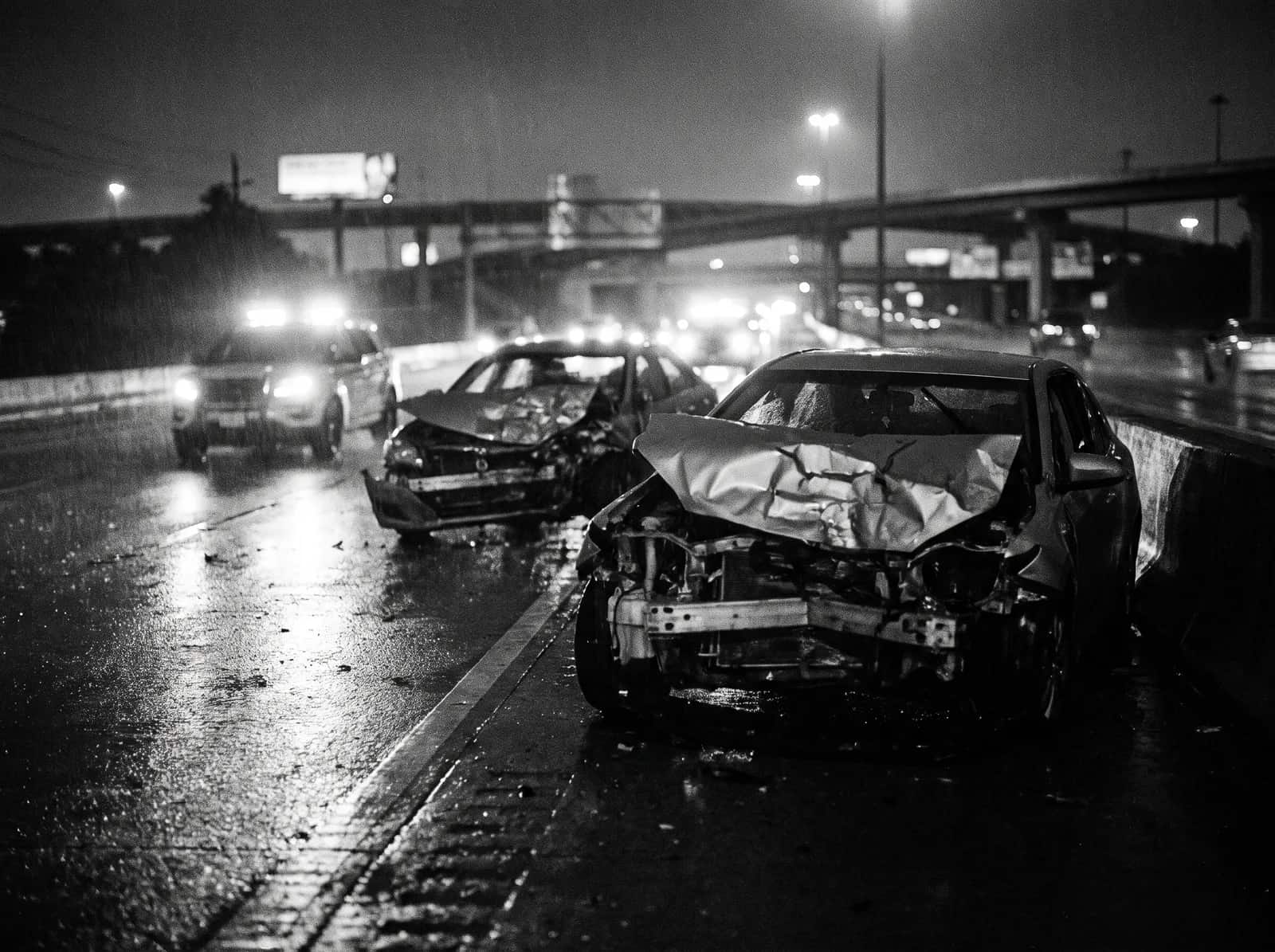
Stop, move out of traffic if no one is hurt and the cars can be driven, exchange name, address, registration, and insurance information, photograph everything, and call police if anyone is hurt or a car cannot be driven. Then get checked by a doctor if anything hurts, even mildly.
Texas law sets the basic duties. Under Transportation Code section 550.022, a driver in a crash that damages a vehicle must stop at or as near the scene as possible, and on a metropolitan freeway, when no one is hurt and the vehicles can be driven, must move them out of the main lanes to a safe nearby location. Section 550.023 requires each driver to give their name, address, vehicle registration, and insurance information, and to show a driver's license if asked.
Know when to call police. Section 550.026 requires immediate notice to law enforcement when a crash causes injury or death or leaves a vehicle that cannot be normally and safely driven. An officer must file a crash report with TxDOT when a crash causes injury, death, or apparent damage of $1,000 or more, which many minor-looking crashes reach once repairs are priced.
Document it yourself either way. Photograph both vehicles, the plates, the other driver's license and insurance card, the scene, and any visible injuries. Get names and phone numbers of witnesses. Note the time and exact location. Small crashes become disputed crashes when memories differ.
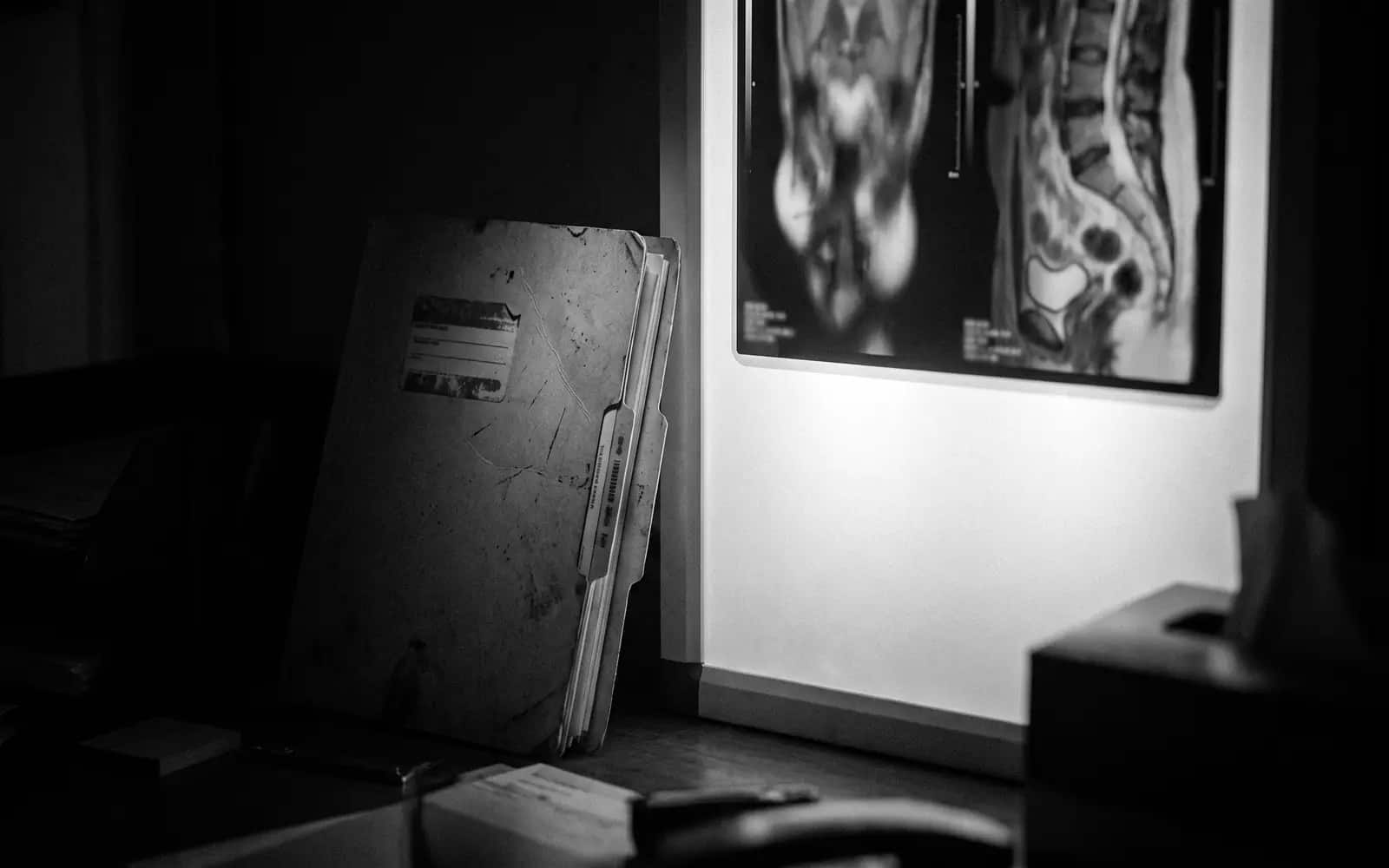
Take symptoms seriously. Neck and back pain often appears hours or days later, and low vehicle damage does not mean no injury. A same-day or next-day medical visit creates the record that connects the symptoms to the crash, and Personal Injury Protection on your own policy can pay for it regardless of fault unless you rejected the coverage in writing.
Report the crash to your own insurer, but do not give a recorded statement to the other driver's insurer or sign a release while you are still having symptoms. Owsley Law Firm will tell you for free whether a minor crash needs a lawyer.
What to do, step by step
- Check for injuries and call 911 if anyone is hurt.
- Move drivable cars out of freeway lanes if no one is hurt.
- Exchange name, address, registration, and insurance information.
- Photograph the cars, plates, documents, and scene.
- Get checked by a doctor if anything hurts.
If the other driver leaves without exchanging information, note the plate and description and report it to police. Your uninsured motorist coverage may apply to a hit-and-run.
Repair costs on modern cars add up quickly once sensors and bumper systems are involved, so a crash that looks minor can still reach the $1,000 reporting threshold.
Mistakes that cost people money
- Agreeing at the scene to handle it without insurance.
- Apologizing or guessing about fault.
- Ignoring neck or back pain that starts a day later.
Related questions
Do I have to call the police for a fender bender?
You must notify police if anyone is hurt or a car cannot be safely driven. Otherwise exchange information and document the scene.
Should I report a minor crash to my insurer?
Yes. Policies require prompt notice, and your coverage may be needed later.
Can I still have an injury claim after a minor crash?
Yes. Low-speed crashes can cause real injuries, and the medical record decides the claim.
Read next