
A Texas T-bone settlement turns on who had the right of way and how serious the side-impact injuries are. Fault is often disputed at intersections, so signal timing, video, and witnesses can decide the case before injury value is even discussed. Owsley Law Firm reviews T-bone claims free and charges no fee unless it wins.
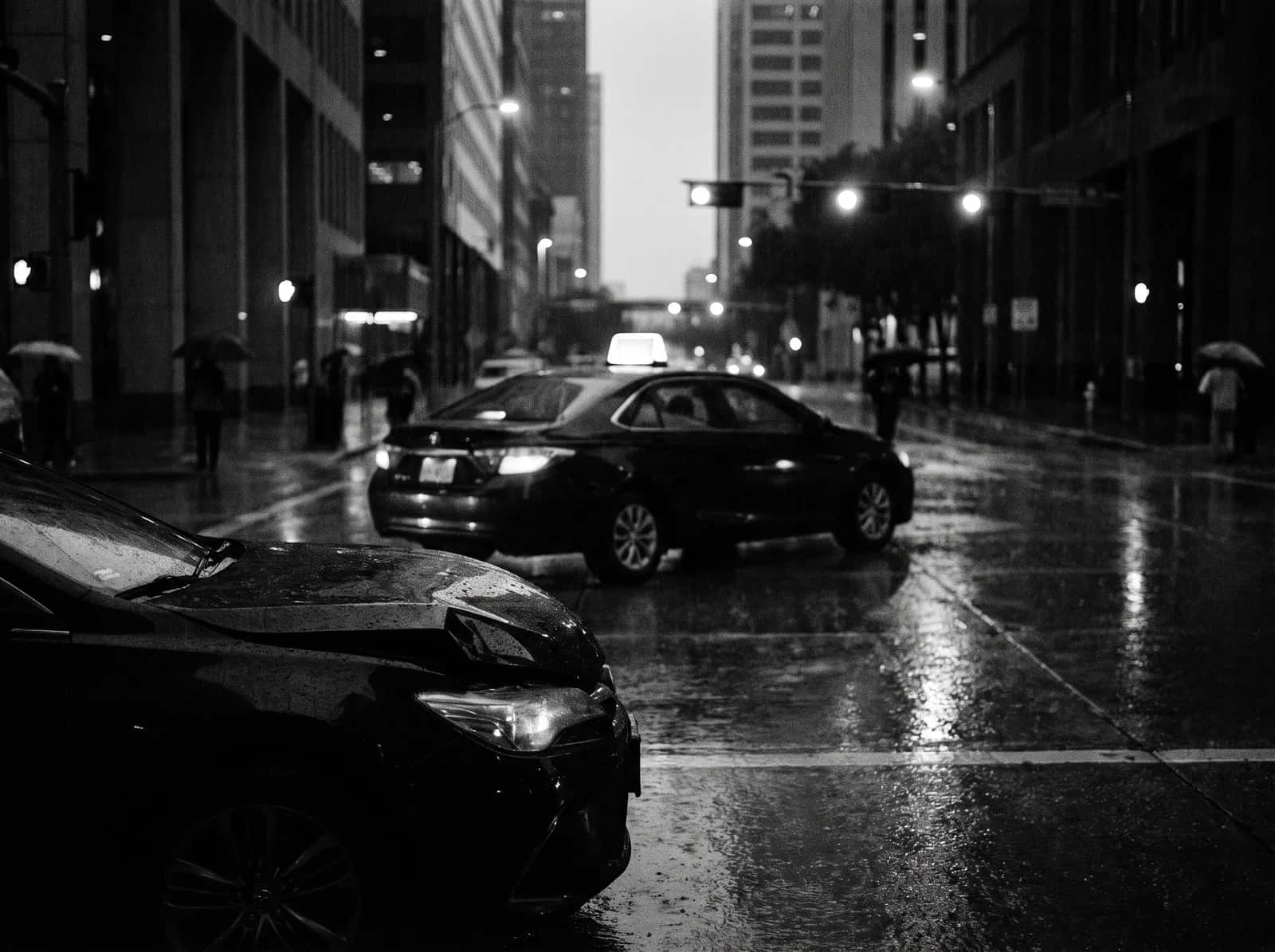
Side-impact crashes put the striking vehicle's front end into the door of the other car, where there is far less structure to absorb the force than in front or rear crashes. That is why T-bone collisions produce a disproportionate share of serious pelvic, rib, shoulder, and head injuries.
They are also among the most disputed crashes on liability. Both drivers often say they had the green light. The value of the claim depends first on proving who had the right of way, and then on documenting injuries that tend to be more serious than in other crash types.
How much is a T-bone accident settlement worth in Texas?
It depends on fault, the severity of the side-impact injuries, and the insurance available, not on the crash label.
A T-bone case where the other driver ran a red light on camera and the injured person needed pelvic surgery is a very different claim from a low-speed parking lot side-swipe. Economic and non-economic damages are calculated the same way as any injury claim, then reduced by any fault assigned to you and limited by collectible coverage.
Because fault is so often disputed in these crashes, the strength of the liability evidence has an outsized effect on value. A clear liability case lets the negotiation focus on the injury; a contested one puts the whole claim at risk under the 51 percent bar.
Who has the right of way in a Texas intersection crash?
It depends on the signal or sign, and Texas statutes spell out the rules for each situation.
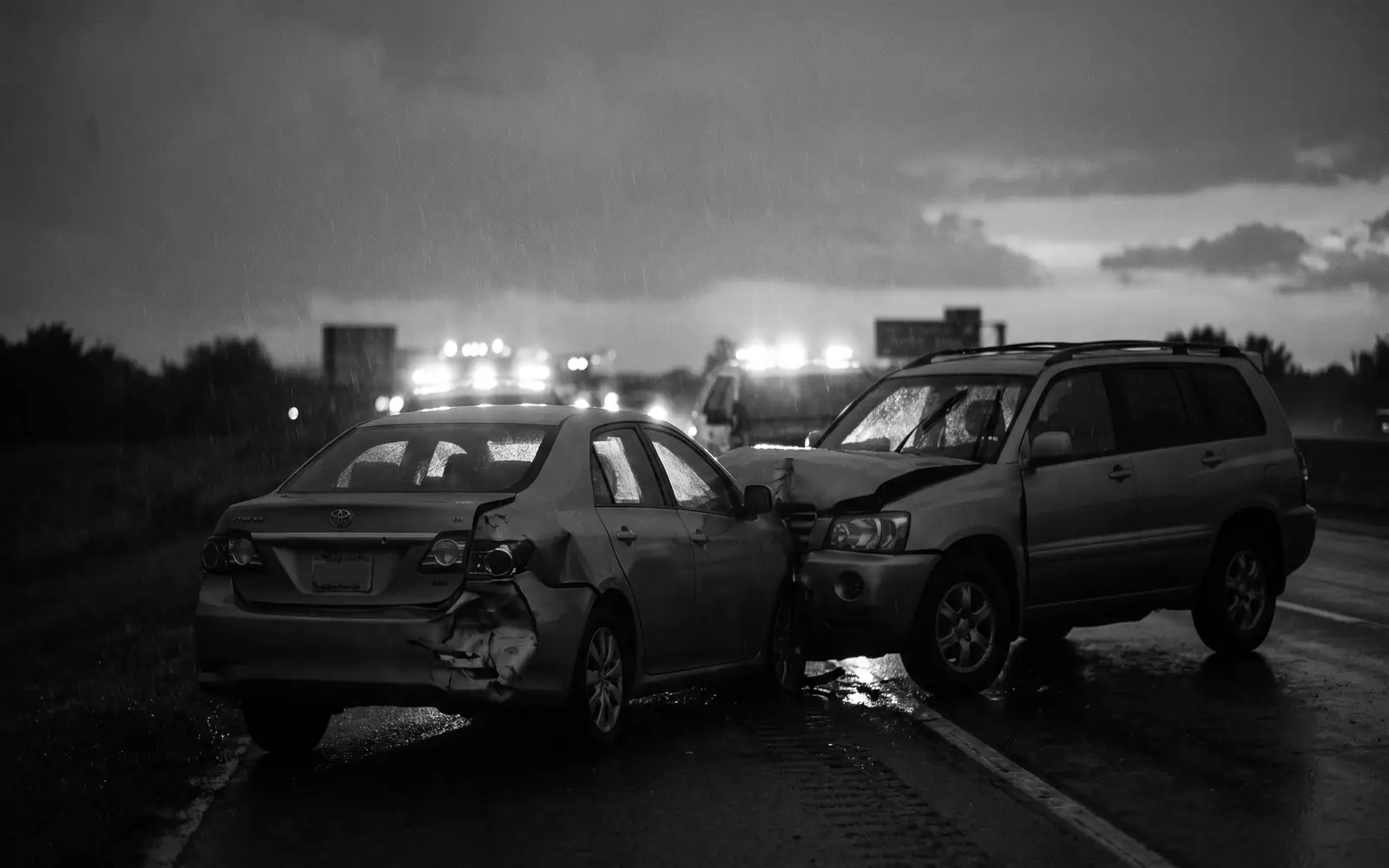
Transportation Code section 545.151 governs right-of-way at intersections, and section 545.152 requires a driver turning left to yield to oncoming traffic. Red-light running, rolling through a stop sign, and failing to yield on a left turn are the usual causes of T-bone crashes.
When both drivers claim a green light, the case is won with evidence: traffic camera or business video, witness statements, the crash report narrative, vehicle event data, and sometimes the city's signal timing records.
Why are side-impact injuries more serious?
The door and side pillar offer little crush space, so more force reaches the person sitting on the struck side.
Front and rear crumple zones absorb energy before it reaches the cabin. On the side, there are only inches of door between the striking bumper and the occupant. Side airbags help, but pelvic fractures, rib fractures, shoulder injuries, and head injuries from striking the window are common.
These injuries often require surgery and longer recovery, which increases both medical costs and non-economic damages. They also make clear documentation of the crash mechanics more persuasive.
How does shared fault reduce a T-bone settlement?
Your recovery drops by your percentage of fault, and it is barred if that percentage is more than 50.
Insurers frequently argue the injured driver was speeding through the intersection, entered on a stale yellow, or could have avoided the crash. Each percentage point of fault they can assign comes off the settlement under Chapter 33.
That is why preserving intersection evidence early matters. Business video is often overwritten within days, and witnesses become harder to find as time passes.
What evidence raises the value of a T-bone claim?
Anything that independently proves who entered the intersection on the wrong signal, plus thorough medical records.
Independent evidence beats competing accounts every time. A single neutral witness or a few seconds of video can move a disputed claim to a clear liability claim.
- Traffic camera, dashcam, or nearby business video
- Statements from witnesses who were not in either car
- The crash report, including any citation issued
- Vehicle event data recorder downloads
- Photos of the intrusion into the door and cabin
- Imaging, surgical records, and treating doctor opinions

What if the driver who hit me has minimum coverage?
The policy limit may cap what that insurer pays, and your underinsured motorist coverage can fill the gap.
Texas minimum liability coverage is 30/60/25 under Transportation Code section 601.072, which a serious side-impact injury can exhaust. Underinsured motorist coverage on your own policy applies unless you rejected it in writing (Insurance Code section 1952.101).
If the striking vehicle was being driven for work, the employer's commercial policy may also be available. Identifying every policy is one of the first things the firm does.
How long does a T-bone settlement take?
Longer than average when fault is disputed, because the liability investigation has to be completed first.
A clear-liability T-bone case can settle once treatment is complete. A contested case may require filing suit to obtain records and testimony. Either way, the deadline to file is generally two years from the crash under section 16.003.
What moves the value up or down
| Factor | Pushes value up | Pushes value down |
|---|---|---|
| Right of way | Video, signal timing records, independent witnesses | Two conflicting driver accounts, no witnesses |
| Side of impact | Driver-side impact with intrusion into the cabin | Glancing contact at low speed |
| Injuries | Pelvic, rib, or shoulder fractures, surgery, TBI | Bruising and short treatment |
| Citations | Other driver cited for running the light or failing to yield | No citation, or both drivers cited |
| Coverage | Commercial or high-limit policy, UIM available | Minimum limits and no UIM |
What evidence proves it
- Intersection, dashcam, and business video
- Independent witness names and statements
- Crash report and any citation
- Event data recorder downloads from both vehicles
- Photos of the door intrusion and airbag deployment
- Medical and surgical records, imaging, and work-loss documentation
Mistakes that cost people money
- Assuming the crash report settles fault
- Waiting to request business video
- Apologizing at the scene in a way that sounds like an admission
- Giving a recorded statement about the signal color before reviewing the evidence
- Settling before surgery recommendations are known
Frequently asked questions
What if both drivers say they had a green light?
Then independent evidence decides the case: video, neutral witnesses, signal timing, and vehicle data. Collecting it quickly is critical because much of it disappears within days.
Does the crash report decide who was at fault?
No. It is evidence, and often persuasive, but insurers and juries make their own fault decisions. Officers frequently arrive after the crash and rely on driver statements.
Are T-bone settlements usually higher than rear-end settlements?
Side impacts often cause more serious injuries, which can mean higher damages, but every case depends on its own injuries, fault evidence, and coverage. No crash type guarantees a result.
Can a passenger in a T-bone crash file a claim?
Yes. A passenger can claim against either driver who was at fault, and sometimes both. Passengers are rarely assigned fault themselves.
How long do I have to file a T-bone accident claim in Texas?
Generally two years from the crash under Civil Practice and Remedies Code section 16.003. Claims involving government vehicles have shorter notice deadlines.
This page is general information about Texas law and is not legal or medical advice. Every case depends on its own facts. Contact the firm for a free review of yours.
Keep reading