


Under Transportation Code section 550.065, crash report information is privileged and confidential by default. On written request and payment of any required fee, it is released to people directly concerned in the collision, such as drivers, vehicle owners and certain insurers. Any person may request a redacted report. The statute sets a $6 copy fee and no time limit for the privilege.
Texas Transportation Code, Chapter 550 (Legislature's text). Read section 550.065 to see who may receive a crash report, the fees, and what must be redacted.
After a Texas crash, the police report is often the first document people want. Section 550.065 of the Transportation Code controls who can get it. It starts with a privacy rule. Then it lists the people who can receive the full report and the people who can only get a redacted one.
This page walks through that section in plain English. It then shows how the report fits into a motor vehicle injury claim, including fault and what it means if a ticket was or was not written.
What does Transportation Code 550.065 say?
Section 550.065 is the Texas rule on releasing crash report information. It makes the information privileged and confidential, then lists who can receive it.
The section covers the written crash report an officer files under section 550.062. It also covers certain older report forms and crash report information compiled under Transportation Code section 201.806.
Subsection (b) says the information is privileged and for the confidential use of the Texas Department of Transportation and certain government agencies. That default applies except as subsections (c), (c-1) or (e) provide. Subsection (c) then opens the door to a list of people. Subsection (c-1) opens a narrower door to everyone.
- Subsection (b): privileged and confidential by default
- Subsection (c): full release to listed persons on written request
- Subsection (c-1): a redacted report any person may request
- Subsection (d): the fees
- Subsection (f): what must be withheld or redacted
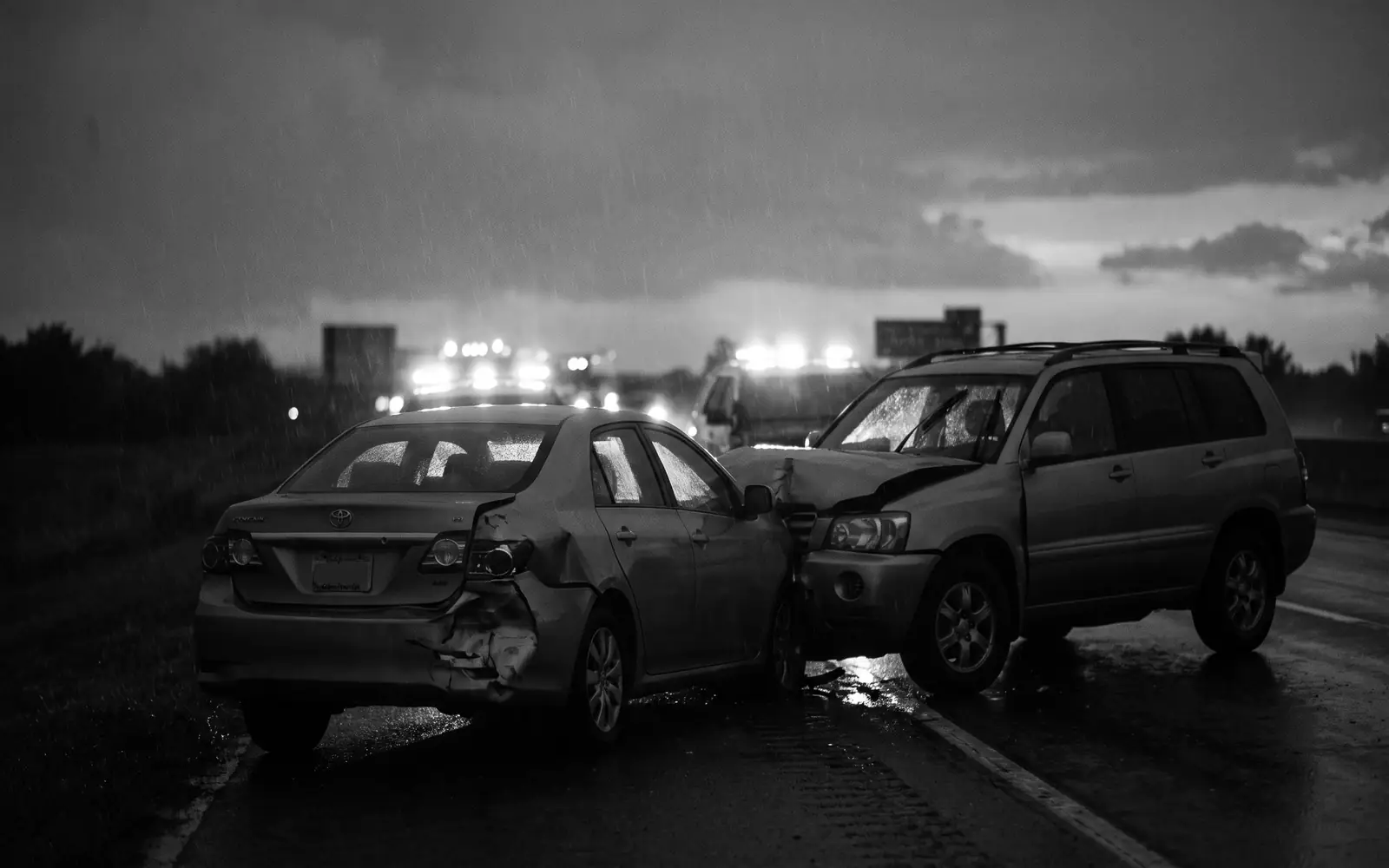
Who can get a copy of an accident report in Texas?
People directly concerned in the crash can get the full report, and any person can request a redacted version.
Under subsection (c), the information is released on written request and payment of any required fee. The listed recipients include the agencies described in subsection (b), the law enforcement agency that employs the investigating officer, and a court where a case involving a person in the crash is pending, if the report is subpoenaed.
Subsection (c)(4) covers any person directly concerned in the collision or having a proper interest in it. The list includes people involved in the crash and their representatives, drivers, employers or guardians of drivers, and owners of damaged vehicles or property. It also names certain insurers and claims contractors, licensed broadcasters, qualifying newspapers, persons who may sue over a death, and employees of vehicle storage facilities that stored a vehicle in the crash.
- Drivers and other people involved in the crash
- Owners of damaged vehicles or property
- Certain insurers and claims contractors
- Persons who may sue over a death
- Anyone else, but only for the redacted report
What do you have to provide to request a crash report?
Section 550.065 asks for a written request and payment of any required fee. It does not list identifying details such as a date, name or location.
Many people have heard that a requester must give two of the crash date, a name and a location. That requirement does not appear in Chapter 550 as the Legislature publishes it. The statute conditions release on a written request and any required fee.
The agency that holds the report may ask for details to find the right file, and may have its own request process. Check with the agency before you send a request. A lawyer can also request a report for a client who is directly concerned in the crash.
How long is a Texas crash report privileged and confidential?
Section 550.065 sets no end date for the privilege. The default stays in place except for the release routes the section creates.
Subsection (b) makes the information privileged and for confidential use, except as provided in subsections (c), (c-1) or (e). The text does not say the privilege expires after a number of days or years.
So the question is not how long to wait. The question is whether the requester is on the subsection (c) list or is asking for the redacted version under subsection (c-1). Subsection (e) separately lets the department release additional information in some cases, and charges for that follow Government Code Chapter 552.
What is redacted from a Texas crash report?
A redacted report removes personal details such as names, license numbers, addresses and plate numbers.
When information is released under subsection (c-1), (e) or (e-1), subsection (f) says the department may not release personal information as defined in Transportation Code section 730.003. It must withhold or redact the items listed in the statute.
The listed items include names of the people in the report, driver's license numbers, dates of birth except the year, addresses except the ZIP code, telephone numbers and license plate numbers. They also include insurer names and policy numbers, the investigating officer's badge or ID number, and the date any person died as a result of the crash. A redacted report is therefore useful for general facts but not for identifying the other driver or their insurer.
- Names of drivers, occupants, owners, bicyclists and pedestrians
- Driver's license and personal ID numbers
- Dates of birth (the year may remain)
- Addresses (the ZIP code may remain) and phone numbers
- License plate numbers
- Insurer names and policy numbers

How much does a Texas crash report cost?
Subsection (d) sets a $6 fee for a copy, $2 more for certification, and $6 for a certification that no report is on file.
Those are the fees in the statute. Subsection (g) says fees for information released under subsection (e) are calculated under Government Code Chapter 552.
The agency you request from may have its own steps for payment and delivery. Check with the agency for how to pay and how long it takes.
How does the crash report affect fault in an injury claim?
The report helps show what happened, but a jury or judge decides each person's share of fault under Civil Practice and Remedies Code chapter 33.
Chapter 33 says the trier of fact determines the percentage of responsibility for each person who caused or contributed to the harm. A claimant may not recover damages if his or her percentage of responsibility is greater than 50 percent. If the claimant is not barred, the court reduces the damages by the claimant's percentage.
The report may record which traffic law an officer thought was broken, but it is not the only way to show what happened. Photos, video, witness accounts and vehicle data can also help.
Does a ticket or no ticket change the civil claim?
Section 550.065 says nothing about tickets. A ticket, or the lack of one, is one piece of information, and fault in a civil claim is decided separately.
Chapter 33 asks the trier of fact to assign percentages of responsibility. That is a separate decision from whether an officer wrote a citation. Check the report to see what the officer recorded, then compare it with the other evidence.
One related rule is in section 550.066. An individual's response to the optional question on the crash report form about being contacted with offers of professional services is not admissible evidence in a civil trial. The report also has a filing deadline: the officer files it electronically not later than the 10th day after the collision, so it may take time to appear.
Section 550.065 elements and how they show up in a claim
| Element in the statute | What it provides | How it shows up after a crash |
|---|---|---|
| Confidentiality (subsection b) | Crash report information is privileged and for confidential use, except as the section provides | A stranger cannot get the full report, so the request must fit a listed category |
| Full release (subsection c) | On written request and payment of any required fee, release to listed persons, including people directly concerned in the collision | Drivers, owners, certain insurers and persons who may sue over a death can ask for the full report |
| Redacted report (subsection c-1) | Any person may request a redacted report | Gives basic crash facts without names or insurer details |
| Redaction list (subsection f) | Names, license numbers, addresses, phone numbers, plate numbers, insurer names and policy numbers and other listed items are withheld | Do not expect the other driver's identity or insurer on a redacted copy |
| Fees (subsection d) | $6 copy, $2 certification, $6 no-report certification | Keep the receipt with your claim records |
| Report content | Officer's report is filed under section 550.062, within 10 days of the collision | Used with photos, video and witness accounts to show what happened |
| Civil fault (CPRC chapter 33) | The trier of fact sets each person's percentage of responsibility | A claimant over 50 percent responsible cannot recover, and a lower share reduces damages |
How it is proven after a crash
- A copy of the crash report, full if you qualify, and the receipt for the fee
- Photos and video of the scene, vehicles and road signs
- Names and contact details of witnesses
- The crash date, location and the report number if you have one
- Medical records and bills tied to the crash
Mistakes that cost people money
- Waiting for the report before saving photos, video and witness details
- Assuming a redacted report will show the other driver's name or insurer
- Treating a ticket, or no ticket, as the final word on fault
- Not checking the report for errors in the facts it records
Related Texas laws
- All Texas laws explained
- Texas Transportation Code 550.022: Damage-Only Crashes
- Texas Transportation Code 550.024: Hitting a Parked Car
- Transportation Code 550.062: Officer Crash Report Rule
- Transportation Code 550.026: How a Crash Must Be Reported
- How to get a Texas crash report
- Car accident lawyer
- Houston injury lawyer
Where this fits in your claim
- 1. The crash: what to do at the scene and in the first days
- 2. The report: how to get your Texas crash report (CR-3)
- 3. The insurance claim: claims phone numbers and first calls
- 4. Treatment: how PIP pays medical bills
- 5. Liens: hospital liens on a settlement
- 6. The demand: what a demand letter does
- 7. The lawsuit: the two-year deadline to sue
Frequently asked questions
Can anyone get a Texas crash report?
Anyone can request a redacted report under section 550.065(c-1). The full report goes to the persons listed in subsection (c), such as people directly concerned in the crash.
Does Texas require two of the date, name and location to get a report?
That rule does not appear in Chapter 550 of the Transportation Code. The section requires a written request and payment of any required fee. Check with the agency for what it asks for.
How much is a crash report in Texas?
Section 550.065(d) sets $6 for a copy and $2 more for certification. A certification that no report is on file costs $6.
Is a crash report confidential forever?
The statute sets no time limit on the privilege. It stays in place except for the release routes in the section.
Can a report be used to show who was at fault?
It can help show what happened. Under Civil Practice and Remedies Code chapter 33, though, the trier of fact decides each person's percentage of responsibility.
What if no ticket was written?
Section 550.065 does not mention tickets. Fault in a civil claim is decided separately, using the evidence from the crash.
This page is general information about Texas law and is not legal or medical advice. Every case depends on its own facts. Contact the firm for a free review of yours.
Keep reading

Sources