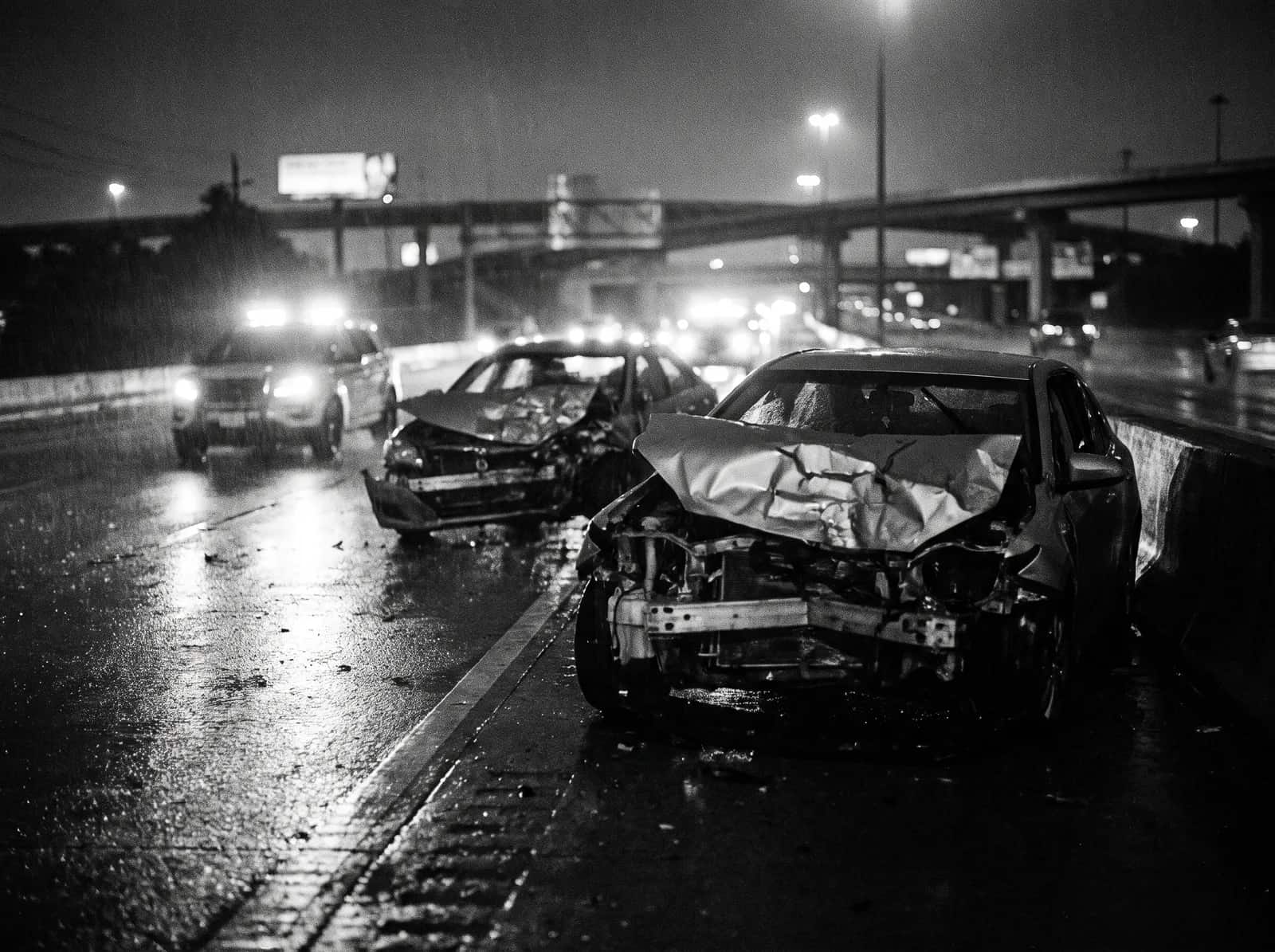
Texas Transportation Code section 545.351 bars driving faster than is reasonable and prudent for the conditions, and requires drivers to control speed to avoid collisions. Driving under the posted limit is not always lawful. Speed is one of the most common fault issues in Texas crash claims. Owsley Law Firm handles these cases statewide and charges no fee unless we win.
Many drivers think the posted number is the only rule. Texas law is broader. Section 545.351 requires a speed that is reasonable and prudent for the conditions at the time, including traffic, weather, curves, and hazards. A driver going the limit in heavy rain on I-45 can still be driving too fast.
The companion statute, section 545.352, sets prima facie limits: speeds above them are evidence that the speed was unreasonable. This page explains both and how speed is proven after a crash.
What does the reasonable and prudent rule mean?
A driver may not go faster than is reasonable and prudent under the conditions and must control speed to avoid colliding with others using the road lawfully.
Insurers sometimes argue that the injured driver was the one speeding. Event data from both vehicles answers that question with numbers rather than estimates, which is why preserving both cars matters. If your vehicle is declared a total loss, ask the insurer not to send it to salvage until its data has been downloaded.
Subsection (c) lists situations that call for reduced speed: approaching and crossing an intersection or railroad crossing, going around a curve, approaching a hill crest, traveling a narrow or winding road, and any special hazard involving traffic, pedestrians, weather, or road conditions.
- Intersections and railroad crossings
- Curves and hill crests
- Narrow or winding roads
- Rain, fog, flooding, or construction
- Pedestrians or heavy traffic
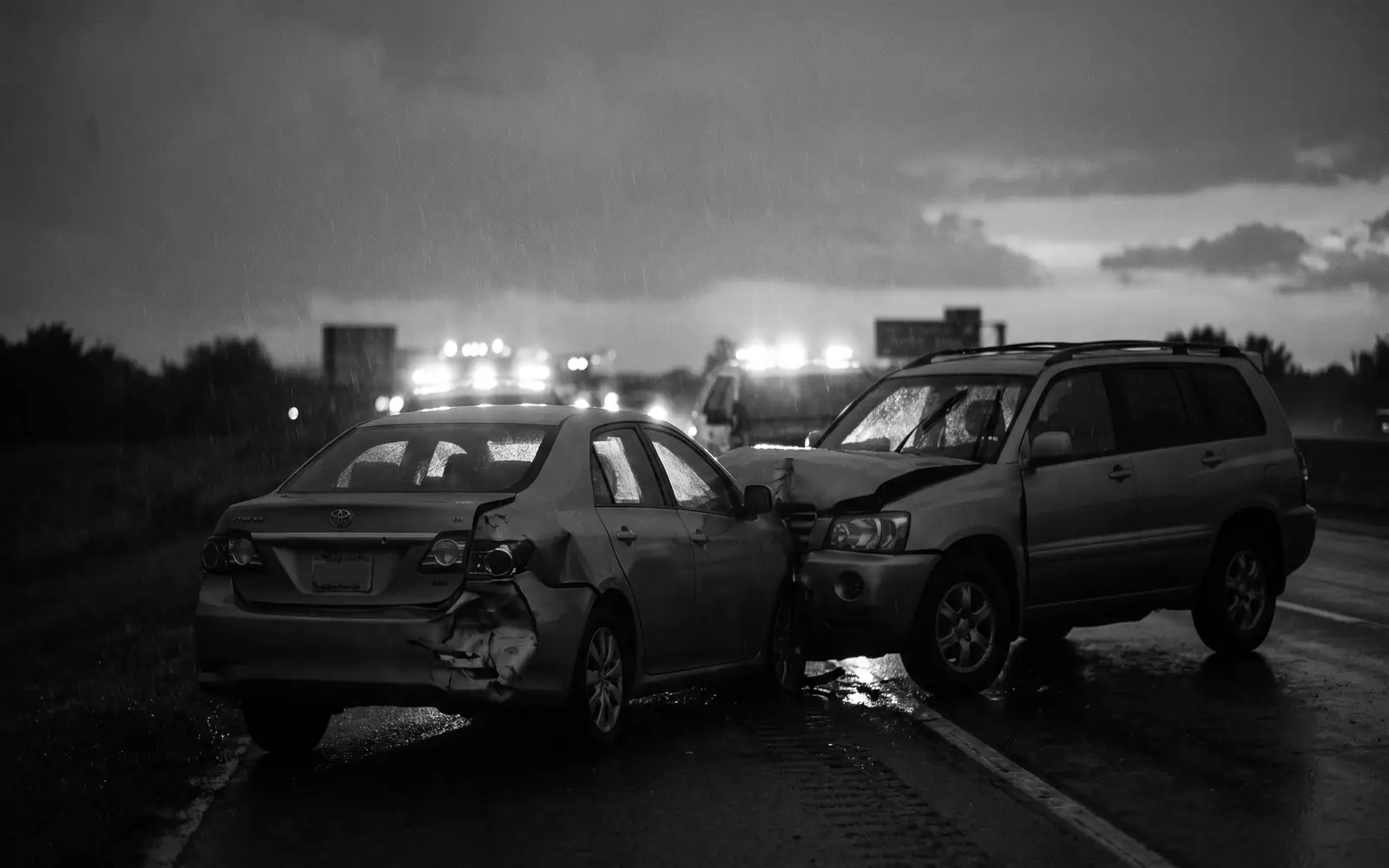
Can a driver be at fault while under the speed limit?
Yes. Section 545.351 applies to conditions, so a speed below the posted limit can still be unreasonable.
Insurers sometimes argue their driver was under the limit, so there was no negligence. That is not the test. If the road was wet, traffic was stopped ahead, or visibility was poor, the safe speed was lower.
What are the prima facie speed limits in Texas?
Section 545.352 sets default limits, including 30 miles per hour in an urban district and 70 on numbered highways outside urban districts, unless a different limit is posted.
A speed above a prima facie limit is evidence that it was not reasonable and prudent. Posted limits set by the state or a city replace the defaults on many roads.
How is speed proven after a crash?
Through event data recorder downloads, video, crash reconstruction, skid marks, and witness accounts.
Most modern vehicles record speed, braking, and throttle in the seconds before a crash. That data, along with any video, is the most reliable evidence. It must be preserved before the vehicle is repaired or salvaged.

How does speed affect the value of an injury claim?
Higher speed means more force, which often means more serious injuries and higher damages.
Crash reconstruction can translate speed into the forces acting on the occupants. That analysis helps connect the crash to injuries like herniated discs, fractures, and traumatic brain injuries, which insurers sometimes try to attribute to other causes.
Speed can also support a gross negligence argument in extreme cases, such as racing or driving far above the limit in heavy traffic. Exemplary damages require clear and convincing evidence under Chapter 41 and remain rare.
How does speed affect fault and recovery?
Speed is weighed under Chapter 33. A speeding driver usually bears more fault, and an injured person can recover if their share is not greater than 50 percent.
Speed also affects the severity of injuries. Higher speeds produce more force, which is why speed evidence often matters to both fault and damages.
How it is proven after a crash
- Event data recorder downloads
- Dashcam and traffic camera video
- Crash reconstruction analysis
- Skid and yaw marks
- Witness estimates of speed
Mistakes that cost people money
- Letting the vehicle be salvaged before its data is downloaded
- Accepting that being under the limit means no fault
- Guessing your own speed in a recorded statement
- Delaying medical care
Frequently asked questions
Is going the speed limit always legal in Texas?
No. Section 545.351 requires a speed that is reasonable and prudent for the conditions, which can be lower than the posted limit.
How do lawyers prove the other driver was speeding?
Usually through the vehicle’s event data recorder, video, and crash reconstruction.
What if both drivers were speeding?
Fault is divided under Chapter 33. Each driver’s share depends on how their speed contributed to the crash.
Does a speeding ticket prove my claim?
It helps, but the civil claim is decided separately on all the evidence.
How long do I have to file?
Generally two years from the crash under section 16.003.
This page is general information about Texas law and is not legal or medical advice. Every case depends on its own facts. Contact the firm for a free review of yours.
Keep reading