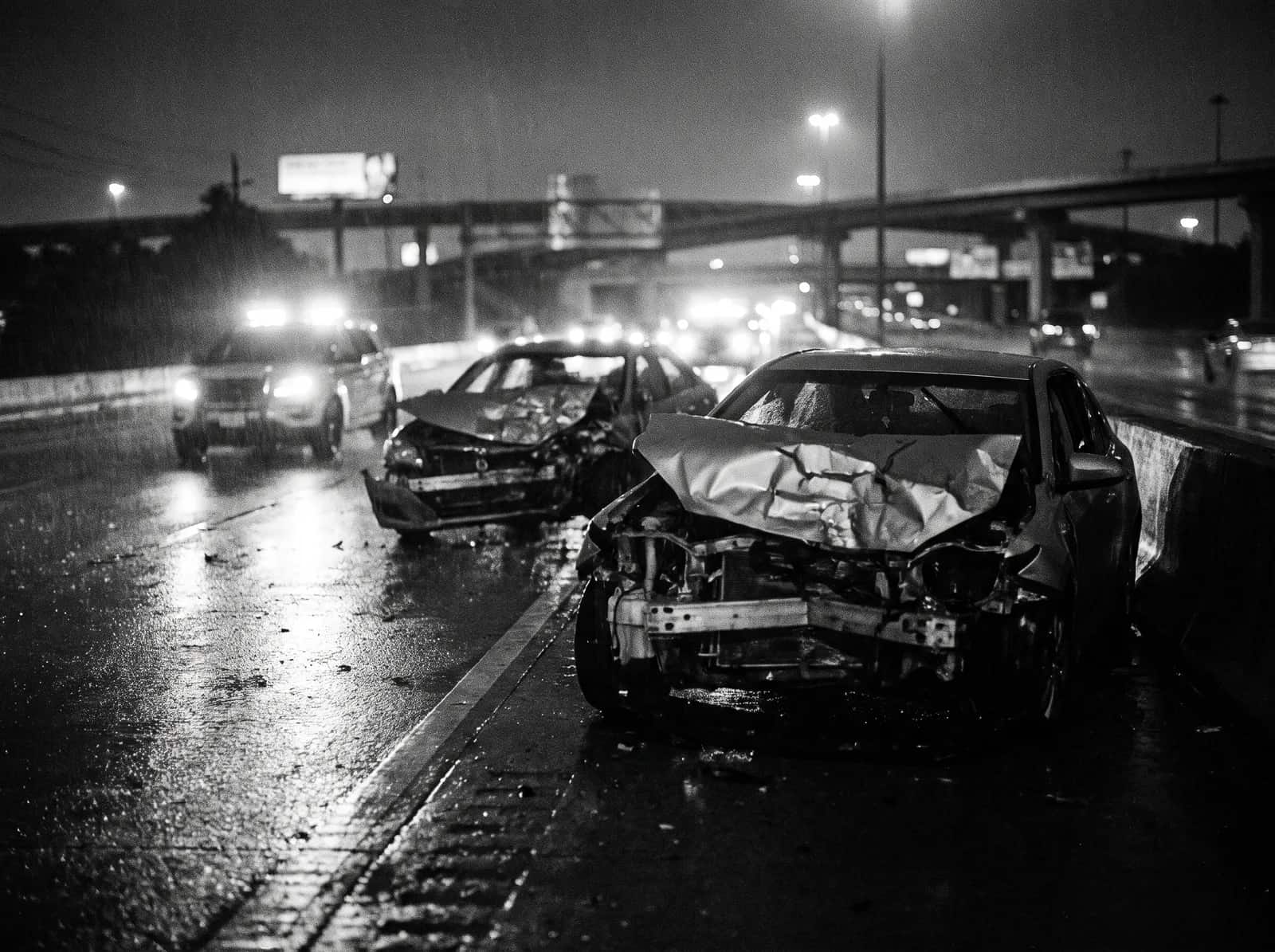

The crash report, photographs, medical records from the first visit forward, witness contacts, and the insurance information for every vehicle. For serious cases, vehicle event data, camera footage, and phone records, which must be preserved quickly.
Fault evidence: the CR-3 crash report, photographs of vehicles and the scene, camera footage from businesses and traffic cameras, witness statements, event data recorders, and, in distraction cases, phone records obtained by subpoena.
Injury evidence: every medical record from the day of the crash forward, imaging, treating physician opinions on causation and future care, and employer records for lost wages.
Insurance evidence: the at-fault driver’s policy, any employer or vehicle-owner policy, and your own declarations page for PIP and UM/UIM.
Timing is the hard part. Camera footage is overwritten in days, and trucking companies keep electronic logs for six months. Owsley Law Firm sends preservation letters the week a client calls.
What to do, step by step
- Photograph the vehicles, plates, road, signals, debris, and injuries, and record the date, time, and weather.
- Get the crash report number and, when available, the report itself.
- Collect witness names and phone numbers and ask them to write a short account.
- See a doctor promptly, and keep every record, bill, and receipt in one place.
- Keep a short journal of symptoms, missed work, and how injuries affect daily life.
- Ask a lawyer to send preservation letters for video, vehicle data, and company records.

The types of evidence carry different weight. Physical evidence, such as vehicle damage, skid marks, and event data, is hard to argue with. Documents, such as medical records and employer wage records, are treated as reliable when they are made close to the events. Testimony, from the parties and witnesses, is important but is easily attacked for bias or poor memory.
Vehicle data deserves special mention. Most modern vehicles record speed, braking, and throttle in the moments before an impact, and commercial trucks record much more. Downloading it requires the vehicle to be preserved and the right equipment, which is why vehicles should not be repaired or salvaged until a lawyer has had a chance to send a preservation demand.
Medical evidence has to connect the injury to the crash. Records made at the first visit describing the mechanism of injury and symptoms are important, and treating physicians' opinions on causation and future care carry weight. Gaps in treatment give the insurer an argument, so follow the treatment plan, and explain any gap with a real reason.
Texas allows paid or incurred medical expenses to be recovered under Civil Practice and Remedies Code section 41.0105, and lost earnings are computed after taxes under section 18.091, so records showing what was actually paid and what was actually earned are the foundation of the economic damages. Pay stubs, tax returns, and employer letters should be gathered early.
Mistakes that cost people money
- Relying on memory instead of photos and notes taken close to the crash.
- Repairing or disposing of the vehicle before its data is downloaded.
- Deleting social media posts after a claim begins, which can look like concealment.
- Letting treatment lapse and then trying to explain the gap later.
Related questions
Are photos from my phone good enough?
Yes, phone photos are commonly used. Keep the originals with their date and time data, take more than you think you need, and back them up so they are not lost with the phone.
Can a lawyer get camera footage after several weeks?
Sometimes, but many systems overwrite within days or weeks. A prompt preservation request improves the chance, and a delay can make footage unavailable, so contact a lawyer as early as possible.
What if I have no witnesses?
Physical evidence, vehicle data, camera footage, and the crash report can establish what happened without witnesses. A lawyer can also canvass the area for cameras and people who saw the crash but did not stop.
Read next