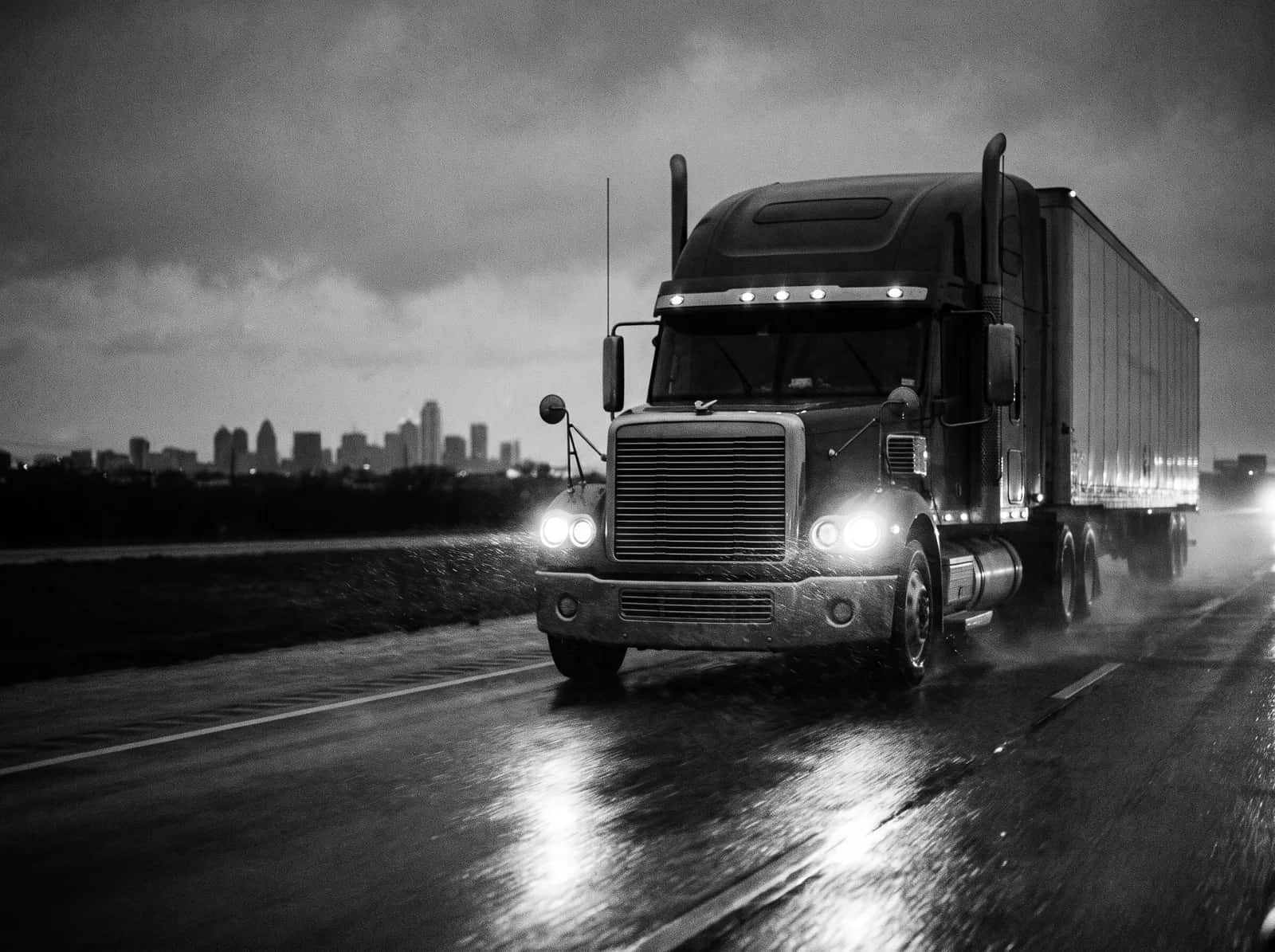
Bad weather is rarely an excuse. Texas requires drivers to travel at a speed that is reasonable and prudent for existing conditions, to keep a safe following distance, and to use headlights when visibility drops, so a driver who crashes in rain or fog is usually judged by whether they slowed down and drove for the conditions.
Insurers sometimes describe a rain or fog crash as an unavoidable accident. Texas traffic law points the other way. Transportation Code section 545.351 requires a driver to operate at a speed that is reasonable and prudent under the conditions, and the posted limit is not a safe speed when the road is wet or visibility is poor. Section 545.062 requires a following distance that allows a safe stop, which is longer on wet pavement.
Visibility rules apply too. Section 547.302 requires vehicles to display their lights at night and whenever light is insufficient or atmospheric conditions are unfavorable so that a person or vehicle on the highway is not clearly discernible at 1,000 feet. A driver without headlights in heavy rain or fog is both harder to see and in violation of the statute.
Hydroplaning, fog banks on rural highways, and sudden downpours on Houston freeways are common fact patterns. The questions are the same: how fast the driver was going, how closely they were following, whether they had working tires and wipers, and whether they braked or swerved in a way a careful driver would not. Event data, dashcam footage, and weather records establish the conditions at the minute of the crash.
Fault can be shared. Under Chapter 33 of the Civil Practice and Remedies Code, a jury can assign percentages to several drivers, and an injured driver who also failed to slow down may bear a share. Recovery is barred only if that share is greater than 50 percent.
Severe weather can also bring government and property issues into a crash case. A traffic signal knocked out by a storm, debris left in a lane, or water pooling where a drain failed may involve a city, county, or the state, each with its own notice deadlines under the Texas Tort Claims Act. Those claims are time-sensitive, so they should be evaluated early.
Flooded roads are a separate danger. The National Weather Service’s advice to turn around rather than drive into water applies to every driver, and a crash involving a flooded underpass can raise questions about road design. Owsley Law Firm investigates weather crashes and charges no fee unless it wins.
What to do, step by step
- Photograph the road, the weather, and the lighting.
- Note the time and location precisely.
- Get witness names.
- Request dashcam and traffic camera footage early.
- Get medical care the same day.
Weather records are easy to get and hard to argue with. National Weather Service observations and radar archives show rainfall and visibility at the time of the crash, and they can confirm or contradict a driver’s claim that conditions changed without warning.
Vehicle condition matters in bad weather. Bald tires, broken wipers, or burned-out headlights make a wet-road crash more likely and can be negligence in themselves.
Commercial drivers are held to specific bad-weather rules. Federal regulations require extreme caution in hazardous conditions such as fog, rain, and ice, and a truck driver who keeps highway speed in heavy rain gives the injured person a strong argument.
Mistakes that cost people money
- Accepting an insurer’s claim that weather made the crash unavoidable.
- Failing to record the weather and road conditions at the scene.
- Not checking the other vehicle’s tires and lights.
- Waiting for dashcam or traffic camera footage to be overwritten.
Related questions
Is hydroplaning someone’s fault?
Often. Hydroplaning usually results from speed too fast for the water on the road or worn tires, both of which a careful driver controls.
Who is at fault in a fog pileup?
Usually each driver who could not stop within the distance they could see shares responsibility, under the following distance and speed rules.
Do I need headlights in the rain in Texas?
Yes, when conditions make vehicles hard to see at 1,000 feet, under Transportation Code section 547.302.
Read next