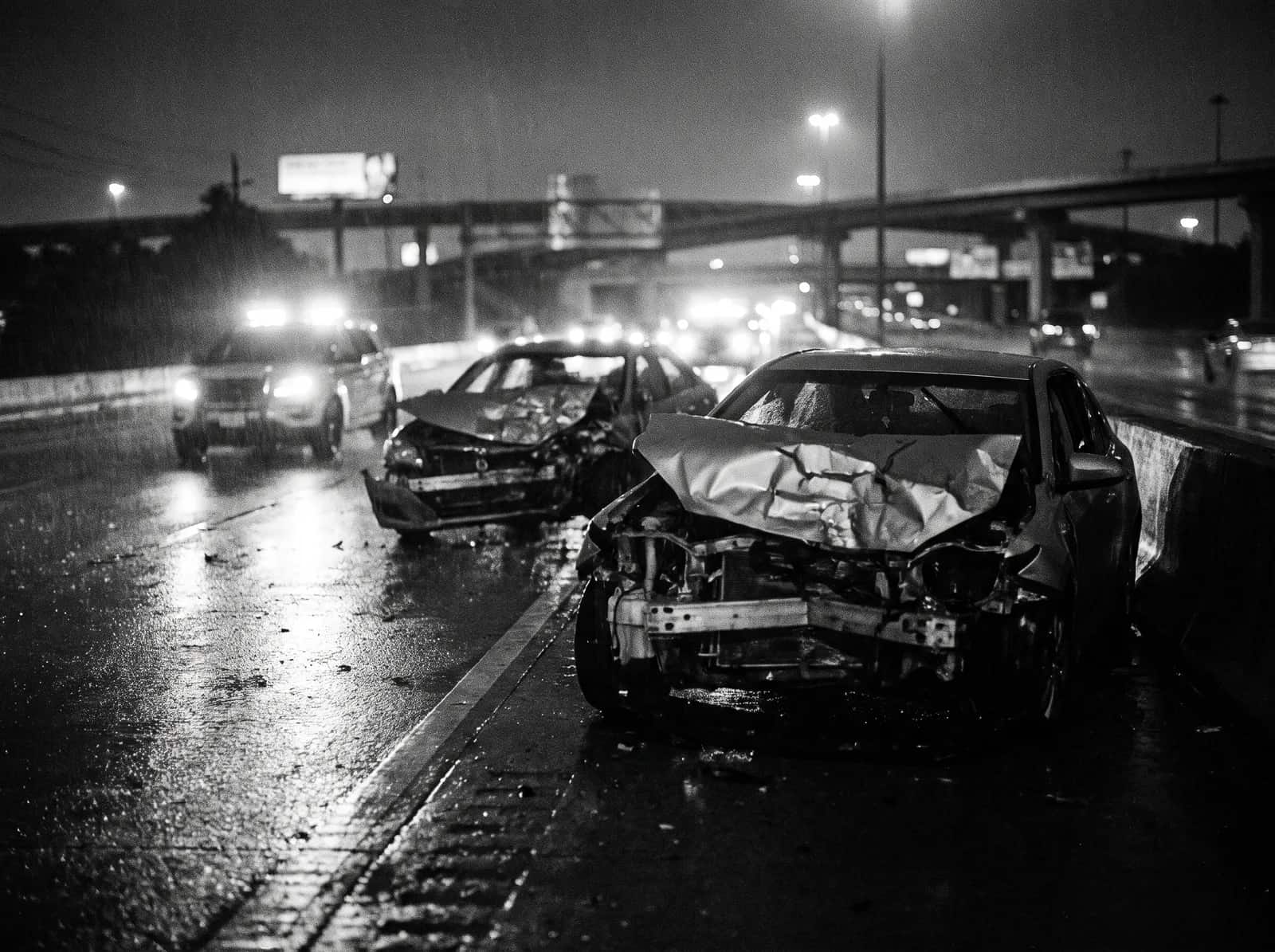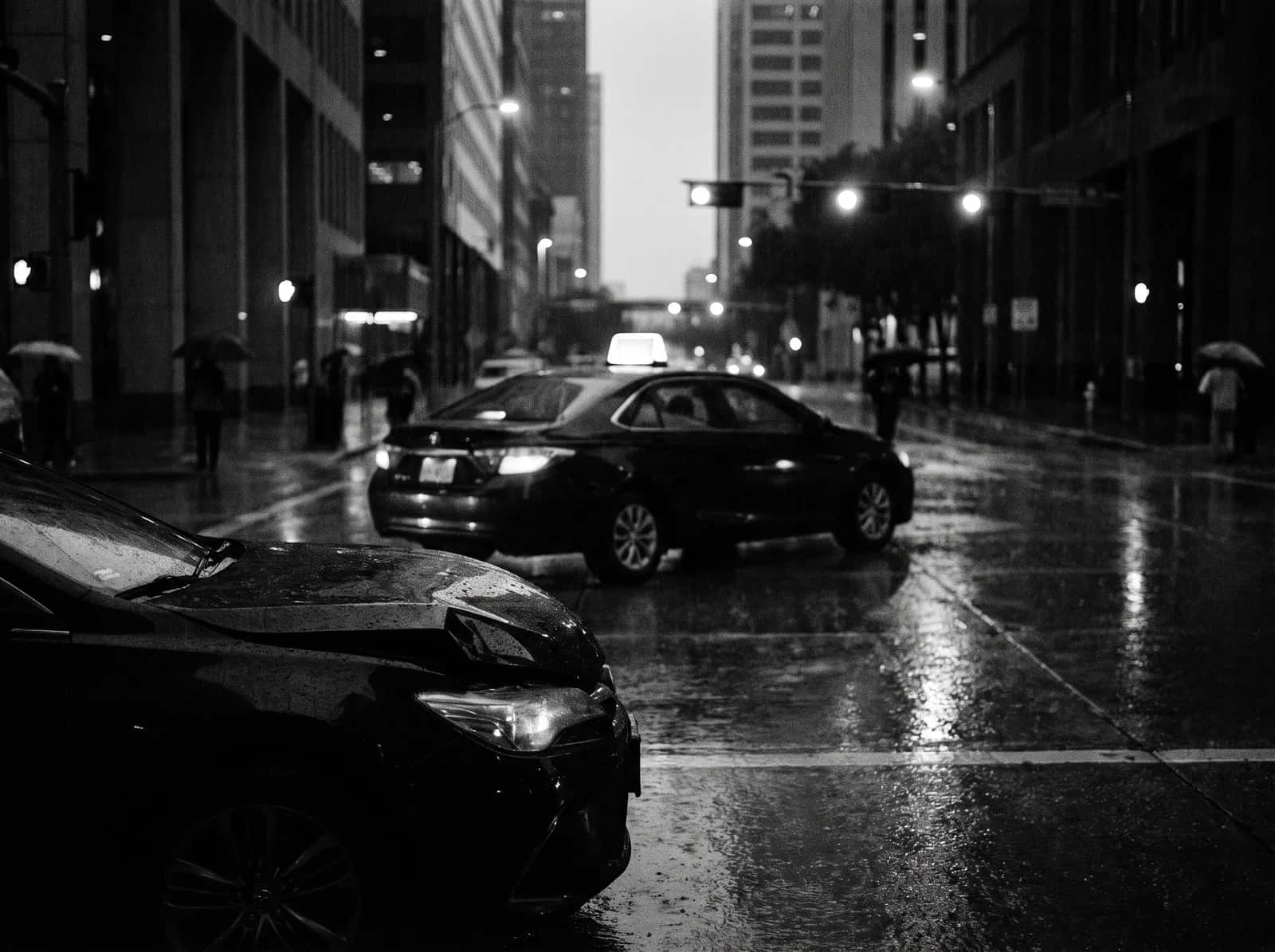
Almost always the rear driver. Texas requires every driver to maintain an assured clear distance and control speed so they can stop safely, and striking a vehicle from behind is strong evidence of violating both.
Transportation Code section 545.062 requires a driver to keep enough distance to stop safely, and section 545.351 requires speed control that accounts for traffic and conditions. A rear-end collision ordinarily means the trailing driver failed one or both.
Exceptions are rare: a lead driver who reversed suddenly, a car cut off by a third vehicle that fled, or a lead driver with no working brake lights. Insurers look for these because Texas proportionate responsibility under Chapter 33 lets them assign a percentage to the injured driver.
Because fault is hard to contest, the fight in a rear-end case is usually over the injury. Low-speed impact, minimal vehicle damage, a gap before treatment, and preexisting conditions are the standard arguments. Same-day medical care and consistent treatment answer them.
On Houston freeways, rear-end crashes often become chain reactions with three or more vehicles and multiple insurers. Event data from each car sorts out who hit whom. Owsley Law Firm handles these cases with no fee unless it wins.
Texas does not treat a rear-end impact as automatic liability. Courts have said the fact of the impact alone does not establish negligence as a matter of law, so the injured driver still has to show what the trailing driver did wrong: following too closely under Transportation Code section 545.062, driving too fast for conditions under section 545.351, or failing to keep a lookout. In most cases the evidence is not hard to find, but the burden is the plaintiff's.
Distraction is a common answer. Section 545.4251 prohibits reading, writing, or sending electronic messages while driving, and phone records obtained in a lawsuit can show a text sent seconds before an impact. Event data recorders in modern vehicles can also show speed and whether brakes were applied, which often settles what the trailing driver claims happened.
The lead driver's conduct is examined too. A stop lamp that does not work violates Texas equipment rules, and sudden or unexplained braking can support an argument that some fault belongs to the front driver. Under Chapter 33 of the Civil Practice and Remedies Code, even a small percentage assigned to the injured driver reduces the recovery, and a defendant may also designate a responsible third party, such as an unidentified driver who cut in front, to move fault off itself.
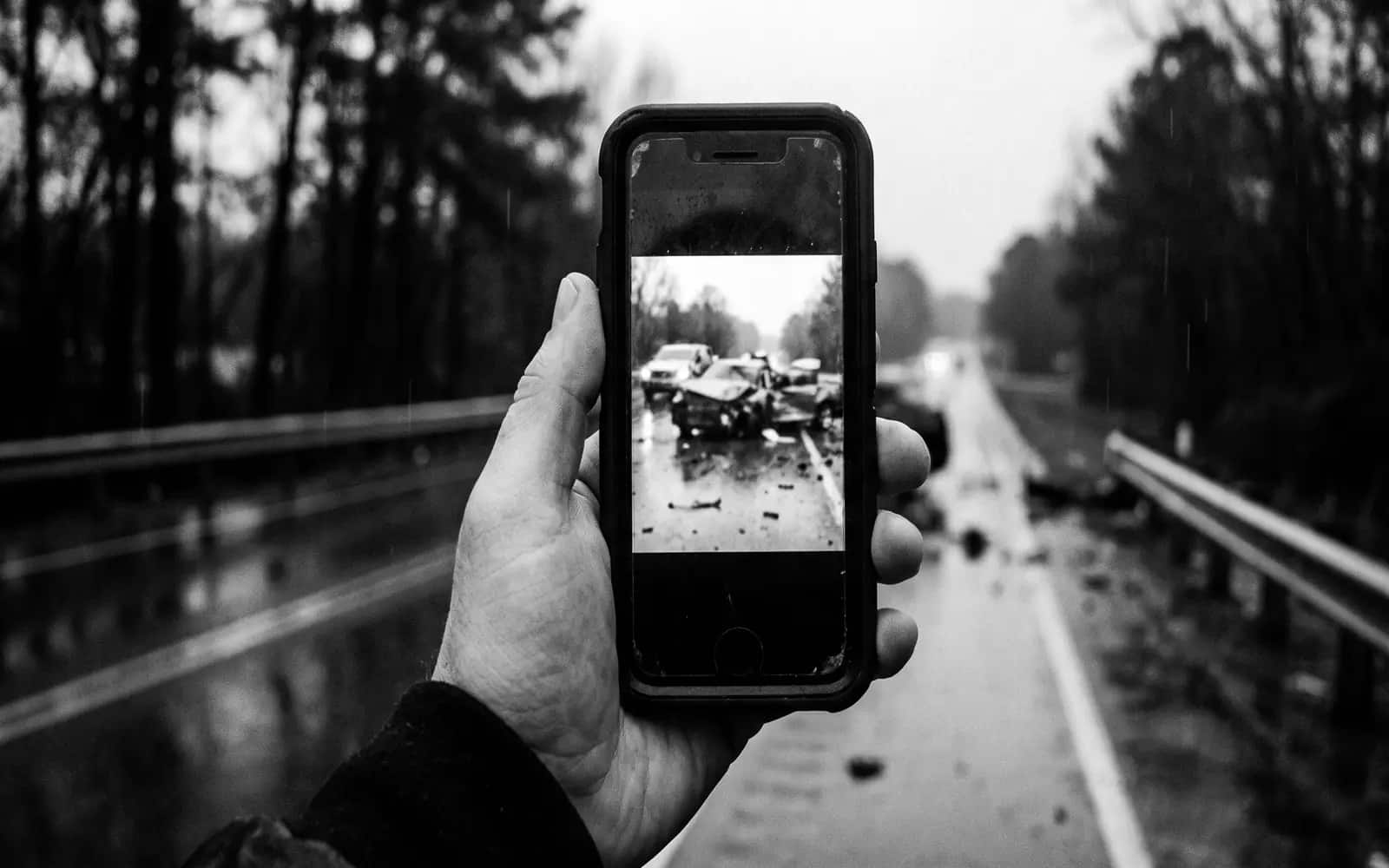
In a chain collision the question of who pushed whom matters for coverage. A driver hit from behind who was then pushed into the car ahead may not be at fault for that second impact, but the insurers will each blame someone else. Sorting it out early, with vehicle data and photographs of every car, is what keeps the claim from stalling between carriers.
Mistakes that cost people money
- Admitting at the scene that you stopped suddenly or may have braked late.
- Skipping medical care because the vehicle damage looks minor.
- Failing to photograph all of the vehicles in a multi-car chain.
- Leaving without asking each driver for insurance information.
Related questions
Can the front driver be at fault in a rear-end crash?
Yes, in limited situations, such as sudden reversing, a lane change directly into the path of the car behind, or non-working brake lights. These are the arguments insurers look for to shift a percentage under Chapter 33.
Does a low-speed rear-end crash still cause serious injury?
It can. Neck and back injuries do not track vehicle damage closely, and insurers know it. Prompt medical care and consistent treatment are the best answer to the argument that a minor crash cannot cause a real injury.
What if I was pushed into the car in front of me?
Fault for that second impact generally belongs to the driver who hit you from behind. Make sure the police report reflects the sequence and that you do not accept blame from the driver ahead.
Read next