
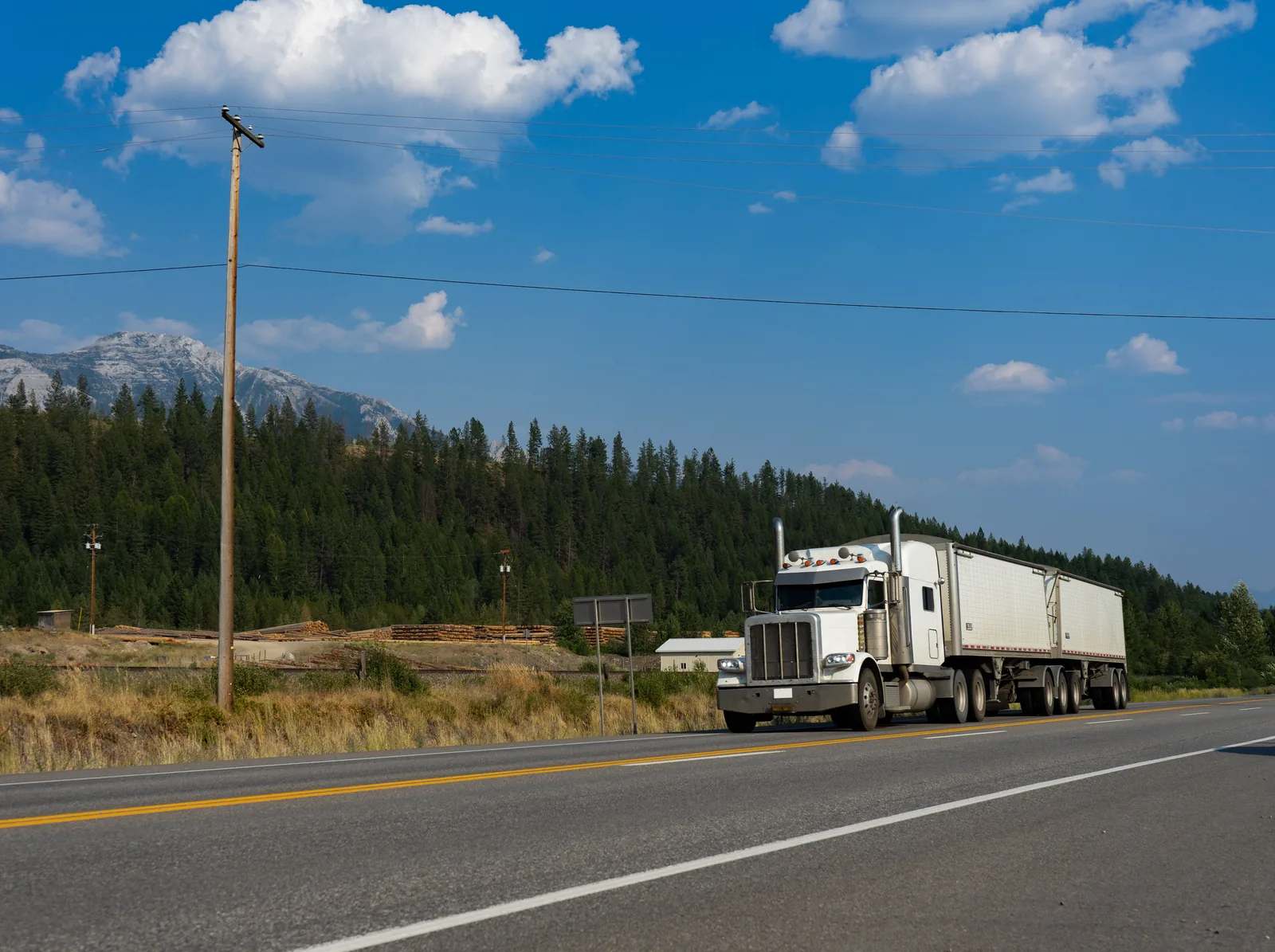

Section 545.352 lists speeds that are lawful on different roads unless a special hazard requires slower driving, such as 30 miles per hour in an urban district and 70 on numbered highways outside one. A speed over a listed limit is prima facie evidence that the speed is not reasonable and prudent and is unlawful. In a crash claim, speed can matter to the question of fault.
Texas Transportation Code, Chapter 545 (Legislature's text). Find section 545.352 in the chapter and read subsections (a) through (e) in full.
Texas Transportation Code section 545.352 sets out the prima facie speed limits. These are the speeds the law lists as lawful on a given type of road. A speed over those limits is, in the statute's words, prima facie evidence that the speed is not reasonable and prudent and is unlawful.
This page covers only section 545.352 and how it shows up after a crash. The basic speed rule in section 545.351, which says a driver may not go faster than is reasonable and prudent under the circumstances, has its own guide on this site. It is mentioned here only to show how the two sections connect.
What does Texas Transportation Code 545.352 say?
It lists the speeds that are lawful on different kinds of roads, and it says a speed above those limits is prima facie evidence that the speed is not reasonable and prudent and is unlawful.
Subsection (a) says that a speed in excess of the limits established by subsection (b), or under another provision of the subchapter, is prima facie evidence that the speed is not reasonable and prudent and that the speed is unlawful.
Subsection (b) starts with a condition. It says that unless a special hazard exists that requires a slower speed for compliance with section 545.351(b), the listed speeds are lawful. So the numbers are not a promise that every speed up to the limit is safe. Subsection (c) covers certain vehicles, (d) defines terms, and (e) says an entity that sets or changes a limit under the subchapter must set the same limit for daytime and nighttime.
What speeds are lawful under the prima facie speed limits?
The statute lists a speed for each type of road: 30 miles per hour on urban district streets, 15 in alleys, 70 on numbered highways outside an urban district, 60 on other highways outside one, and 15 on a beach.
The speeds below come from subsection (b). Some depend on whether the road is inside or outside an urban district. Subsection (d) defines that term as territory next to and including a highway that is improved with structures used for business, industry or dwelling houses, located at intervals of less than 100 feet for at least one-quarter mile on either side of the highway. Read the full definition before applying it to a specific road.
Section 545.353 separately lets the Texas Transportation Commission, after an engineering and traffic investigation, declare a different prima facie limit on part of the highway system. The limit on a particular road can therefore differ from the statute's default numbers.
- 30 miles per hour in an urban district on a street other than an alley.
- 15 miles per hour in an alley.
- 70 miles per hour on a highway numbered by Texas or the United States outside an urban district, including a farm-to-market or ranch-to-market road (except for school buses, below).
- 60 miles per hour on a highway outside an urban district that is not numbered by Texas or the United States (except for school buses, below).
- School buses outside an urban district: 60 if the bus has passed a commercial motor vehicle inspection and is on a numbered highway, including a farm-to-market road. 50 if it has not passed, or the highway is not numbered.
- 15 miles per hour on a beach, and 15 on a county road next to a public beach if the commissioners court declares it.
What does prima facie mean for a speed limit in Texas?
In section 545.352(a), it means a speed over the listed limits is prima facie evidence that the speed is not reasonable and prudent and is unlawful.
The statute uses the phrase prima facie evidence and says what it is evidence of: that the speed is not reasonable and prudent, and that the speed is unlawful. This page stays with that wording.
The section also starts with the special hazard condition. A driver can be under a listed number and still be going too fast for conditions. That is the basic speed rule in section 545.351, covered in its own guide.
How is 545.352 different from the basic speed rule in 545.351?
Section 545.351 asks whether the speed was reasonable and prudent for the circumstances. Section 545.352 gives set numbers, and a speed over them is prima facie evidence of an unreasonable and unlawful speed.
Section 545.351(a) says an operator may not drive at a speed greater than is reasonable and prudent under the circumstances then existing. That rule can apply even when a driver is below a listed number, such as in heavy rain, fog or traffic.
Section 545.352 works from numbers. The statute ties the two together: the listed speeds are lawful unless a special hazard requires a slower speed to comply with section 545.351(b).
Do the prima facie limits apply to buses, light trucks and other vehicles?
Yes for the vehicles subsection (c) names. Their limits are the same as those required for a passenger car at the same time and location.
Subsection (c) names a bus or other vehicle transporting passengers for compensation or hire, a commercial vehicle used as a highway post office vehicle in transporting United States mail, a light truck, and a school activity bus.
Subsection (d) defines a light truck as a truck with a manufacturer's rated carrying capacity of not more than 2,000 pounds, including a pick-up truck, panel delivery truck and carry-all truck. School buses have their own limits in subsection (b)(4).

How does speed affect fault in a Texas car accident claim?
Speed over a listed limit can matter to the question of fault. Fault in Texas is shared by percentage, so the speed of every driver involved can matter.
Under Civil Practice and Remedies Code section 33.003, the trier of fact assigns whole-number percentages of responsibility to claimants, defendants, settling persons and properly designated responsible third parties, based on their causing or contributing to cause the harm. A person's conduct may go to the jury only when sufficient evidence supports it. Under section 33.001, a claimant may not recover damages if his percentage of responsibility is greater than 50 percent. Under section 33.012, if the claimant is not barred, the court reduces the damages by a percentage equal to the claimant's percentage of responsibility.
So proof about the other driver's speed can bear on that driver's share. Proof about the injured person's speed can bear on the injured person's share. The proportionate responsibility chapter has its own guide on this site.
What evidence proves a driver broke the speed limit?
Speed can be shown with physical evidence and records, not just a witness guess. Different pieces can show the speed, the road type and the conditions.
Evidence of the vehicle's speed and the applicable limit can show that the driver exceeded that limit. The type of road and its location can help identify which limit applied. Evidence of a special hazard matters when deciding whether conditions required an even slower speed. Early steps to keep evidence can matter.
The other side may argue a different speed, a different road type, or that the speed did not cause the crash.
- Event data from a vehicle's onboard recorder, if it can be preserved and read.
- Skid and yaw marks and the final rest positions of the vehicles.
- Video from traffic, doorbell, business or dash cameras.
- Witness statements about speed and traffic.
- The officer's crash report.
- Photos of the road, signs, weather and vehicle damage.
Section 545.352 at a glance: what the statute says and how it can be shown after a crash
| Element or rule | What the statute says | How it can be shown after a crash |
|---|---|---|
| Urban district street | 30 miles per hour on a street other than an alley | Road location and surroundings, photos, maps, vehicle data, video |
| Alley | 15 miles per hour | Location photos, witness accounts, video |
| Numbered highway outside an urban district | 70 miles per hour, including farm-to-market and ranch-to-market roads | Road number, location records, vehicle data, skid marks, video |
| Other highway outside an urban district | 60 miles per hour on a highway not numbered by Texas or the United States | Road identification, vehicle data, skid marks, video |
| School bus outside an urban district | 60 on a numbered highway, including a farm-to-market road, if the bus passed its commercial motor vehicle inspection. 50 if it did not or the highway is not numbered | Bus inspection records, location, onboard data |
| Beach | 15 miles per hour, and 15 on a county road next to a public beach if the commissioners court declares it | Location, signs, witness accounts |
| Special hazard | The listed speeds are lawful unless a special hazard requires a slower speed for compliance with section 545.351(b) | Weather records, photos, traffic conditions, witness accounts |
| Effect of going over | Prima facie evidence that the speed is not reasonable and prudent and is unlawful | Proof of actual speed plus proof of the road type and limit that applied |
How it is proven after a crash
- Photos and video of the scene, the road and any signs, taken as soon as it is safe.
- The name and contact information for each driver and witness.
- The crash report number and a copy of the report when it is available.
- Vehicle repair estimates and photos of damage, which can help show impact force.
- A written note of the date, time, weather and traffic at the crash.
- A request that the other driver or vehicle owner preserve vehicle data, if a lawyer advises it.
Mistakes that cost people money
- Assuming the number in section 545.352 is the only speed question. Conditions can also make a lower speed unreasonable.
- Assuming the speed question is settled without evidence. A claim depends on proof of what happened.
- Guessing the other driver's speed to an insurer without any proof.
- Waiting too long to ask for video and vehicle data, which may be lost if not preserved.
- Forgetting that the injured person's own speed can also be weighed in the fault percentages.
Related Texas laws
- All Texas laws explained
- Transportation Code 550.023: Info Exchange and Aid
- Texas Transportation Code 550.025: Hitting a Fixture
- Transportation Code 601.051: Texas Financial Responsibility
- Texas Speeding Law: Transportation Code 545.351
- Texas Following Too Closely Law: Transp. Code 545.062
- How to get a Texas crash report
- Car accident lawyer
- Houston injury lawyer
Where this fits in your claim
- 1. The crash: what to do at the scene and in the first days
- 2. The report: how to get your Texas crash report (CR-3)
- 3. The insurance claim: claims phone numbers and first calls
- 4. Treatment: how PIP pays medical bills
- 5. Liens: hospital liens on a settlement
- 6. The demand: what a demand letter does
- 7. The lawsuit: the two-year deadline to sue
Frequently asked questions
What is the prima facie speed limit in Texas?
Section 545.352 lists several. Examples are 30 miles per hour in an urban district on a street other than an alley and 70 miles per hour on a numbered state or U.S. highway outside an urban district. The statute says these are lawful unless a special hazard requires a slower speed.
What does prima facie evidence mean here?
Section 545.352(a) says a speed over the listed limits is prima facie evidence that the speed is not reasonable and prudent and is unlawful.
Is 545.352 the same as the basic speed rule?
No. The basic speed rule is section 545.351, which asks if the speed was reasonable and prudent under the circumstances. Section 545.352 sets listed speeds and treats going over them as prima facie evidence of an unlawful speed.
Can the injured person still recover if they were speeding too?
Possibly. Under Civil Practice and Remedies Code chapter 33, a claimant may not recover damages if his percentage of responsibility is greater than 50 percent, and otherwise the damages are reduced by that percentage.
What proves the other driver was speeding?
Evidence such as vehicle data, video, skid marks and witness accounts can bear on speed. Fault in a claim rests on the evidence of what happened.
Can the Texas Transportation Commission change these limits?
Section 545.353 lets the commission declare a different prima facie limit on part of the highway system after an engineering and traffic investigation. Check the limit for the road in question.
This page is general information about Texas law and is not legal or medical advice. Every case depends on its own facts. Contact the firm for a free review of yours.
Keep reading



Sources