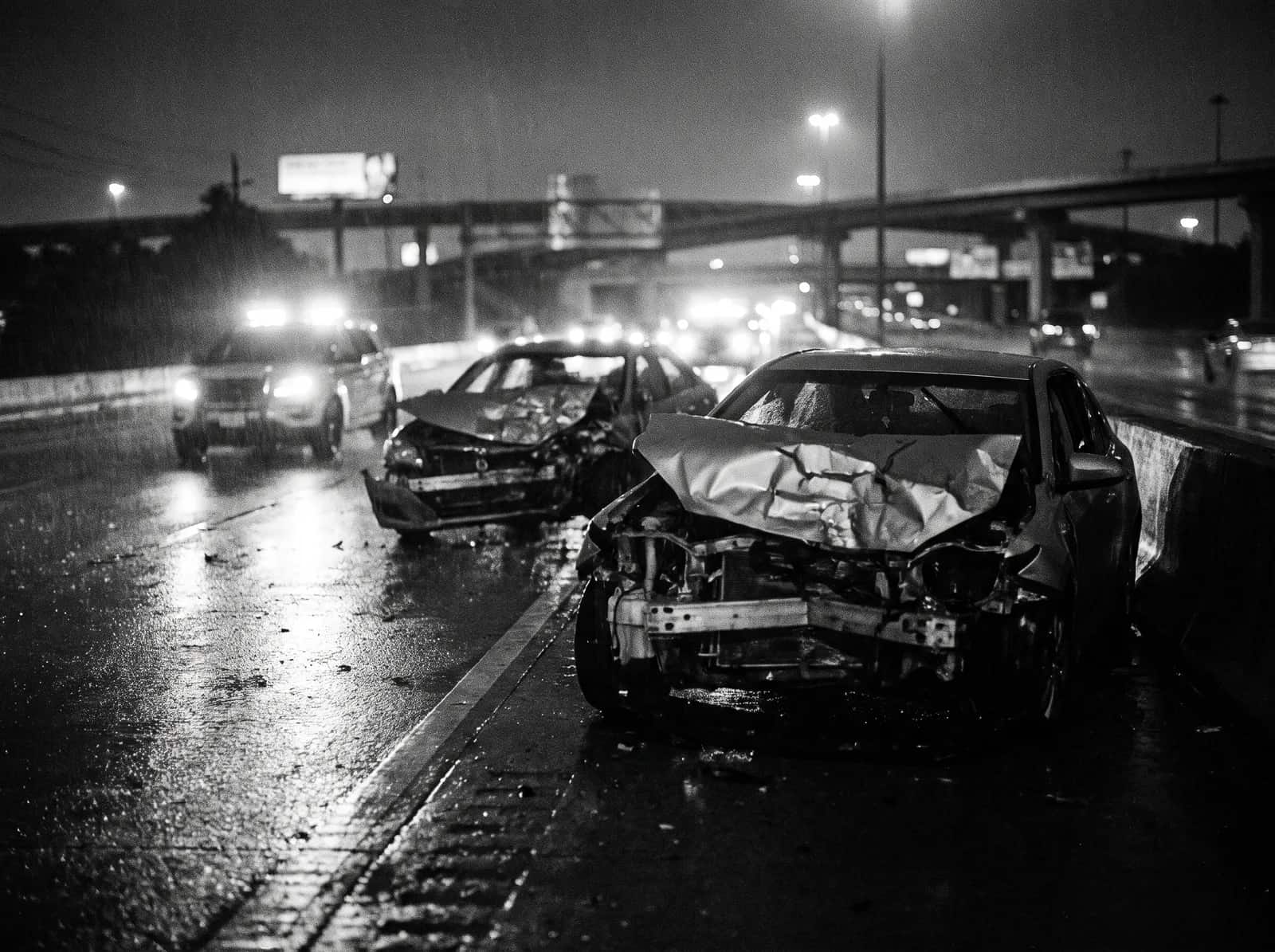

Yes. From the moment a ride is accepted until the passenger exits, Texas Insurance Code Chapter 1954 requires the company to carry at least $1 million in coverage for injuries to passengers and others.
Chapter 1954 sets three tiers. App off: only the driver’s personal policy applies, and most exclude commercial driving. Logged in and waiting: at least $50,000 per person and $100,000 per crash. Ride accepted through drop-off: $1 million, plus uninsured/underinsured motorist coverage.
A passenger is covered by the $1 million policy regardless of which driver caused the crash. If another driver was at fault, the passenger also has a claim against that driver’s policy.
Everything turns on app status at the moment of impact, and those records are held by the company. Screenshot the trip immediately, report the crash in the app, and do not accept an early offer; rideshare insurers make them before injuries are understood.
Owsley Law Firm sends preservation demands to the company the week a client calls and pursues every applicable policy with no fee unless it wins.

The three-tier structure of Insurance Code Chapter 1954 makes app status the decisive fact. When the app is on and the driver is waiting for a ride request, the coverage is the lower tier. When the driver has accepted a ride and until the passenger exits, the higher tier applies. When the app is off, the driver's personal policy applies, and personal policies often exclude commercial use. Determining exactly which state the driver was in requires trip logs the company controls.
Passengers have several potential sources of recovery. The rideshare company's policy covers injuries to a passenger during a trip regardless of who caused the crash. If another driver caused it, that driver's liability policy applies as well. The passenger's own UM/UIM or PIP coverage may also apply, since those coverages generally follow the person, not only the vehicle.
Pedestrians and other drivers struck by a rideshare vehicle also have claims. The tier that applies depends on the same app status, so a crash with a driver who was just heading to pick someone up can be treated differently from one during a ride. Screenshots of the driver and trip details, taken at the time, are inexpensive evidence that can matter later.
Rideshare insurers often act quickly. They contact injured passengers early, sometimes with modest offers, and they may ask for statements. As with any insurer, it is wise to get advice before responding, and to report the crash within the app so that a record is created on the company's side.
Related questions
Can I sue Uber or Lyft directly?
Claims are usually pursued against the driver and the company's insurance coverage required by Chapter 1954. Whether the company itself is liable depends on the facts, and the company's terms may affect how a dispute proceeds, so a lawyer should review them.
What if the driver was between rides?
If the app was on and the driver was waiting for a request, the lower coverage tier generally applies. If a ride had been accepted, the higher tier applies. App records will establish which.
What if I was hit by a rideshare driver while in another car?
You may have a claim against the rideshare driver and the applicable insurance policy, in addition to your own coverages. The coverage tier depends on the driver's app status at the moment of the crash.
Read next