
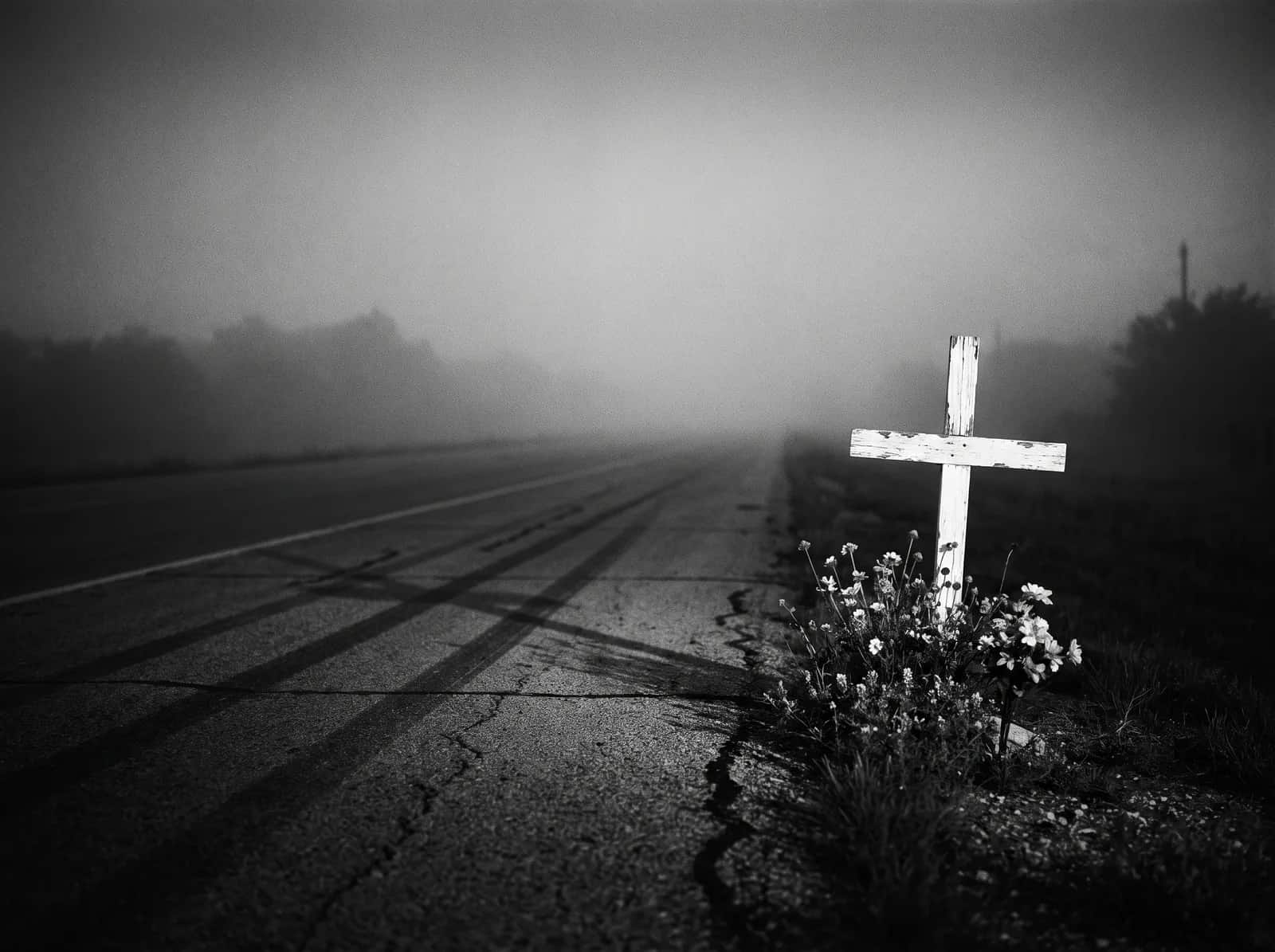

In Austin, when a crash caused by someone else kills a family member, the spouse, children, and parents can bring a wrongful death claim under Texas law for lost support, companionship, and mental anguish. Owsley Law Firm handles Austin wrongful death from its Houston offices, comes to you, and charges no fee unless it wins. Call before you speak with any insurer.
Wrongful Death in Austin
Where do Austin fatal crashes happen?
Travis County fatal crashes cluster on I-35, SH-130, and US-183 at night. The firm handles the family’s wrongful death and survival claims together.
Travis County fatal crashes cluster on I-35, SH-130, and US-183 at night. The 85 mile per hour limit on SH-130 south of Mustang Ridge makes any crash there a potential fatality, and I-35 through downtown produces pedestrian deaths and wrong-way crashes after the bars close. The firm’s Austin wrongful death cases frequently involve alcohol and a dram shop claim against a downtown bar. Austin Police’s Vehicular Homicide Unit investigates, and the family’s claim is filed at the Civil and Family Courts Facility.
Corridors where fatal crashes cluster in Austin
- I-35 through downtown between Cesar Chavez and Airport Boulevard
- I-35 at US-183 and the Rundberg corridor in north Austin
- MoPac at Lady Bird Lake and the express-lane entrances
- US-183 at SH-71 near the airport
- SH-130 toll road between Pflugerville and Mustang Ridge
- Lamar Boulevard and Riverside Drive through South Austin
Cases from Austin
What does a Austin wrongful death case look like?
A pickup on SH-130 loses control at 85 miles per hour and crosses the median; the family of the driver in the oncoming car brings a wrongful death claim.
Who has the right to bring a wrongful death claim in Austin?
The spouse, children, and parents of the person who died, and one of them can file on behalf of all.
Under Civil Practice and Remedies Code section 71.004, the claim belongs to the immediate family named in the statute. If no family member files within three calendar months, the estate's executor or administrator must bring it unless all of them ask otherwise.
Families in grief often do not know where to start. The first conversation with the firm covers who can file, what has to be done right away, and what can wait.
Children of any age, including adult children, are included, and so are parents of an adult who died. Brothers, sisters, and grandparents are not on the statute's list, though they may share in the estate's separate claim.
Does the family need to go through the Travis County probate courts?
The wrongful death claim does not require probate. The estate's survival claim needs someone with authority to act for the estate.
The survival claim under section 71.021 recovers what the person who died suffered before death, including medical bills, pain, and funeral expenses. It belongs to the estate, so a representative of the estate usually brings it.
Travis County has statutory probate courts, including Probate Court No. 1 at 200 W. 8th Street, which handle wills, heirships when there is no will, and estate administrations. The firm explains early whether a family needs an administration or can use a simpler path.
When the person who died had no will, Texas law decides who the heirs are, and the probate court can declare them. The firm coordinates with probate counsel when an administration is needed.
What can an Austin family recover?
Lost financial support, loss of companionship and guidance, mental anguish, and funeral and medical costs through the estate.
Each family member's loss is measured on its own, and under section 71.010 a jury divides the damages among them. Adult children have claims for the loss of a parent even if they no longer lived at home.
Exemplary damages are available for a wilful act or omission or gross negligence under section 71.009, go to the surviving spouse and the children and other descendants under the Texas Constitution, and are capped under section 41.008, except when the death resulted from intoxication manslaughter. Many fatal crashes in Austin involve an impaired driver, so that exception often matters.
The estate's survival claim adds what the person suffered before death and the medical and funeral costs. Together the wrongful death and survival claims are meant to account for the full loss to the family.
What if the death happened in an I-35 work zone or on SH-130?
The driver who caused the crash is responsible, and a contractor whose work zone helped cause it may share responsibility.
The I-35 Capital Express Central project will keep lane shifts and narrowed lanes in central Austin for years. Missing signs, confusing striping, or debris left in a lane can make a contractor part of the case, and the traffic control plans for the day of the crash show how the zone was set up.
On SH-130, the posted speed limit is among the highest in the country, and crashes at those speeds are often fatal. Vehicle data, toll records, and reconstruction can establish speed and timing.
When TxDOT itself controlled the condition that caused the crash, the claim runs under the Texas Tort Claims Act with its notice deadline and caps. When a private contractor controlled it, ordinary negligence rules apply, so identifying who was in charge of the zone matters early.
What if a state employee or a Capital Metro driver caused the death?
The family's claim against the government runs under the Texas Tort Claims Act, with damage caps and a short notice deadline: generally six months, but only 45 days for the City of Austin.
A state agency or university vehicle driven by an employee on duty brings the claim under the Tort Claims Act, with the state's caps of $250,000 per person and $500,000 per occurrence. Capital Metro and the City of Austin are local governmental units subject to the same act, and the City of Austin's charter requires sworn written notice within 45 days of the death or injury.
A private driver who shared fault can be pursued without those caps. Because the notice deadline is short, families should not wait to call.
Notice is a written description of the claim, not the lawsuit itself. If the government does not resolve the claim, the lawsuit still has to be filed within the two-year limit from the date of death.
What if the person who died was a pedestrian?
The family can bring the claim, and the driver's insurer will often try to blame the pedestrian. Texas reduces recovery only by the share of fault a jury assigns.
Pedestrian deaths in Austin often happen at night, on wide roads, and near I-35 frontage roads. Lighting, crosswalk location, the driver's speed, and whether the driver was impaired all matter.
Under Chapter 33 of the Civil Practice and Remedies Code, the family recovers unless the person who died was more than 50 percent responsible, and any recovery is reduced by their share. Camera footage and reconstruction often show more than the first report.
Families are sometimes told early that their loved one was to blame. That conclusion is often premature, and an independent review of the lighting, the driver's speed, and the scene can change it.

How long does the family have to file in Travis County?
Generally two years from the date of death.
Civil Practice and Remedies Code section 16.003(b) runs the limit from the date of death. Claims against a government entity need written notice much sooner.
The Austin Police Department's Vehicular Homicide Unit investigates fatal crashes in the city, and its findings help the civil case. The family's claim does not have to wait for any criminal case to finish.
Some families wait for the criminal case before calling a lawyer, but the civil deadline keeps running regardless. Calling early protects the claim and the evidence.
What does it cost an Austin family?
Nothing up front. There is no fee unless the firm wins the case.
The firm handles Austin cases from its Houston offices and meets families by appointment at 301 Congress Avenue, 12th Floor, or at home. The team answers calls 24/7.
Clients may be responsible for case expenses, such as court costs, as set out in the written fee agreement, which the firm explains before anything is signed.
What should an Austin family do first after a fatal crash?
Lean on each other, and let the firm handle the insurers and the evidence.
Do not give a recorded statement or sign anything for the at-fault driver's insurer. Keep the crash report number, hospital records, funeral receipts, and any letters you receive, and note the names of anyone who saw the crash.
The firm can request the crash report, preserve vehicle data and video, and identify every insurance policy while the family focuses on what matters most.
- No recorded statements to any insurer
- Keep the crash report number
- Save hospital, funeral, and burial records
- Note witness names
- Call before signing any release
Can more than one party be responsible for a fatal Austin crash?
Often. The driver, an employer, a vehicle owner, a bar that overserved the driver, or a contractor can share responsibility.
An employer is generally responsible for an employee driving on the job, and a business that hires or keeps an unsafe driver can be liable on its own. A vehicle owner who lends a car to someone they know is unsafe can be responsible under negligent entrustment.
Each responsible party may have separate insurance, and in a death case that often decides whether the family's losses can actually be paid.
How is an Austin wrongful death claim valued?
By what each family member lost, proved through records and the people who knew the person who died, within the limits of the insurance available.
Pay records, tax returns, and benefits show the financial loss, and testimony from family and friends shows the loss of companionship and guidance. Each eligible family member's loss is considered separately.
The firm's wrongful death settlement guide explains these factors. The firm does not estimate a value until the evidence is in.
How a Travis County wrongful death claim usually moves
| Stage | What happens |
|---|---|
| First weeks | Preserve evidence, request the crash report and investigation records, identify every insurance policy |
| Estate questions | Decide whether the survival claim needs a probate administration |
| Government notice | Send written notice within the deadline if a government vehicle or road is involved |
| Documenting losses | Gather income, benefits, household contributions, and medical and funeral records |
| Claim or lawsuit | Present the claim to insurers, and file suit in Travis County if they will not pay fairly, within two years of the death |
| Resolution | Settlement or verdict, with the jury or the family deciding each member's share |

What to do now
What should you do after a fatal crash in Austin?
- Request the crash report and keep every record you receive. Austin Police Department reports are available through the TxDOT Crash Report Online Purchase System, usually within 10 days. The firm obtains it for clients at no charge.
- Do not sign anything or give a recorded statement to the at-fault driver's insurer. Adjusters sometimes call families within days, before anyone knows what the claim is worth.
- Gather what shows what your family lost: pay stubs and tax returns, benefits, and the household work your loved one did. These records carry the economic part of the claim.
- Know who can bring the claim. Texas lets the surviving spouse, children, and parents file a wrongful death claim, and the estate can bring a separate survival claim for what your loved one suffered before death.
- Watch the deadline. A Texas wrongful death claim generally must be filed within two years of the date of death.
- Know where the case goes. Austin wrongful death suits are filed in the Travis County Civil District Courts, Civil and Family Courts Facility, or Travis County Courts at Law depending on the crash location.
- Call the firm. Austin clients are handled from Houston by phone, video, and mail, and the firm travels to Austin for meetings, depositions, and court. The consultation is free.
Go deeper
More on wrongful death claims in Austin and Texas.
Common questions
Austin wrongful death questions
Who investigates a fatal crash in Austin?
The Austin Police Department’s Vehicular Homicide Unit inside the city, and the Travis County Sheriff or DPS outside it.
Where is an Austin wrongful death case filed?
In the Travis County Civil District Courts, with the estate’s survival claim.
Can a family recover for an unborn child lost in an Austin crash?
Yes. Texas wrongful death law includes an unborn child at every stage of pregnancy, so parents can bring a claim when a crash caused by someone else results in the loss of a pregnancy. The mother’s own injury claim is separate. Medical records from Dell Seton or the treating hospital document what happened.
Can an adult child bring a wrongful death claim after a parent’s Austin crash?
Yes. Texas allows children of any age to recover for the death of a parent, including adult children who no longer lived at home. Their damages often focus on the loss of the relationship, guidance, and support. Each child’s relationship with the parent is shown through family members, photos, and the details of their lives together.
Can a family recover for an older parent who was retired?
Yes. The loss of a parent's companionship, guidance, and household contributions is recoverable even without lost wages.
What if the person who died was a student from out of state?
The parents can bring the claim in Texas when the crash happened here. Where they live does not change their right to file.
Who handles the criminal case against the driver?
The district attorney prosecutes the criminal case. The family's civil claim is separate and is the only one that pays the family.
What if there was no will?
The wrongful death claim belongs to the spouse, children, and parents directly. The survival claim may require an heirship or administration in probate court.
Is a settlement for a minor child handled differently?
Yes. A settlement on behalf of a minor generally needs a court's approval, and the money is usually protected in the court registry until 18 or in a court-created trust that can last until 25.
Can the family recover if the driver had only minimum coverage?
The family's own uninsured or underinsured coverage, if the person who died had it, can add to the at-fault driver's limits. The firm checks every policy that might apply.
Sources