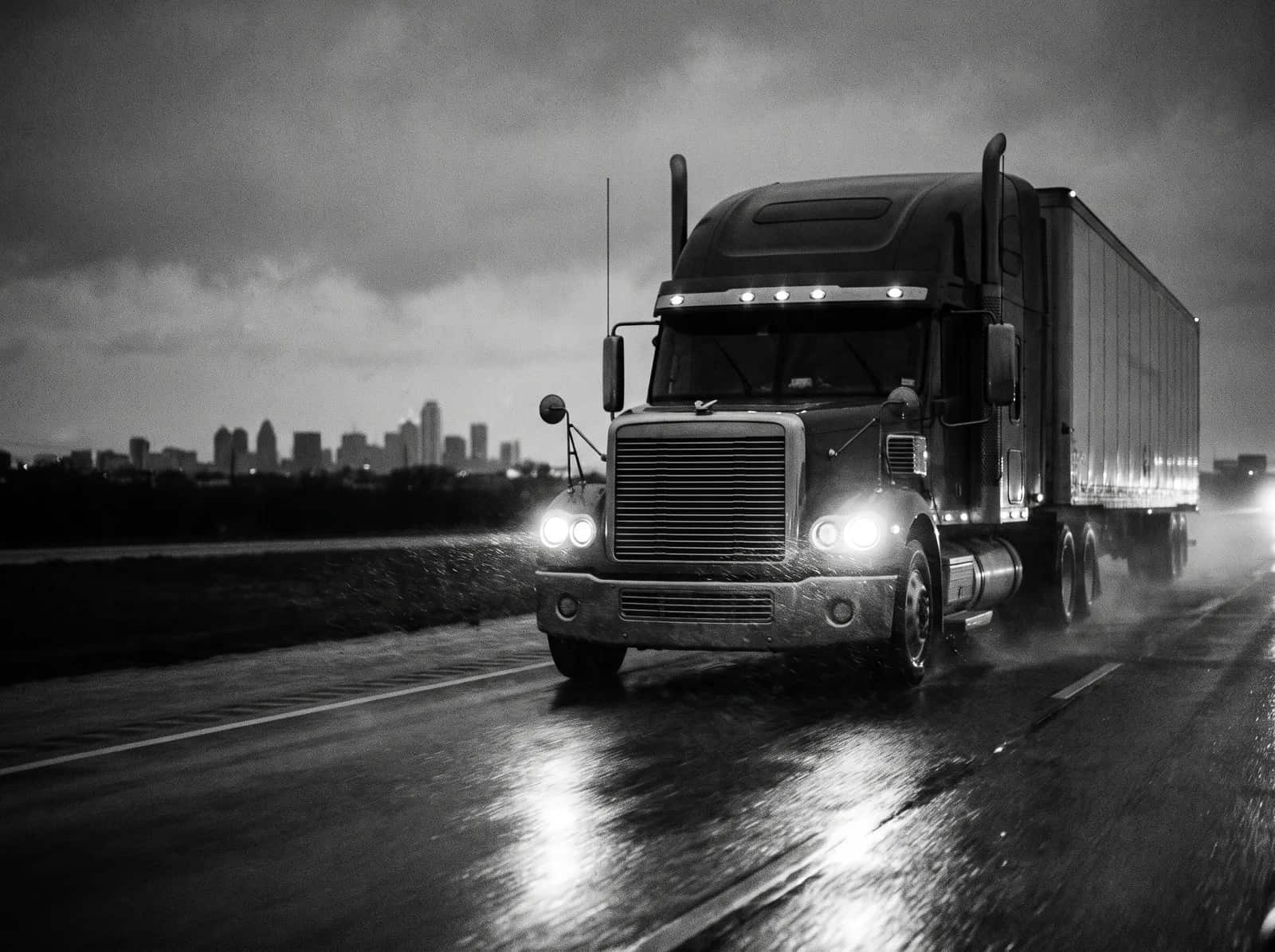

Austin’s 18-wheeler crashes come from I-35 congestion, construction-zone lane shifts, and freight using SH-130 and US-183 around the city. A truck case can involve the driver, the carrier, the shipper, and a construction contractor, each with separate insurance. Owsley Law Firm handles Travis County truck cases, preserves the truck’s data and logs, and charges no fee unless it wins.
Why do 18-wheelers crash so often around Austin?
I-35 through Austin is one of the most congested highway segments in Texas, and it is also a primary freight route between Mexico, San Antonio, and Dallas. Trucks in stop-and-go traffic need far more distance to stop than cars, and rear-end crashes into slowing traffic are common. TxDOT’s reconstruction of I-35 through central Austin adds narrowed lanes, lane shifts, and work zones.
SH-130, the toll road east of the city, was built as an alternative to I-35, and trucks use it at high speed. SH-130 has the highest posted speed limit in the country, 85 miles per hour on one segment, which makes any crash there more violent.
- Rear-end crashes into slowing traffic on I-35
- Lane-shift and work-zone crashes in I-35 construction
- High-speed crashes on SH-130
- Construction truck crashes on US-183 and SH-71 as the region grows

What if the crash happened in an I-35 construction zone?
A work zone can add a defendant. A contractor that set up lane shifts, signs, or barriers poorly may share responsibility with the trucking company. Claims involving TxDOT itself are limited by the Texas Tort Claims Act, which has short notice deadlines and caps, so the contractor and the carrier are usually the focus.
Texas doubles traffic fines in work zones when workers are present, which reflects how dangerous these areas are. The evidence of how the zone was laid out on the day of the crash can disappear as the project moves, so photos and records should be gathered early.
Who can be responsible for an Austin truck crash?
The driver, the motor carrier, a trailer owner, a shipper that loaded the cargo, a maintenance shop, and in some cases a broker or a construction contractor. Carriers must follow federal rules on driver qualification (Part 391), hours of service (49 CFR Part 395), and maintenance (Part 396), and they must carry at least $750,000 in coverage for general freight under 49 CFR 387.9.
What evidence proves an Austin 18-wheeler case?
The truck’s engine control module and electronic logging device record speed, braking, and the driver’s hours, and many fleets run cameras. A preservation demand protects that data at the start. Crash reports from Austin Police, Travis County, or DPS, TxDOT traffic cameras, and construction project records add the rest.
Medical records matter from the first hour. Dell Seton Medical Center at the University of Texas is Austin’s Level I trauma center, and serious truck crash injuries are often treated there.
What should you do after an 18-wheeler crash near Austin?
Get care first. Then, if you can:
- Photograph the truck, trailer, company name, and USDOT number
- Photograph the work zone layout if the crash happened in construction
- Collect witness names and numbers
- Do not discuss fault with the carrier’s investigator or insurer
Where are Austin truck cases filed?
Travis County cases are filed in the civil district courts at the Civil and Family Courts Facility downtown. Crashes on I-35 north in Williamson County or south in Hays County may belong in those counties, and some truck cases can be heard in federal court in the Western District of Texas, Austin Division.
Texas Chapter 72 trial rules apply to commercial vehicle cases, and the two-year filing deadline under section 16.003 applies to most claims.
What if the truck was serving one of Austin’s construction projects?
Austin’s growth has filled US-183, SH-71, and the I-35 corridor with dump trucks, cement mixers, flatbeds carrying steel and materials, and equipment haulers. These trucks often run on tight schedules between job sites and supply yards, and their drivers may work long days.
When a construction truck causes a crash, the company that owns and dispatches the truck is usually the main defendant, and a general contractor that controlled the schedule or the route can sometimes share responsibility. Many construction trucks are subject to the same federal and state safety rules as long-haul trucks when they meet the weight thresholds, and the firm checks the company’s registration and inspection history through public FMCSA records.
How does the firm handle Austin truck cases?
Owsley Law Firm handles Travis County truck cases from its Houston offices and meets Austin clients by appointment at 301 Congress Avenue, 12th Floor, or comes to you. The team preserves the truck data, identifies the carrier, contractor, and every policy, and prepares the case to federal safety standards. There is no fee unless the firm recovers money for you.
Go deeper
More on 18-wheeler accidents in Austin and Texas.
Common questions
Austin 18-wheeler accidents questions
Is a truck crash on SH-130 handled differently?
The law is the same, but the higher speeds usually mean more serious injuries, and the crash report may come from DPS or a county agency rather than Austin Police.
Can I sue TxDOT for a crash in the I-35 construction?
Claims against TxDOT are limited by the Texas Tort Claims Act, with short notice deadlines and damage caps. The contractor and the trucking company are often the stronger targets.
What if a dump truck or cement mixer hit me in Austin?
Construction trucks are commercial vehicles. The company that owns and dispatches them, and sometimes the general contractor, may be responsible.
How much insurance does an 18-wheeler carry?
At least $750,000 for general freight under federal rules, more for some hazardous loads, and often more by contract.
How long do I have to file after an Austin truck crash?
Generally two years from the crash, with shorter notice rules if a government entity is involved.
Do I need to go to Houston to meet the firm?
No. The firm meets Austin clients by appointment at 301 Congress Avenue, 12th Floor, and handles most of the work by phone, video, and mail. When you cannot travel, the firm comes to you at home or in the hospital.