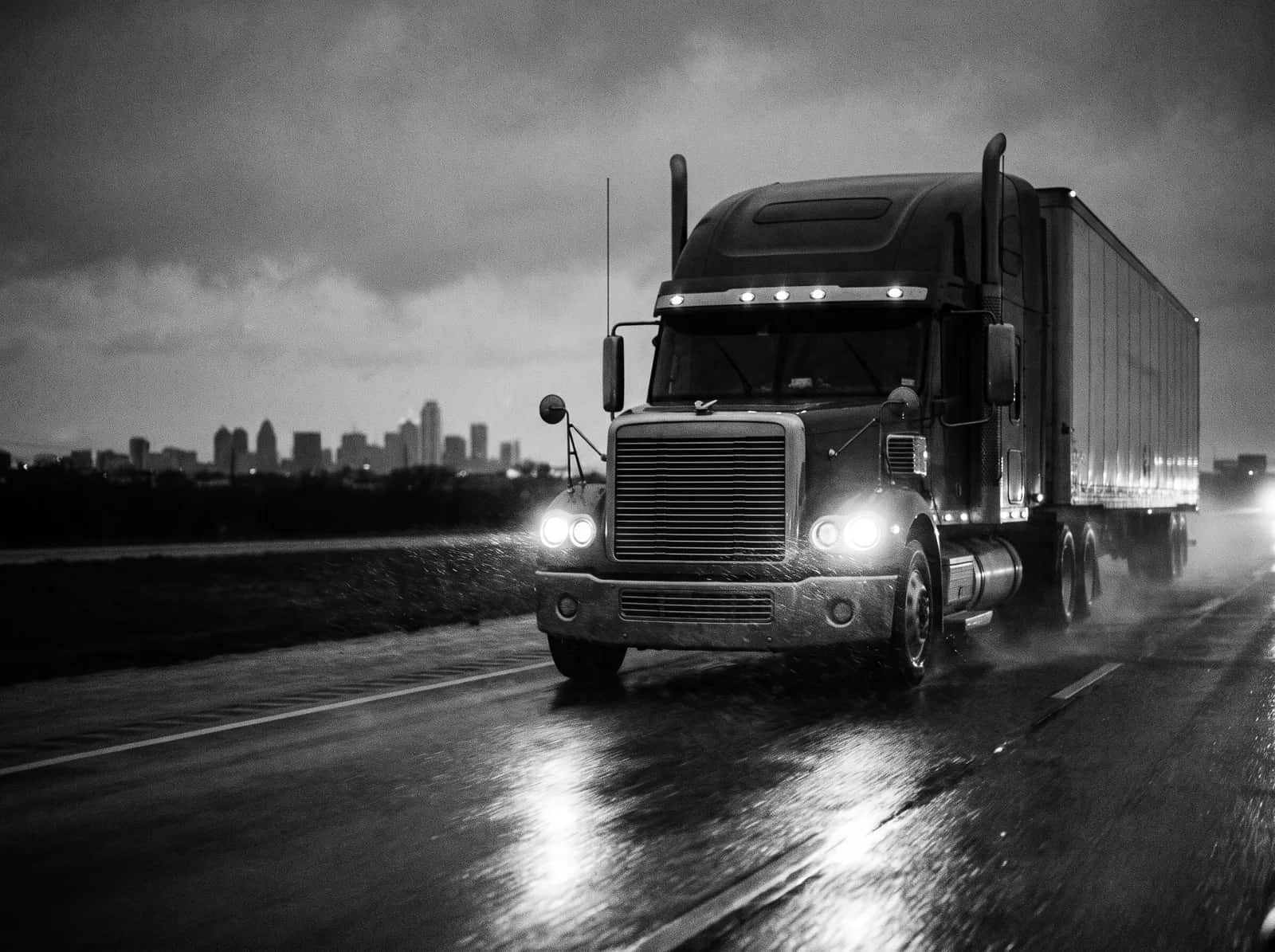

In Texas, an underride crash, where a passenger car goes beneath a trailer, is often a product of a missing or failed rear guard, poor trailer lighting, or a truck stopped where it should not be, and each is a separate basis for liability. Owsley Law Firm handles these severe-injury and fatal cases and charges no fee unless it wins.
What is an underride crash?
An underride crash happens when a passenger vehicle slides beneath the back or side of a trailer. A trailer bed sits at roughly the height of a car’s windshield, so instead of the car’s bumper and hood absorbing the impact, the trailer strikes the windshield, roof pillars, and occupants. The car’s crumple zones and airbags are largely bypassed.
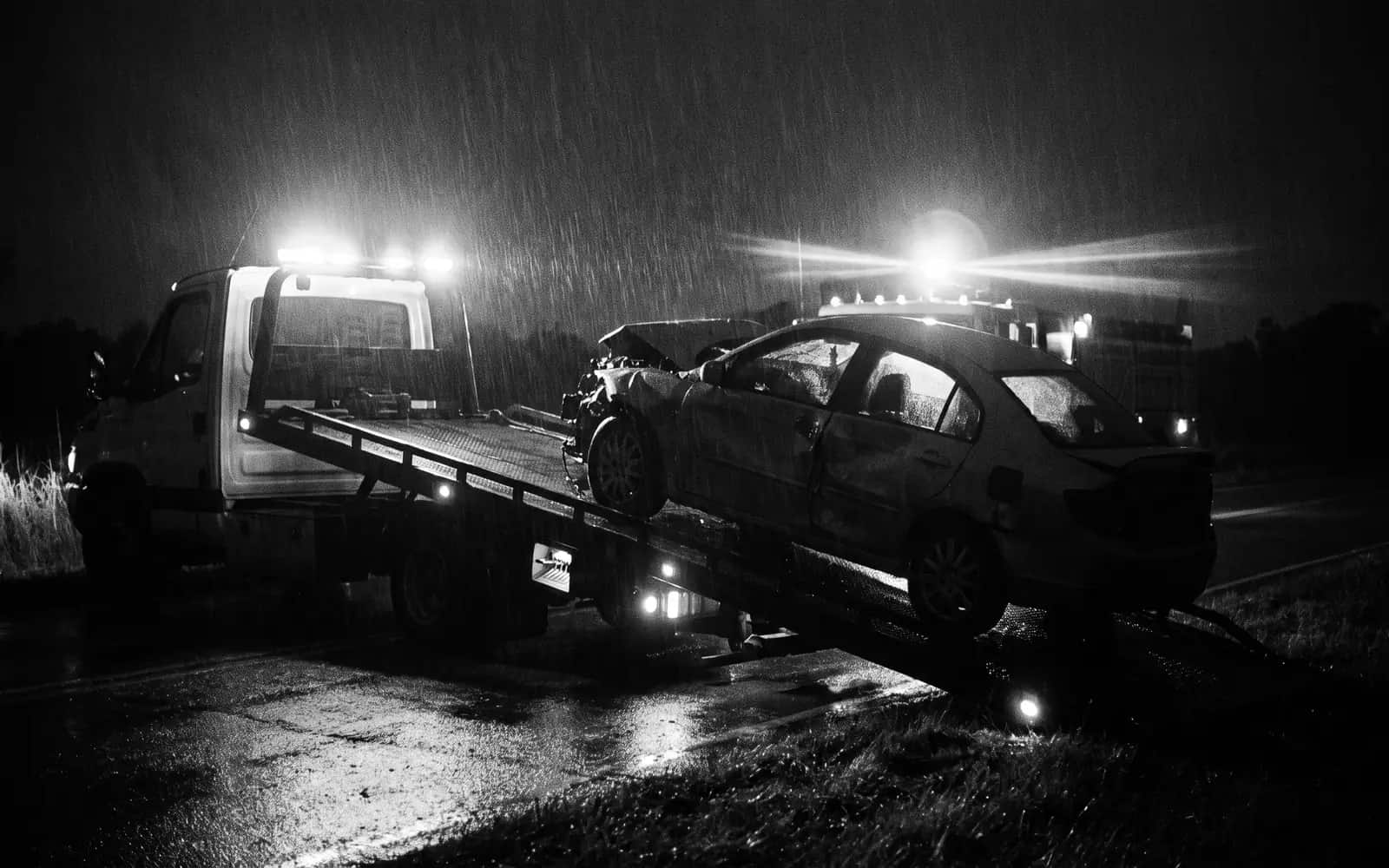
Why are underride crashes so deadly?
Because the passenger compartment takes the impact. Injuries are frequently fatal or involve severe head, neck, and spinal trauma, even at moderate speeds. Many underride deaths are considered preventable, which is why federal rules require rear impact guards on most trailers under 49 CFR 393.86 and reflective conspicuity tape and lighting under Part 393.
Underride crashes most often happen at night and in low light, when a dark trailer crossing or stopped on a roadway is hard to see. That is why conspicuity rules require reflective tape along the sides and rear of trailers, and why missing or dirty tape is a significant liability fact.
What makes the trucking company liable in an underride crash?
The firm examines the trailer, the scene, and the carrier’s records. Common liability facts include:
The carrier’s own inspection reports matter. Drivers must inspect lights and reflectors before trips and report defects, and carriers must repair them. A defect that appears in repeated reports and was never fixed points to the carrier’s negligence, not only the driver’s.
- A rear guard that was missing, damaged, bent, or below standard
- Reflective tape and lights that were dirty, missing, or not working
- A truck stopped or backing on a roadway without warning triangles or hazard lights
- A slow-moving or merging truck without adequate signaling
- A wide right turn or a crossing maneuver that left the trailer across a lane
- A trailer pulled across a highway at night where approaching drivers could not see it
Are side underride guards required?
Rear guards are required on most trailers under federal rules. Side guards are not federally required, which is one reason side underride crashes, where a car goes beneath the middle of a trailer during a turn or lane change, remain a serious risk. Even without a side guard rule, a driver or carrier can be negligent for how and where the truck was operated.
Side underride crashes commonly happen when a truck turns across lanes at an intersection or driveway, or when a car changes lanes beside a trailer. The investigation looks at the truck’s path, its lighting, the driver’s mirrors and checks, and whether the maneuver was safe.
Can the trailer owner be responsible separately from the carrier?
Yes. Trailers are often owned or leased by companies other than the carrier pulling them. Trailer owners, lessors, and maintenance contractors each have duties to keep guards and lighting in compliance. Inspection and repair records for the trailer itself are part of the investigation.
Guards can also be damaged in docking accidents and never repaired, leaving a guard that looks intact but would fail in a crash. Expert inspection of the guard’s welds, bolts, and attachment points shows whether it was compliant.
What claims does a family have after a fatal underride crash?
Many underride cases are brought by families. Chapter 71 of the Texas Civil Practice and Remedies Code allows the spouse, children, and parents to bring a wrongful death claim, and section 71.021 allows the estate’s survival claim for what the person suffered before death. Where a carrier knowingly ran non-compliant equipment, exemplary damages under Chapter 41 may be available.
Wrongful death damages can include the loss of financial support, loss of companionship and society, mental anguish, and loss of inheritance. The estate’s survival claim can include medical expenses, funeral expenses, and the pain the person experienced before death. These claims are handled together, and the firm explains each one to the family plainly.
What should a family do after an underride crash?
The most important step is preserving the trailer before it is repaired, sold, or scrapped. Photographs of the rear guard, its mounting, the lights, and the reflective tape should be taken as soon as possible, and a preservation letter should go to the carrier and the trailer owner. Get a copy of the crash report, which identifies the carrier and its USDOT number. Do not sign anything or give statements to the trucking company’s representatives. A lawyer can obtain the carrier’s inspection and maintenance records for the trailer and its safety history, which together show whether the crash was preventable.
How long do I have to file?
The deadline is generally two years from the date of the injury, or from the date of death in a wrongful death case, under section 16.003. The trailer and its guard are the central evidence and must be preserved before they are repaired or scrapped.
Common questions
What clients ask about underride crashes.
What is an underride accident?
A crash in which a smaller vehicle slides beneath a truck’s trailer, so the trailer bed strikes the windshield and roof rather than the bumper and hood.
Are trailers required to have underride guards?
Rear guards are required on most trailers under federal rules. Side guards are not federally required, which is why side underride crashes remain common and dangerous.
Can the trailer owner be liable separately from the carrier?
Yes. Trailer owners, lessors, and maintenance contractors each have duties, and the firm identifies every responsible party.
What if my family member died in an underride crash?
The family can bring a wrongful death claim and the estate a survival claim. The firm handles both with the seriousness they deserve and charges no fee unless it recovers.
Why does the trailer need to be inspected?
The guard’s condition, mounting, and dimensions, along with the lighting and reflective tape, often decide liability. Once repaired or scrapped, that evidence is gone.