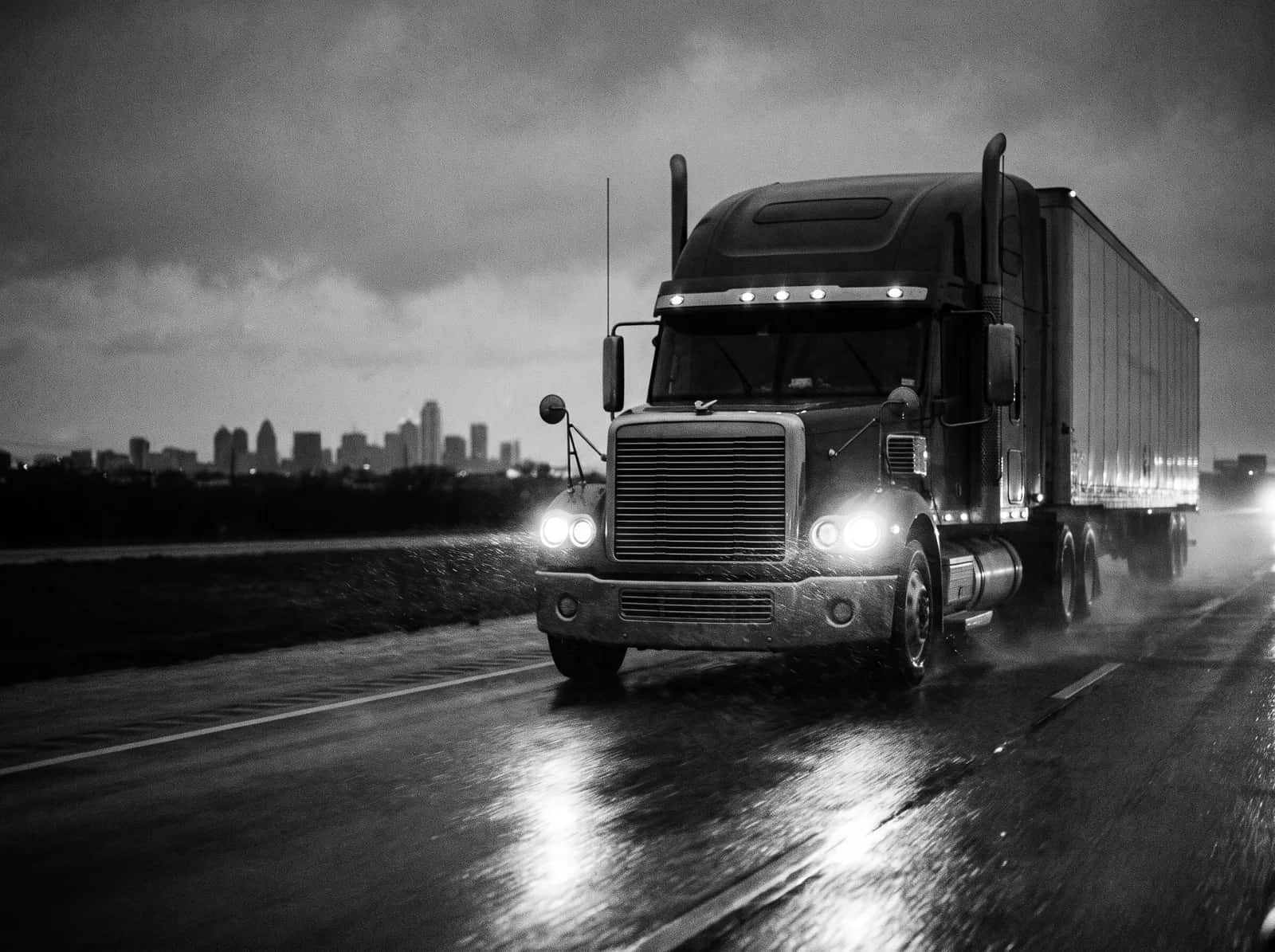

In Texas, a crash caused by cargo that shifted, spilled, or exceeded weight limits is a claim against the carrier and often the shipper or loader, under federal securement rules that exist to prevent exactly that. Owsley Law Firm identifies every responsible company and charges no fee unless it wins. Call before the load is cleared and the records are gone.
What are the cargo securement rules for trucks?
49 CFR Part 393, Subpart I sets binding standards for securing cargo: the number and strength of tie-downs based on the cargo’s weight and length, working load limits, blocking and bracing, and specific rules for commodities such as logs, metal coils, concrete pipe, heavy machinery, and vehicles. Federal and Texas weight limits generally cap gross vehicle weight at 80,000 pounds on most highways unless the load is permitted. A violation is evidence of negligence.
Drivers must inspect cargo and securement devices within the first 50 miles of a trip and periodically after that, under 49 CFR 392.9. A driver who never checked the load after leaving the yard has violated a federal rule.

How does unsafe cargo cause crashes?
Cargo problems cause crashes in several ways.
Excess weight lengthens stopping distance, overheats brakes on long grades, raises the risk of tire failure, and makes rollovers more likely. Weigh station records, permits, and bills of lading show what the truck was carrying. Carriers that routinely run heavy to save trips can be responsible for that business decision.
- A load that shifts in a turn and tips the trailer into a rollover
- An overweight truck that cannot stop in time
- Cargo that falls onto the roadway and is struck by following traffic
- Loose straps, tarps, or debris that strike a windshield
- An unbalanced load that makes the trailer sway or jackknife
Who is liable when cargo falls off a truck?
Drivers must inspect their load before the trip and periodically on the road, so the driver and carrier are responsible for securement. But shippers, warehouses, and third-party loaders often do the actual loading, and they are liable when they do it wrong. On the Houston Ship Channel and at the Port of Houston, containers and bulk loads are handled by contractors whose insurance may be the primary recovery. Bills of lading, loading records, and the driver’s inspection report show who did what.
Intermodal containers moving between the port and inland warehouses are a particular concern. The container is often packed overseas or by a shipper the driver never meets, and the chassis may be owned by yet another company. Each has records that show what was packed, how it was secured, and who inspected it.
Is it illegal in Texas to drive with an unsecured load?
Yes. Texas Transportation Code section 725.021 requires a vehicle carrying loose material, such as dirt, sand, or gravel, to be enclosed and, in most cases, covered so the load cannot blow or spill onto the road. This applies to pickups, contractor trailers, and landscaping rigs as well as tractor-trailers, and debris crashes from smaller work vehicles are common on Houston freeways.
Gravel, sand, and dirt haulers must also keep their loads covered or contained so material does not spill or blow onto following vehicles. Rocks thrown from uncovered dump trucks cause cracked windshields and, at highway speed, serious injuries.
What if the truck drove away after its load spilled?
The claim still exists. Many drivers do not realize their load came loose. Identifying the truck requires quick work with traffic cameras, business video, witness descriptions, and records from TxDOT and police. If the truck cannot be identified, your own uninsured motorist coverage may apply, depending on your policy terms.
Toll road records can also help. Many Houston-area freeways have toll segments, and toll transaction data can confirm which vehicles passed a location at a given time.
What should I do after a cargo or debris crash?
Photograph the debris or spilled load before it is cleared, along with the truck if it stopped, including its company name, USDOT number, and trailer number. If the truck kept going, write down everything you remember about it and its direction. Get witness contact information, ask nearby businesses about cameras, and make sure police document the crash. Get medical care the same day. Report the crash to your own insurer, because uninsured motorist coverage may matter if the truck is never identified.
If something struck your windshield, keep the object if police allow it. Paint, wood, metal, or a strap fragment can link the debris to a particular load or company.
What damages can I recover?
Debris and rollover crashes can cause anything from windshield injuries and whiplash to traumatic brain injuries and fatalities. Damages include medical expenses, lost wages and earning capacity, pain, mental anguish, physical impairment, disfigurement, and property damage. When a carrier or shipper knowingly ran overweight or poorly secured loads, exemplary damages under Chapter 41 may also be available.
How long do I have to file?
Chapter 33 proportionate responsibility and the two-year deadline under Civil Practice and Remedies Code section 16.003 apply. Spilled cargo is cleared from the road within hours, so photographs and early preservation demands matter.
Common questions
What clients ask about cargo and loading crashes.
Who is liable when cargo falls off a truck?
The carrier and driver for securement, and often the shipper or loader that packed the trailer. Texas and federal rules make an unsecured load a violation in itself.
What if the truck drove away after its load spilled?
The claim still exists. The firm uses cameras, witness descriptions, and TxDOT and police records to identify the truck.
How do overweight trucks cause crashes?
Excess weight lengthens stopping distance, strains brakes and tires, and raises rollover risk. Weigh station and shipping records show what the truck carried.
Does the unsecured load law apply to pickups and trailers?
Yes. Texas Transportation Code Chapter 725 applies to any vehicle carrying loose material, such as dirt, sand, gravel, or refuse, not just tractor-trailers.
Can the shipper be sued?
Often. Shippers and third-party loaders who pack or load a trailer improperly can share responsibility with the carrier.