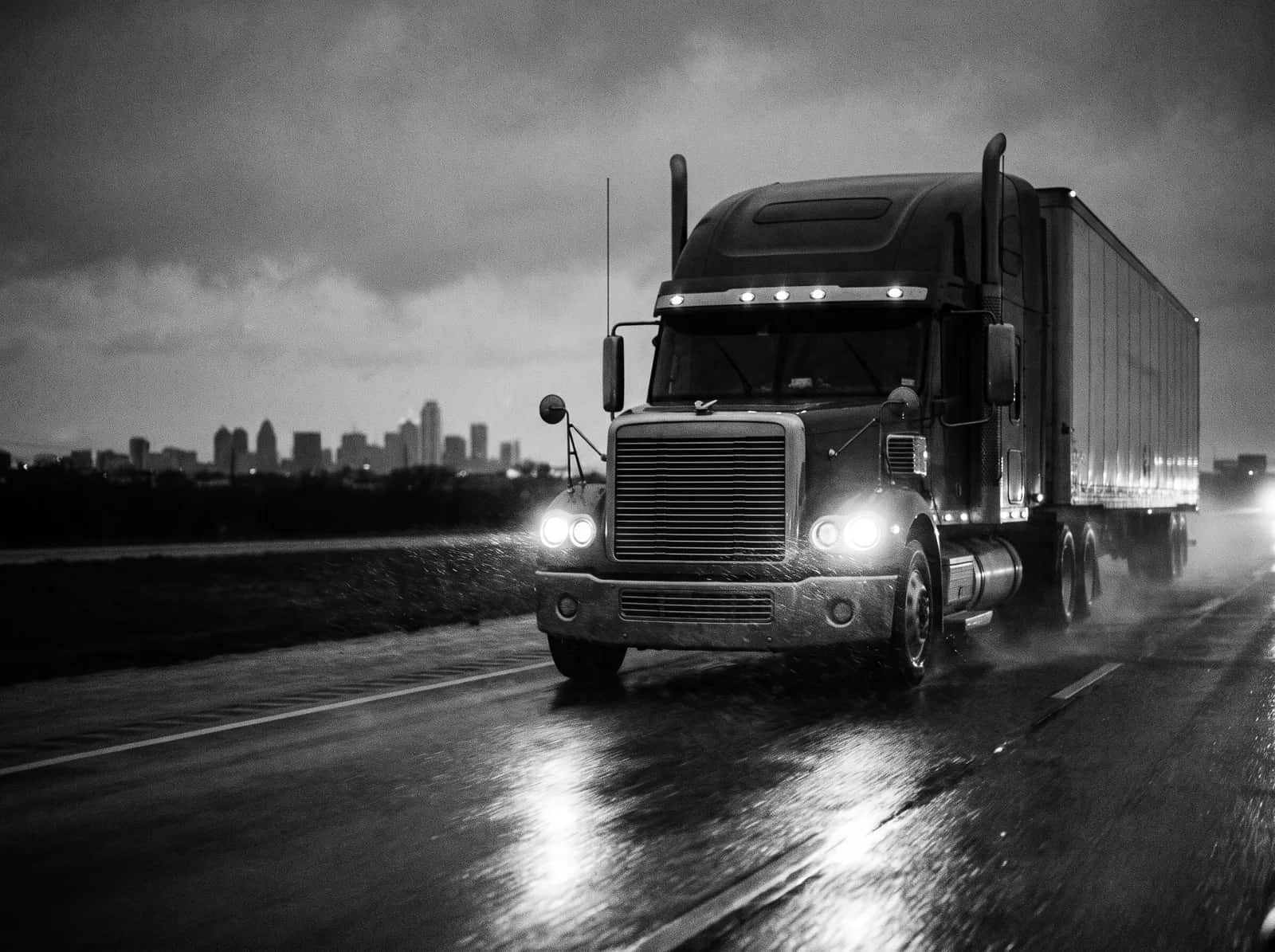

In Texas, a truck crash caused by brake failure, broken lights, steering problems, or worn parts is usually a maintenance failure, and federal rules require carriers to systematically inspect, repair, and maintain their trucks and trailers. The carrier, a maintenance shop, or a parts maker can be responsible. Owsley Law Firm obtains the maintenance records and the truck itself and charges no fee unless it wins.
What maintenance failures cause truck crashes?
Heavy trucks wear out parts quickly, and the consequences of skipping maintenance are severe.
- Brakes out of adjustment or worn past limits
- Air brake leaks and failed brake chambers
- Broken or dirty lights and missing reflective tape
- Worn steering components
- Bad tires and wheel-end failures
- Failed coupling devices between tractor and trailer

What do federal rules require for inspection and maintenance?
Under 49 CFR Part 396, motor carriers must systematically inspect, repair, and maintain their vehicles and keep records of it. Drivers must be satisfied a vehicle is in safe operating condition before driving and must prepare reports identifying defects, which the carrier must repair. Commercial vehicles must also pass a periodic inspection at least once a year. Part 393 sets equipment standards for brakes, lights, and other parts.
Who is responsible for a maintenance failure?
The carrier has the primary duty to keep its trucks safe. A third-party maintenance shop that did faulty work, a leasing company that supplied a poorly maintained trailer, and a manufacturer whose part was defective can each share responsibility. Texas allocates fault among them under Chapter 33 of the Civil Practice and Remedies Code, and product claims against manufacturers are governed by Chapter 82.
What records prove a maintenance failure?
Maintenance and repair records, driver vehicle inspection reports, annual inspection reports, parts invoices, and roadside inspection history show whether a known defect was ignored. Roadside inspection results are also reported in federal safety data that can reveal patterns across a carrier's fleet.
Why must the truck be preserved?
The truck and trailer are physical evidence. Brake adjustment, worn parts, and failed components can be measured and photographed only if the vehicle is kept in its post-crash condition. Carriers repair or salvage trucks quickly, so a preservation demand asking that the vehicle not be repaired or destroyed should go out immediately.
When can a maintenance failure support exemplary damages?
A company that knew a truck had a dangerous defect and sent it out anyway may have acted with gross negligence. Chapter 41 of the Civil Practice and Remedies Code allows exemplary damages when gross negligence is proven by clear and convincing evidence.
How common are truck equipment violations?
Federal and state officers conduct roadside inspections of commercial vehicles, and vehicles found with serious defects can be placed out of service. Inspection results for each carrier are compiled in federal safety data that the public can review. A carrier with a history of brake or light violations has a harder time arguing that a failure was unforeseeable.
The firm reviews a carrier's inspection history alongside the specific truck's records to see whether a crash fits a pattern.
What injuries do brake and equipment failures cause?
Brake failures often cause rear-end crashes at speed, where a truck cannot stop for slowing traffic. Those crashes push passenger cars into other vehicles and cause multi-vehicle injuries. Broken lights cause nighttime underride and rear-end crashes. Steering and coupling failures can send a truck or trailer into oncoming lanes. The injuries range from whiplash and back injuries to brain injuries and death.
What role does the driver's inspection play?
Federal rules place inspection duties on drivers as well as carriers. Before driving, a driver must be satisfied the vehicle is in safe operating condition, and drivers must report defects they find. When a driver reported a defect and the company failed to fix it, the company's responsibility is clear. When the driver skipped inspections or failed to report an obvious problem, the driver shares in the failure, and the company is generally responsible for that too.
Driver inspection reports, therefore, are among the most important documents in a maintenance case. They show what the people closest to the truck knew and when they knew it.
What about trailers the carrier does not own?
Tractors often pull trailers owned by shippers, leasing companies, or other carriers. The carrier pulling the trailer is still responsible for inspecting it before the trip, and the trailer owner may be responsible for maintaining it. Interchange agreements between those companies define who was supposed to inspect and repair what, and they are requested when a trailer component failed.
Brakes, lights, tires, and coupling equipment on the trailer are inspected separately from the tractor. A failure on equipment that both companies assumed the other was handling is a common source of preventable crashes.
How long do I have to file?
Most claims must be filed within two years under section 16.003. Product claims have additional time limits, so possible defects should be reviewed early.
Common questions
What clients ask about brake and maintenance failures.
How do you prove the brakes failed?
Through an inspection of the truck, its maintenance records, roadside inspection history, and engine data showing braking before the crash.
Can a repair shop be liable?
Yes, if its work was faulty and contributed to the crash.
What if the trucking company already fixed the truck?
Repairing a truck after notice of a claim can have consequences in court. The firm demands preservation as early as possible.
Are truck safety inspection records public?
Some roadside inspection and safety data is published by federal regulators and can reveal a carrier's history.
What if the truck passed its annual inspection?
Passing an annual inspection does not excuse failures that develop between inspections. Daily inspection duties and ongoing maintenance still apply.
What does the firm charge?
No fee unless it wins.