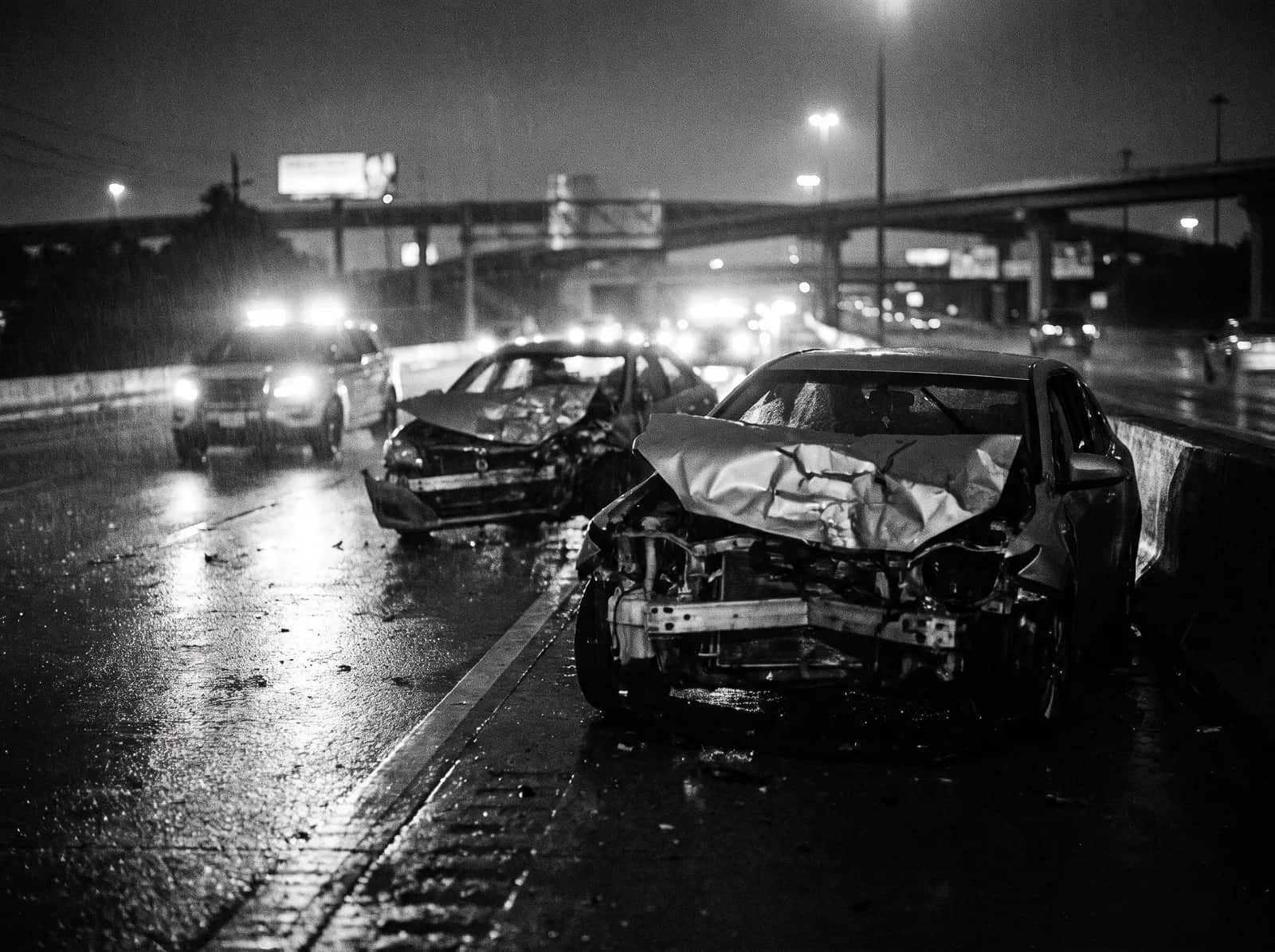

Often, yes. Dash cam video can settle the fault question in seconds, show the speed and lane positions, and capture the other driver's conduct. Save the file right away, because most dash cams record over old footage, and keep the original as it is.
Fault disputes are where video helps most. Rear-end crashes, lane changes, red lights, and wrong-way drivers produce conflicting stories, and police officers usually arrive after the crash and did not see it. A clear recording often ends the argument before it starts and speeds up the claim.
Preserve it the same day. Many dash cams loop and overwrite older files, so download the clip, keep the memory card, and do not edit, trim, or add music or captions. Keep the original file with its date and time stamps, and make copies for yourself and your lawyer.
Video is evidence for both sides. If your own footage shows you speeding or looking at your phone, it will matter too, and once a claim is reasonably likely you have a duty to keep relevant evidence. The Texas Supreme Court explained in Brookshire Brothers v. Aldridge (2014) that a party who fails to preserve evidence it should have kept can face remedies in court. Never delete a recording after a crash.
Audio has its own rules. Texas is a one-party consent state under Penal Code section 16.02, which means a person who is part of a conversation may record it. Recording a conversation you are not part of is different. Most dash cams capture cabin audio, so be thoughtful about what is said in the car after a crash.
Other video may exist even if you had no camera: nearby businesses, traffic cameras, rideshare and fleet dash cams, and doorbell cameras. That footage is often deleted within days. Owsley Law Firm sends preservation requests quickly and charges no fee unless it wins.
What to do, step by step
- Save the clip the same day and remove or lock the memory card.
- Keep the original file unedited, with its date and time stamp.
- Make copies and give one to your lawyer.
- List other cameras nearby so preservation requests can go out quickly.

Video can also show the moments after a crash: how the other driver behaved, what was said, and whether anyone was on a phone. That context can matter for credibility.
Insurers may ask for your video. Talk to your lawyer before sharing it, so it is provided in a way that preserves the original and its metadata.
Commercial fleets, delivery vans, and rideshare drivers often have their own cameras. Those recordings belong to the company and may be overwritten unless a preservation request goes out fast.
Mistakes that cost people money
- Posting the video on social media before the claim is resolved.
- Trimming or editing the clip.
- Waiting for the insurer to ask before saving it.
Related questions
Can a dash cam video hurt my claim?
It can if it shows something unfavorable, which is why it should be reviewed with a lawyer. Deleting it is never the answer.
Is it legal to have a dash cam in Texas?
Recording what happens on a public road is generally lawful. Audio recording follows Texas one-party consent rules, and the camera should be mounted so it does not block your view.
How long do businesses keep video?
It varies, and many systems overwrite in days or weeks. Ask early.
Read next