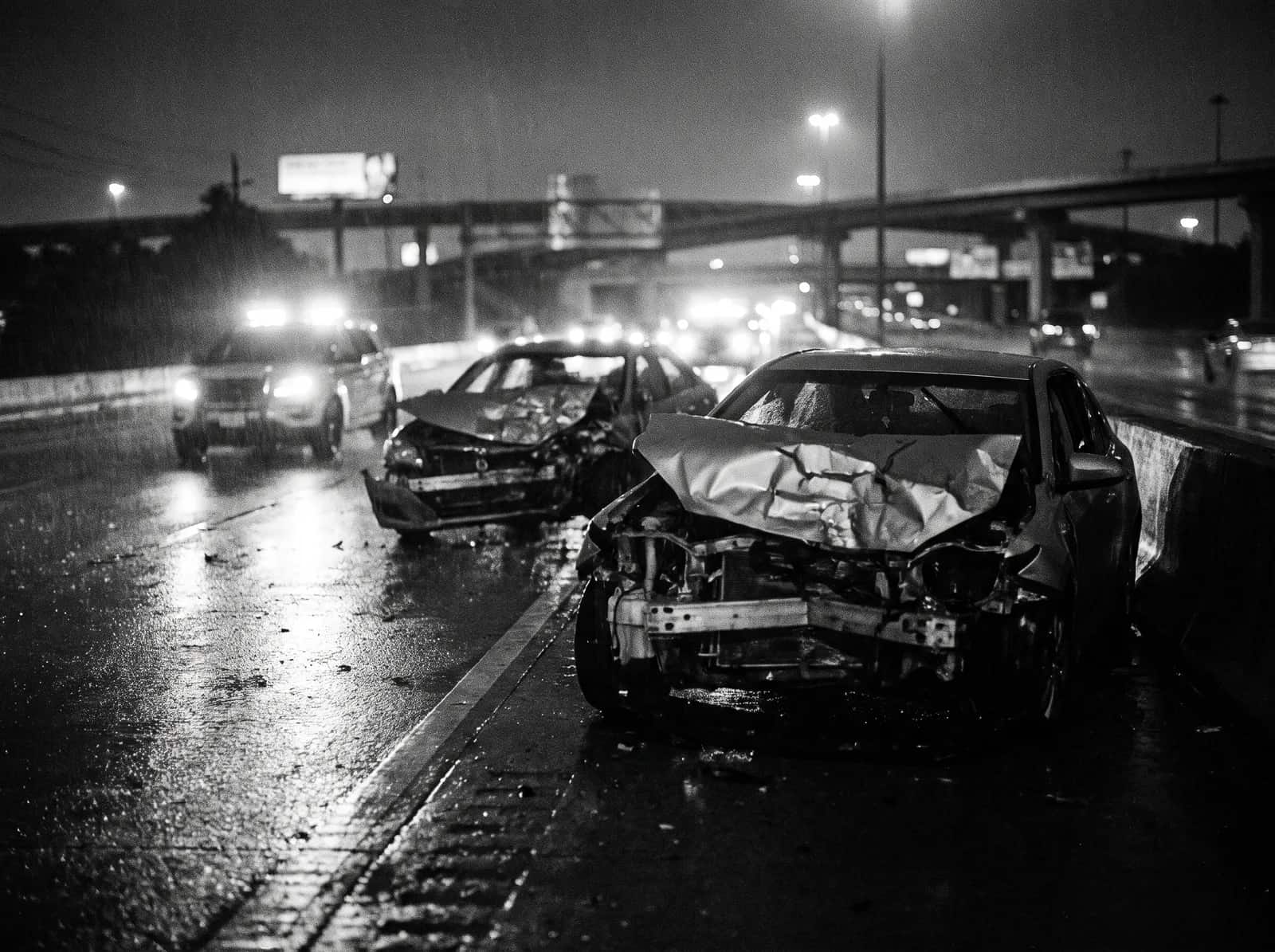

In Texas, a driver who was texting or otherwise distracted is negligent, and the phone records that prove it can be obtained through a lawsuit. Owsley Law Firm sends preservation demands for those records quickly and charges no fee unless it wins. Do not accept an early offer before the records are in hand.
Is texting while driving illegal in Texas?
Yes. Texas Transportation Code section 545.4251 makes it illegal to read, write, or send an electronic message while operating a vehicle unless the vehicle is stopped. The statute also preempts local ordinances on texting while driving, so the state rule applies the same way in Houston, Dallas, and every other Texas city. Texas law goes further in some settings: section 545.425 bars hand-held phone use in an active school crossing zone, and section 545.424 bars drivers under 18 from using a wireless communication device at all while driving, except in an emergency.
A violation is evidence of negligence in your civil case. But most distracted drivers are never cited, because the officer arrives after the crash and did not see the phone. The absence of a ticket does not mean the absence of a claim.
What counts as distracted driving?
Phones are the most common cause, but distraction is anything that takes a driver’s eyes off the road, hands off the wheel, or mind off driving.
Distraction is often hidden. A driver can look straight ahead while mentally on a phone call, and hands-free calls still divide attention. That is why the investigation looks at what the driver was doing in the seconds before the crash, not only whether a phone was in their hand. Rideshare and delivery drivers who manage apps while driving are a particular concern, and their app activity is recorded by the company.
- Texting, emailing, or using social media
- Watching or recording video, or adjusting navigation
- Eating, drinking, or reaching for objects in the car
- Attending to passengers or pets
- Using in-dash screens and infotainment controls
How do you prove the other driver was on their phone?
Distraction cases are built from records, not admissions. A driver who was texting rarely says so, and an adjuster will not volunteer it.
Detailed phone records are not kept forever, and video from nearby businesses is often overwritten within days or weeks. Vehicles are repaired, and their event data can be lost. The firm sends preservation letters to the driver, their insurer, and, when appropriate, their employer so the evidence is still there when it is subpoenaed. An early, low settlement offer is often made before any of this is gathered; accepting it ends the claim.
- Cell carrier records obtained by subpoena once suit is filed, matched to the second of impact
- The vehicle’s event data recorder, which can show no braking before the collision
- Dash camera, business, and traffic camera video
- Witness accounts of the driver looking down or drifting
- App and social media activity timestamps
What if the driver was working when they crashed?
Delivery drivers, sales representatives, and service technicians often use phones for dispatch and navigation. When a driver was acting within the scope of their job, their employer is generally responsible for the crash as well, and employer policies are usually much larger than personal ones. Company cell phone policies, dispatch logs, and app records become part of the case.
Can the insurer blame me for part of a distracted driving crash?
It will try. Texas proportionate responsibility rules under Chapter 33 of the Civil Practice and Remedies Code reduce your recovery by your percentage of fault and bar it if you are more than 50 percent responsible. Insurers for distracted drivers often argue the injured person could have avoided the collision. Event data, reconstruction, and video answer that argument with physics rather than opinion.
The insurer may also ask for your own phone records to suggest you were distracted. If you were not using your phone, those records help you. Either way, it is worth knowing what your records show before the insurer asks.
What should I do after a crash with a distracted driver?
Tell the responding officer if you saw the other driver looking down, holding a phone, or drifting before the crash, and make sure that observation is in the report. Ask witnesses what they saw and get their contact information, since bystanders often notice a phone in a driver’s hand. Photograph the other vehicle’s interior if you can see a phone mount, a phone on the seat, or food and drinks. Get medical care the same day, keep every record, and avoid talking about fault with the other driver’s insurer.
What injuries do distracted driving crashes cause?
Because a distracted driver often never brakes, these crashes tend to happen at full speed. Rear-end collisions with stopped traffic, drift-over crashes into oncoming lanes, and failures to stop at signals are common. Injuries range from whiplash and herniated discs to fractures, concussions, and traumatic brain injuries. The absence of braking also matters for your claim: event data that shows no braking before impact is itself evidence that the driver was not paying attention.
Your damages can include medical expenses, lost wages and earning capacity, pain, mental anguish, and physical impairment. When a driver’s distraction was extreme, such as watching video while driving, the facts may also support a claim for exemplary damages under Chapter 41.
How long do I have to file a claim?
The general deadline to file suit is two years from the crash under Civil Practice and Remedies Code section 16.003. Because the evidence that proves distraction disappears much sooner, the practical deadline to act is far shorter.
Common questions
What clients ask about distracted driving accidents.
How do you prove the other driver was texting?
Through carrier records obtained by subpoena once suit is filed, matched to the time of the crash, along with the vehicle’s event data recorder, video, and witnesses. Early preservation demands keep those records from being destroyed.
Is texting while driving illegal in Texas?
Yes. Transportation Code section 545.4251 prohibits electronic messaging while driving statewide, and other sections restrict phone use in school zones and by drivers under 18.
What if the driver denies using the phone?
Denials are common. The records decide it. If the carrier data shows activity at the moment of impact, the denial becomes evidence against the driver.
The driver was not ticketed. Do I still have a case?
Yes. Most distracted drivers are never cited because no officer saw the phone. Fault in your civil case is proven with records and testimony.
Can I sue the driver’s employer?
Often, if the driver was working at the time of the crash. Employers are generally responsible for crashes caused by employees acting within the scope of their job.