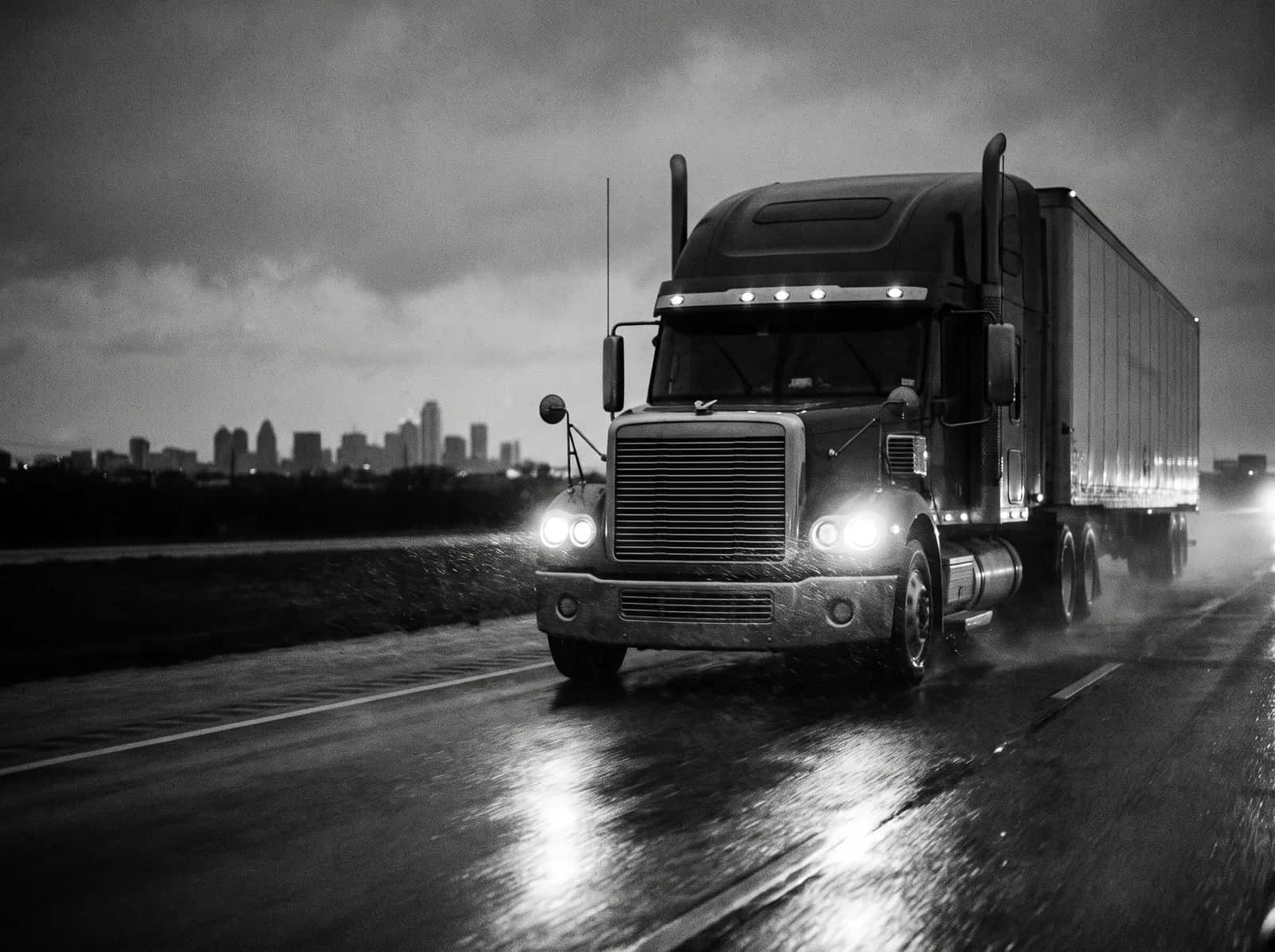

In Dallas, a person hurt in a truck accident caused by someone else can recover medical costs, lost income, and pain under Texas law. Owsley Law Firm handles Dallas truck accidents from its Houston offices, comes to you, and charges no fee unless it wins. Call before you speak with any insurer.
Truck Accidents in Dallas
Where do Dallas truck accidents happen?
I-35E, I-20, and I-45 make Dallas a freight hub between Mexico, Houston, and the Midwest, and I-635 carries the region’s distribution-center traffic. Carriers based in Dallas defend these cases aggressively.
Dallas is the freight crossroads of North Texas. I-35E carries Mexico-to-Midwest trucks through the city, I-20 and I-30 carry east-west freight, and I-635 serves the distribution centers along the LBJ corridor and in Garland and Mesquite. The firm’s Dallas truck cases most often involve a tractor-trailer rear-ending stopped traffic on I-30 or I-635, or a box truck sideswiping a car in an LBJ lane change. Many Dallas-based carriers self-insure or carry large deductibles, which changes how the claim is negotiated.
Corridors where Dallas truck accidents cluster
- The High Five interchange at US-75 and I-635
- The Mixmaster at I-30 and I-35E downtown
- I-635 LBJ Freeway between the Dallas North Tollway and US-75
- I-30 East through Mesquite and Garland
- Loop 12 and Northwest Highway at Harry Hines
- I-20 at I-45 and US-175 in southern Dallas County
Cases from Dallas
What does a Dallas truck accident case look like?
A box truck on I-30 in Mesquite rear-ends stopped traffic; three cars are damaged and the driver in the middle car has a neck injury no adjuster believes until the MRI.
What to do now
What should you do after a truck accident in Dallas?
- Get examined the same day. Parkland Memorial Hospital (Level I trauma) and Baylor University Medical Center (Level I trauma) handle the serious truck accident injuries from Dallas; an urgent care visit the same day is enough to start the record if you are not transported.
- Photograph the vehicles, the road, and your injuries where it happened, especially on I-35E (Stemmons Freeway) and I-30, where scenes are cleared within minutes.
- Get the Dallas crash report. Dallas Police Department reports are available through the TxDOT Crash Report Online Purchase System, usually within 10 days. The firm obtains it for clients at no charge.
- Report the crash to your own insurer, but give no recorded statement to the other driver’s carrier or the trucking company’s investigator until you have counsel.
- Know where the case goes. Dallas truck accidents suits are filed in the Dallas County Civil District Courts, George L. Allen Sr. Courts Building, or Dallas County Courts at Law depending on the crash location.
- Call the firm. Dallas clients are handled from Houston by phone, video, and mail, and the firm travels to Dallas for meetings, depositions, and court. The consultation is free.
Go deeper
More on truck accident claims in Dallas and Texas.
Common questions
Dallas truck accident questions
Which Dallas roads have the most truck accidents?
I-35E, I-20, I-30, and I-635, with the I-20 and I-45 interchange in southern Dallas County and the LBJ corridor leading the count.
What if the trucking company is based out of state?
The claim is still filed in Dallas County, where the crash occurred. The carrier’s federal registration identifies its insurer, and the firm serves the carrier through its registered agent.
What if the truck was leaving a southern Dallas County distribution center on I-20 or I-45?
Several companies may share responsibility. The carrier is responsible for its driver, but the warehouse or shipper that loaded the trailer can be liable for an overweight or badly secured load. A freight broker that hired an unsafe carrier may also be involved. The bill of lading and load records identify each company, and they should be requested early.
Who pays if a rented box truck hit me in Dallas?
Usually not the rental company. A federal law known as the Graves Amendment generally shields rental and leasing companies from liability just for owning the truck. The claim goes against the driver and, if the driver was working, the business that employed them. The rental agreement identifies who rented the truck and what insurance was purchased with it.